
Find out how long international bank transfers take, factors that affect timing, and tips to speed up your global payments.
How Long Does an International Bank Transfer Take? Complete Guide 2025
Have you ever found yourself contemplating the status of an international bank transfer and wondering when exactly the funds will make their appearance? If so, rest assured that you are not alone. I, too, have experienced the anxiety of waiting for funds to reach family overseas or observing business payments sluggishly traverse the intricate network of global banking systems.
As we all know, the duration of international transfers can vary due to a multitude of factors. Some transfers whiz across borders in mere minutes, while others take upwards of a week. Let me explain everything so there are no more questions about international transfers ever again.
Overview of the Timeframes for International Bank Transfers
Knowing how long it will take for your money to travel across borders is not just a test of patience – what is at stake here is strategic planning. Whether you are paying for services rendered overseas, supporting family abroad, or engaging in business transactions, having this information saves both stress and financial resources.
Master Comparison: International Transfer Methods and Processing Times
| Transfer Method | Processing Time | Typical Cost | Best For | Reliability Score |
|---|---|---|---|---|
| Traditional Wire Transfer | 3-5 Business Days | $15-50 | Large amounts | 9/10 |
| SWIFT Network Transfer | 1-5 Business Days | $25-45 | Bank-to-Bank | 9/10 |
| Online Money Transfer | Minutes to 24 Hours | $0-15 | Speed and Convenience | 8/10 |
| Digital Wallets | Minutes to 2 hours | $1-10 | Small Amounts | 7/10 |
| Cryptocurrency | 10 minutes to 1 hour | $1-25 | Tech Savvy Users | 6/10 |
| Credit Card Money Transfer | 1-3 Business Days | $5-20 | Urgent transfers | 8/10 |
Technological advancements have significantly changed the landscape of global money transfers. Competing with long-standing traditional transfer methods, new fintech innovations now offer same-day international transfers in a matter of seconds.
Fundamentals of International Bank Transfer
Each time you send money abroad, you do not simply send cash from point A to point B. Rather, it involves traveling through numerous banking systems, legal frameworks, and currency exchange environments.
Traditional international bank transfers operate through a network of correspondent banks within a system now known as relay banking. This is similar to a relay race – your funds sprint through various hands until they reach their finish line. Your local bank starts the process of transferring the funds. The transfer must stop first, however, at the local bank’s correspondent branch. That transfer will be escorted to a different branch, which is referred to as the receiving bank. Each stop along the way incurs additional delays.
This process was revolutionized by the SWIFT network, which led to automation with the introduction of its global messaging system. However, SWIFT does not aid in moving funds – all it does is securely send messages between banks. Fund transfers still occur via traditional banking routes. This provides an explanation for why SWIFT transfer time takes as long as several days.
Modern alternatives like Fairex pay money transfer services have emerged to compete with traditional banking systems. These services tend to bypass multiple correspondent banks during routing, thus providing better and faster service.
How Long Do International Bank Transfers Take?
It’s the million-dollar question, and depending on the circumstances, it can cost you significantly. International bank transfer duration fluctuates depending on different factors, so here’s what you can expect:
Conventional wire transfers still take a standard 3-5 business days. This timeframe has remained frustratingly consistent despite technological advances. The reason? Banks still rely on outdated batch processing systems that group transaction batches for efficiency instead of speed.
SWIFT international transfers have a timeframe of 1-5 business days based on the destination country and currency pair. More popular corridors like USD to EUR tend to process faster than transfers involving emerging market currencies.
However, the game is changing rapidly. The fastest international transfer methods available now include:
- Real-time payment systems that process transfers in minutes
- Same-day processing services for urgent transactions
- Digital wallet transfers that complete instantly between supported countries
- Cryptocurrency-based transfers that complete in under an hour
I’ve personally used services that completed transfers from the US to Europe in under 30 minutes – something that would have been impossible through traditional banking just a few years ago.
Factors Affecting International Bank Transfer Speed
Understanding factors affecting transfer time helps you choose the right method and set realistic expectations. Let me walk you through the key variables that determine how quickly your money moves.
Geographic considerations crucially determine transfer speed. Transactions between developed countries with robust banking infrastructure are significantly faster than those involving developing countries. For instance, a transfer from the US to the UK is usually completed within 1-2 days. In comparison, payments to certain South American or African countries take about 5-7 days.
Banking relationships significantly impact processing time. Banks with direct correspondent partnerships can process transfers faster than those requiring multiple intermediary banks. This is why some banks advertise faster transfer times to specific countries.
Transfer amounts trigger different processing protocols. Small transfers move through automated systems quickly, while larger transactions attract higher scrutiny, leading to processing delays. Amounts exceeding $10,000 typically require enhanced due diligence, adding an extra 1-2 days for processing time.
Currency complexity affects speed, too. Major currency pairs (USD/EUR, USD/GBP, EUR/GBP) process faster than exotic currency combinations. Therefore, expect your transfer from US dollars to Thai Baht to involve more processing time compared to exchanging US dollars to Euros.
Compliance requirements create the biggest bottlenecks. Every international transfer must be cleared:
- Anti-Money Laundering (AML) checks
- Know Your Customer (KYC) verification
- Sanctions screening
- Tax reporting requirements
These are not optional – they are legal requirements that banks must fulfill, no matter how inconvenient the delays are.
Why International Transfers Are Slow
You may ask yourself why international transfers are slow when we can send emails instantly worldwide. The difference lies in the fundamental distinctions between information transfer and money transfer.
Regulatory compliance creates the biggest delays. Unlike sending a message, moving money across borders involves dealing with several government agencies, regulatory authorities, and compliance infrastructure. Each transfer goes through sanction checks, suspicious transaction pattern analysis, and anti-terrorism database verification.
Legacy banking systems slow progress significantly. Speed was never a design priority for most banks. They still operate on batch processing systems that group transactions and only process them once or twice during the day. While this model works well for large volumes, it introduces inherent delays.
Multiple intermediary banks slow the process even further. When your bank doesn’t have a direct relationship with the recipient’s bank, your money has to jump through several intermediary institutions. Each stop adds processing time, fees, and potential delays.
Risk management processes require manual review of certain transactions. Automated flagging systems often require human verification, which could take hours or even days to complete.
However, this landscape is changing rapidly. New technologies and regulatory frameworks are gradually eroding these conventional barriers to speed.
Bank Transfer Time by Country
Bank transfer time by country varies significantly based on local banking infrastructure, regulatory requirements, and international partnerships. Here’s what I’ve observed across different regions:
North America to Europe typically takes 1-3 business days for major currencies. The US-UK corridor is particularly fast due to strong banking relationships and regulatory alignment.
US to Asia transfers usually require 2-4 business days. Economically advanced countries like Japan and Singapore process faster than emerging Asian markets due to their developed banking infrastructure.
Europe to Asia generally takes 2-4 business days, with faster processing to developed markets like Hong Kong and slower processing to emerging economies.
Transfers to Latin America range from 3-6 business days, depending on the specific country and local banking capabilities.
Intra-European transfers are often the quickest, taking only 1-2 business days, thanks to the SEPA (Single Euro Payments Area) framework that streamlines euro transfers within Europe.
Case Study: My Experience with Different Corridors
Last year, I sent money to three distinct continents within the same week:
- US to UK: Arrived within 24 hours via online transfer service
- US to India: Traditional wire transfer took 3 business days
- US to Nigeria: Required 6 business days due to additional compliance checks
This experience perfectly illustrates how the destination country significantly impacts transfer speed.
Fastest International Transfer Methods
If speed is your priority, several fastest international transfer methods can dramatically reduce waiting times:
Digital money transfer services like Wise, Remitly, and Fairexpay money transfer offer some of the quickest options. These platforms process transfers within minutes to hours instead of days. They achieve this speed by:
- Maintaining local accounts in multiple countries
- Using advanced routing algorithms
- Bypassing traditional correspondent banking chains
- Offering real-time exchange rates
Credit card money transfer services provide another fast option, typically completing within 1-3 business days. Although fees are higher, the speed advantage can be worth it for urgent transfers.
Digital wallets like PayPal, Skrill, and Revolut offer near-instant transfers between supported countries. However, availability varies by region, and transfer limits may apply.
Cryptocurrency transfers can be completed in 10 minutes to 1 hour, depending on the blockchain used. While not mainstream yet, crypto transfers offer unprecedented speed for tech-savvy users comfortable with digital assets.
Same-day international transfers are increasingly available from major banks for premium customers or urgent transfers. These services typically cost $50-100 extra but guarantee arrival within hours.
How to Speed Up Your International Transfer
Want to speed up international transfer processing? Here are proven strategies I’ve used successfully:
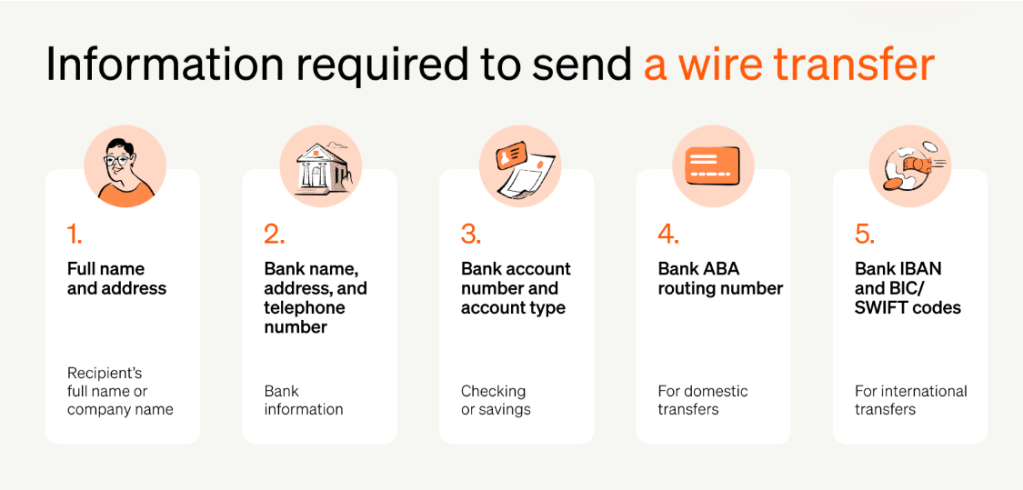
Prepare documentation beforehand. Gather all required information before initiating the transfer:
- Complete recipient details (full name, address, bank information)
- Purpose of transfer documentation
- Your identification documents
- Proof of income source for large amounts
Choose optimal timing. Initiate transfers early in the business day and avoid Fridays or days before holidays. Money sent on Friday might not be processed until the following Monday.
Use established banking relationships. Banks often prioritize transfers for premium customers or those with significant account balances. If you have a good relationship with your bank, mention any urgency when requesting the transfer.
Consider express services. Most banks offer expedited transfer options for additional fees. While expensive, these services can reduce processing time from days to hours.
Verify recipient information accuracy. Incorrect details cause delays and additional fees. Double-check all information before submitting the transfer.
Choose the right transfer method. For urgent transfers, online services often outperform traditional banks. For large amounts, wire transfers might be more reliable despite slower processing.
Tracking and Managing Transfer Delays
Knowing how to track international transfers helps manage expectations and identify potential issues early. Most banks provide tracking numbers or reference codes that allow you to monitor transfer progress.
Common delay causes include:
- Incomplete documentation
- Compliance hold-ups for additional verification
- Intermediary bank processing queues
- Currency conversion delays
- Recipient bank internal processing
Delays in cross-border payments often stem from regulatory requirements rather than technical issues. If your transfer is delayed, contact your bank for specific reasons and estimated resolution times.
Weekend and holiday impacts significantly affect transfer times. International transfers initiated on Fridays might not complete until the following Tuesday, especially if Monday is a holiday in either country.
Cost vs Speed Analysis
Balancing cost and speed requires understanding the trade-offs involved. Traditional wire transfers offer reliability and global reach but sacrifice speed and cost-effectiveness. Online transfer services provide better speed and lower costs, but might have transfer limits or limited destination coverage.
Here’s my rule of thumb:
- For amounts under $1,000: Use online transfer services for the best speed and cost combination
- For amounts $1,000-$10,000: Compare online services with expedited bank transfers
- For amounts over $10,000: Consider traditional wire transfers for maximum security and reliability
Future of International Transfer Speed
The international transfer landscape continues evolving rapidly. Central bank digital currencies (CBDCs) promise to revolutionize cross-border payments by enabling direct bank-to-bank transfers without intermediaries.
Blockchain technology integration is creating new possibilities for instant, low-cost international transfers. Although still in early phases, these technologies could make today’s 3-5 day transfer times seem archaic within the next decade.
Real-time gross settlement systems are expanding globally, enabling instant transfers between participating countries. As more countries join these networks, international transfer speeds will continue improving.
Conclusion:
Remember: While speed is important, always prioritize security and reliability when sending money internationally. Choose reputable services with proper regulatory licensing and customer protection measures.
Frequently Asked Questions
How long do international bank transfers usually take?
International bank transfer duration typically ranges from 1-5 business days for most transfers. Traditional wire transfers usually take 3-5 business days, while modern online services can process transfers in minutes to 24 hours. The exact timeframe depends on factors like destination country, transfer amount, and chosen method.
What factors affect the transfer time?
Several factors affecting transfer time include:
- Destination country and local banking infrastructure
- Transfer amount (larger amounts require additional verification)
- Currency pair complexity
- Banking relationships between institutions
- Compliance requirements and regulatory checks
- Transfer method chosen (traditional vs digital)
- Time of initiation (business days vs weekends/holidays)
Why do some international transfers get delayed?
Delays in cross-border payments typically result from
- Regulatory compliance checks (AML, KYC, sanctions screening)
- Incomplete or incorrect recipient information
- Additional documentation requirements
- Intermediary bank processing queues
- Currency conversion complexities
- Risk management reviews for suspicious transactions
- Weekend and holiday processing limitations
Can I speed up an international transfer?
Yes, you can speed up international transfer processing by:
- Choosing faster transfer methods (online services vs traditional banks)
- Using express or same-day services (for additional fees)
- Ensuring accurate recipient information before sending
- Preparing all required documentation beforehand
- Initiating transfers early in business days
- Maintaining good banking relationships for priority processing
- Considering digital wallet or cryptocurrency alternatives
Which methods offer the fastest international transfers?
The fastest international transfer methods include:
- Digital money transfer services (minutes to hours)
- Same-day international transfers from major banks
- Digital wallet transfers between supported countries
- Cryptocurrency transfers (10 minutes to 1 hour)
- Credit card money transfer services (1-3 business days)
- Real-time payment systems were available
How can I track my international transfer?
Most banks and transfer services provide tracking capabilities through:
- Reference numbers or tracking codes
- Online banking portals with transfer status updates
- Mobile apps with real-time notifications
- Email updates throughout the transfer process
- Customer service for detailed status inquiries
Are same-day international transfers possible?
Yes, same-day international transfers are increasingly available through:
- Premium banking services for established customers
- Digital transfer platforms with local account networks
- Express wire transfer services (for additional fees)
- Digital wallets supported countries
- Cryptocurrency platforms for tech-savvy users
The key is choosing the right service for your specific needs and being willing to pay premium fees for guaranteed speed.
 Site Title
Leave a comment