In the past 10-12 years, I have been observing the global currency market, and $7.5 trillion flows through these markets every day. While this number is mind-boggling, it’s even crazier that it surpasses the GDP of some countries. Coming back to currencies, however, I realized that most of my acquaintances know currency exchange only in the context of those booths located at airports that offer preposterous rates for cash required when going on holidays.
Forex markets are becoming increasingly accessible, even for those who don’t consider themselves to be Wall Street traders. Whether you’re sending money to your family members abroad or planning a Euro trip, understanding online currency trading can help you save thousands.
With years spent diving into the forex processes, I’ve created comprehensive guides on how to maximize your benefits when trading and made everything as intuitive and effortless as possible, starting from the definitions all the way to advanced trading strategies.
Currency Exchange Principles: What You Need to Know
Understanding the Currency Exchange Definition
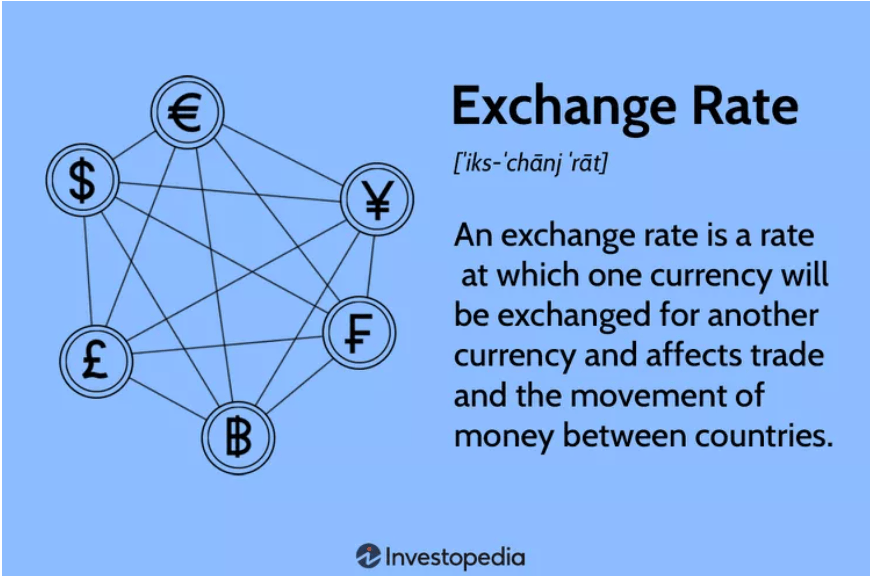
The act of converting one country’s currency into another country’s money at a specific rate is what we call currency exchange. The quote may seem simplistic, but lies beneath a deep and complex structure that helps determine whether you’ll end up paying a certain amount for a Euro or if the price will lean slightly above your expectations.
My first trip to Japan was rather eye-opening. For convenience, I exchanged dollars at the airport and ended up losing 15% due to their abysmal exchange rates. I now understand the location’s crucial role in exchange rate calculation.
The foreign currency trading market operates 24/7. London, New York, Tokyo, and Sydney are the key trading hubs. Unlike stock exchanges with opening bells, currency markets never sleep because banks are always trading somewhere in the world.
How Forex Works: The Engine Behind Currency Exchange
Currency pairs are crucial for understanding how forex works. You can’t just buy Euros – you’re trading EUR/USD, exchanging dollars for Euros at a set rate.
Here are the major currency pairs that dominate global trading:
- EUR/USD (Euro/US Dollar) – 28% of all trades
- USD/JPY (US Dollar/Japanese Yen) – 13% of trades
- GBP/USD (British Pound/US Dollar) – 11% of trades
- USD/CHF (US Dollar/Swiss Franc) – 6% of trades
The first currency (EUR in EUR/USD) is the base currency, while the second (USD) is the quote currency. If the EUR/USD pair shows 1.0850, you’ll pay $1.085 for one Euro.
Interbank exchange rates serve as the foundation for all currency pricing. These are the rates that major financial institutions offer each other – essentially wholesale prices before markups reach consumers. When you see “real-time rates” on Google and other financial websites, they’re usually displaying these interbank rates.
What Causes Changes to Exchange Rates
There are several key factors that determine exchange rate fluctuations, based on my observations:
Economic Indicators:
- GDP growth rates
- Inflation statistics
- Employment statistics
- Interest rate decisions
Political Stability:
- Election results
- Policy changes
- Geopolitical tensions
- Trade agreements
Market Sentiment:
- Investor confidence
- Risk appetite
- Speculation and trading volume
Central banks wield enormous influence through interest rate decisions and market interventions. When the Federal Reserve raises rates, it typically strengthens the dollar as investors seek higher yields.
Your Currency Exchange Options: Finding the Best Place to Exchange Currency
Traditional Banks vs Modern Alternatives
Based on your requirements, finding the best place to exchange currency may differ, but I’ve thoroughly tested most methods available.
| Exchange Method | Typical Markup | Speed | Best For | Hidden Fees |
|---|---|---|---|---|
| Airport Kiosks | 8-15% | Instant | Emergencies only | None visible |
| Local Banks | 3-7% | 1-2 days | Large amounts | Wire transfer fees |
| Online Platforms | 0.5-2% | Same day | Regular transfers | Minimal |
| ATMs Abroad | 2-5% | Instant | Travel cash | Foreign transaction fees |
| Specialty Services | 1-3% | Hours | Business needs | Delivery charges |
Traditional banks provide security and familiarity, but their currency exchange fees often involve several hidden markups. For example, when I needed €5,000 for a property deposit, my local bank’s quote was $200 more than online alternatives.
Online vs Offline Currency Exchange: The Modern Reality
The online vs offline currency exchange debate isn’t even close anymore. Digital platforms consistently offer better rates, faster service, and transparent pricing.
Online advantages:
- Real-time rate comparisons – Review all options instantly
- Lower overhead costs – Savings passed to customers
- 24/7 availability – Exchange currency anytime
- Digital receipts – Perfect transaction records
- Rate alerts – Notifications when rates improve
Offline benefits:
- Face-to-face service – Personal interaction for complex needs
- Cash pickup – Physical currency collection
- Local presence – Branch visits for large transactions
- Established trust – Decades of banking relationships
However, I’ve found that even traditionally offline services now offer their best rates through digital channels. Banks save money on digital transactions and share those savings through better exchange rates.
Money Transfer Services: Your Gateway to Better Rates
Modern transfer money online services have revolutionized international payments. Companies like Wise, Remitly, and Western Union compete aggressively on both speed and pricing.
Key considerations when choosing transfer services:
- Exchange rate markup – How much above interbank rates?
- Transfer fees – Fixed charges per transaction
- Speed options – Instant vs. economy transfers
- Recipient options – Bank deposit, cash pickup, mobile wallets
- Transfer limits – Daily, monthly, and annual caps
I regularly use multiple services because each excels in different scenarios. For family remittances under $1,000, mobile-first apps offer the best combination of speed and cost. For larger business payments, established services provide better rates and customer support.
Understanding Currency Exchange Costs: The Money Transfer Charges List
Visible vs Hidden Currency Exchange Fees
Most people focus only on obvious fees, missing the biggest cost: rate markup. Here’s my comprehensive money transfer charges list based on real transactions:
Direct Fees:
- Transfer fees – $0-50 depending on service and speed
- Receiving fees – $10-25 at recipient banks
- Cash pickup fees – $5-15 at money transfer locations
- Card payment fees – 2-4% when funding with credit cards
Hidden Costs:
- Exchange rate markup – 1-8% above interbank rates
- Correspondent bank fees – $15-30 for international wires
- Foreign transaction fees – 2-3% on card purchases abroad
- ATM operator fees – $3-8 per withdrawal overseas
The rate markup typically costs more than all visible fees combined. On a $5,000 transfer, a 3% markup costs $150, often exceeding the stated transfer fee.
Smart Strategies to Minimize Exchange Costs
After years of international transactions, I’ve developed these travel money exchange tips that save substantial amounts:
Timing Strategies:
- Monitor rates for 2-3 weeks before large transfers
- Set rate alerts at your target exchange rate
- Avoid weekend and holiday periods when liquidity decreases
- Transfer larger amounts less frequently to reduce per-transaction costs
Service Selection:
- Compare 3-4 providers for each significant transfer
- Consider speed vs. cost trade-offs – economy transfers often offer better rates
- Factor in recipient convenience – bank deposits vs. cash pickup
- Check for promotional rates – new customer bonuses and limited-time offers
Payment Method Optimization:
- Bank transfers beat card payments for funding currency exchanges
- Avoid credit card funding due to cash advance fees and interest
- Use debit cards wisely – some charge foreign transaction fees even for domestic currency exchanges
Advanced Currency Exchange Strategies
For Regular International Transfers
If you regularly transfer money online for family support, business payments, or property investments, establishing relationships with 2-3 reliable services provides flexibility and backup options.
My recommended approach:
- Primary service – Best rates for your typical transfer amounts
- Speed service – Premium option for urgent transfers
- Backup service – Alternative when the primary service has issues
Volume-based benefits often kick in at surprisingly low thresholds. Many services offer improved rates once you transfer $10,000+ annually, even across multiple smaller transactions.
Business Currency Exchange Considerations
Business foreign currency trading introduces additional complexity but also opportunities for better rates and terms.
Key business advantages:
- Negotiated rates – Volume discounts on regular transfers
- Forward contracts – Lock in rates for future payments
- Multi-currency accounts – Hold foreign currencies to time exchanges better
- Dedicated support – Account managers for complex requirements
Investment and Trading Opportunities
For those interested in foreign currency trading as an investment strategy, the retail forex market offers 24/7 access to major currency pairs with significant leverage.
Important considerations:
- High risk – Currency trading can result in substantial losses
- Leverage effects – Small price movements create large gains or losses
- Education requirements – Successful trading demands extensive learning
- Regulatory protection – Choose properly regulated brokers
- Start small – Begin with demo accounts and minimal real
Technology’s Impact on Currency Exchange
Digital Innovation in Money Transfers
The currency exchange process has transformed dramatically through technology adoption. Mobile apps now handle transactions that previously required bank visits, while blockchain technology promises even faster and cheaper international transfers.
Current innovations:
- Real-time notifications – Track transfer progress step-by-step
- Biometric authentication – Fingerprint and face recognition for security
- AI-powered fraud detection – Advanced security without friction
- API integrations – Automated business payment processing
Emerging technologies:
- Stablecoin transfers – Cryptocurrency-based international payments
- Central bank digital currencies (CBDCs) – Government-issued digital money
- Cross-border payment networks – Direct bank-to-bank connections bypassing traditional correspondent banking
Regulatory Evolution
Currency exchange regulation continues evolving to balance consumer protection with innovation. Recent changes affect both service providers and users:
Consumer protections:
- Clearer fee disclosure – All-in pricing requirements
- Faster dispute resolution – Streamlined complaint processes
- Enhanced security standards – Stronger authentication and fraud prevention
- Compensation schemes – Protection if licensed providers fail
Planning Your Currency Exchange Strategy
For Travelers: Travel Money Exchange Tips
Smart travelers plan their currency needs well before departure. Last-minute airport exchanges often cost 10-15% more than advance planning.
Pre-travel preparation:
- Research destination currency – Understand local payment preferences
- Notify your bank – Prevent fraud blocks on overseas card use
- Compare exchange options – Online services vs. local banks vs. destination ATMs
- Consider timing – Exchange rates fluctuate daily
- Plan for emergencies – Small cash reserves in the destination currency
Destination strategies:
- Use ATMs strategically – Choose bank-owned machines over independent operators
- Minimize cash exchanges – Cards often offer better rates than currency booths
- Keep receipts – Essential for expense tracking and potential disputes
- Monitor exchange rates – Apps provide real-time rate tracking
For Regular Remittances
Families supporting relatives overseas benefit enormously from optimizing their currency exchange process. Small improvements in rates and fees compound significantly over time.
Monthly remittance optimization:
- Establish transfer patterns – Regular timing often qualifies for better rates
- Bundle smaller amounts – Monthly transfers usually cost less than weekly ones
- Use recipient preferences – Bank deposits vs. cash pickup vs. mobile wallets
- Monitor competitive rates – Switch services when better options emerge
Conclusion
Understanding currency exchange transforms expensive transactions into smart financial decisions. Compare providers, avoid airport kiosks, embrace online platforms, and monitor rates consistently. These strategies will save you hundreds annually while making international money transfers seamless and stress-free.
Frequently Asked Questions
What is currency exchange?
Currency exchange is the process of converting one country’s money into another country’s currency at a specific exchange rate. It’s essential for international travel, business transactions, and global money transfers. The currency exchange definition encompasses both physical cash exchanges and digital international transfers.
How are exchange rates determined?
Exchange rates fluctuate based on supply and demand in global currency markets. Key factors include economic indicators (GDP, inflation, employment), interest rates set by central banks, political stability, and market sentiment. Interbank exchange rates form the baseline, with consumer rates including markup fees.
What fees are charged during currency exchange?
Currency exchange fees typically include transfer fees ($0-50), exchange rate markup (1-8% above interbank rates), receiving fees ($10-25), and potential payment method fees (2-4% for credit cards). The rate markup usually represents the largest cost, often exceeding all visible fees combined.
Where can I get the best currency exchange rates?
The best place to exchange currency depends on your needs, but online money transfer services typically offer the most competitive rates. Compare specialized providers like Wise, Remitly, and traditional banks. Avoid airport kiosks except for emergencies, as they charge the highest markups (8-15%).
How often do exchange rates change?
Exchange rates change continuously during market hours, with updates occurring every few seconds in active trading. However, consumer rates from banks and money transfer services typically update several times daily. Interbank exchange rates provide the most current pricing, while retail rates include provider markup and may update less frequently.
Should I exchange money online or offline?
Online vs offline currency exchange heavily favors digital platforms for most transactions. Online services offer better rates, transparent pricing, 24/7 availability, and faster processing. Offline options work better for large cash needs, complex business requirements, or when recipients prefer cash pickup services.
How can I minimize currency exchange costs?
To reduce currency exchange fees, compare multiple providers, time transfers when rates are favorable, use bank transfers instead of cards for funding, and consolidate smaller transfers into larger ones. Set rate alerts for your target exchange rate and avoid weekend/holiday periods when possible.
What’s the difference between buying currency and transferring money internationally?
Currency purchase involves exchanging cash or getting foreign currency for travel, while international money transfers send funds directly to overseas bank accounts, mobile wallets, or cash pickup locations. Money transfers typically offer better rates and more options than physical currency exchange.
Are online money transfer services safe?
Regulated online services often provide better security than traditional methods, with multi-factor authentication, encryption, and regulatory oversight. Choose services licensed by relevant financial authorities and check customer reviews. Most reputable providers offer fraud protection and transaction guarantees.
How do I calculate the true cost of currency exchange?
To perform accurate exchange rate calculation, compare the offered rate to current interbank rates, add all fees (transfer, receiving, payment method), and calculate the total cost percentage. The formula is: ((Total paid – Amount received in local currency equivalent) ÷ Amount sent) × 100 = True cost percentage.
 Site Title
Leave a comment