Sometimes it’s useful to speculate why one currency is more powerful than another. Often, we consider the US dollar to be the strongest currency. However, it’s worth remembering that one Kuwaiti Dinar is more valuable than three US dollars.
In this article, I’d like to focus on the exchange rate perspective. Understanding the economy of foreign countries and making business travel or investment decisions to save money overseas is not only a matter of human curiosity. Being able to guess which currency would work best and offer the worst exchange rates can save you big bucks.
In this guide, I will dissect the most current information on the world’s strongest currencies in 2025, the rationale behind the value differences between currencies, and the potential implications for your finances. Let’s begin!
What Makes a Currency the Highest Valued in the World?
Before getting to the rankings, I need to explain one important issue. A common misconception appears when people hear about the highest currency in the world. The value of a currency that I refer to is the currency exchange rate – how one unit of a currency compares to other currencies around the world. This is very different from the economic power or global influence of a country.
As an example, consider the case of precious stones. A rare diamond may have a higher monetary value per unit of weight compared to gold, but that doesn’t mean diamonds are more important to the global economy than gold. Similarly, many economic factors dictate the valuation of a currency.
Below are some key factors that tend to elevate a currency’s position on the high-value currency list:
Wealth from Natural Resources
- Oil and natural gas reserves (the most significant factor)
- Precious metals and minerals
- Strategically significant geographic position
Economic Fundamentals
- Low inflation levels
- Stable government initiatives and policies
- Good fiscal discipline
- Regulated monetary base
Political Stability
- Consistent governance
- Minimal corruption
- Stable constitutional order
- Trust from investors
Monetary Policy
- Efficiency of the central bank
- Control of the exchange rate
- Strategies for setting interest rates
- Foreign currency reserves
What’s most striking? The most expensive currency doesn’t mean the most powerful economy. For instance, Kuwait’s Dinar tops our list, but the United States economy still ranks as the world’s largest. It’s all about smart economic management and, of course, supply and demand.
The Undisputed Champion: Kuwaiti Dinar (KWD)
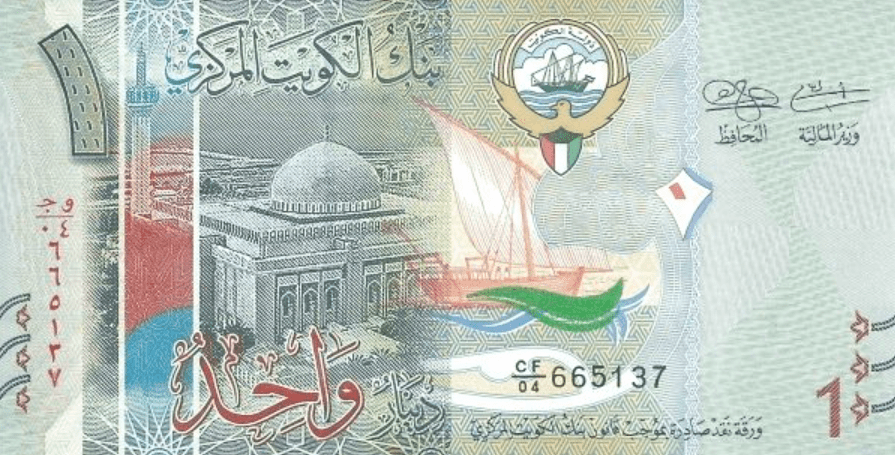
In this currency competition, the undisputed champion is the Kuwaiti Dinar (KWD). As of June 2025, the exchange rate for KWD is roughly $3.25, making it the highest valued currency in existence.
So why is Kuwait’s currency so strong? The answer lies in black gold – oil.
Kuwait’s Status as a Regional Economic Powerhouse
Kuwait holds the sixth-largest oil reserve in the world, with 101.5 billion barrels of oil. The advantages leading to such a strong currency include:
- Oil Dominance: Over 90% of Kuwait’s government revenue comes from oil exports
- Production Capacity: 2.9 million barrels per day
- Sovereign Wealth: Over $700 billion professionally managed by the Kuwait Investment Authority
- Strategic Location: Kuwait sits in the Persian Gulf, perfect for global trade
- Fixed Exchange Rate Policy: Pegged to a basket of currencies with the US Dollar as the primary component, providing predictability and stability
The Kuwaiti government has implemented a diversification policy to reduce oil dependency through its Vision 2035 plan. This aims to enhance the finance, tourism, and technology sectors, creating long-term stability that helps weather ups and downs in global oil prices.
Real-World Impact for You
For those considering a trip to Kuwait or planning to work there, here’s what the strong Dinar means:
- Your dollars won’t stretch as far for international shopping and travel
- However, salaries in Kuwait are typically adjusted to account for currency strength
- International fund transfers to Kuwait require careful timing to avoid losses
- Foreign outward remittances from Kuwait offer excellent value
Complete Rankings: Top 10 Strongest Currencies in 2025
Here’s what you’ve been waiting for – the complete top 10 strongest currencies dominating global markets in 2025:
| Rank | Currency | Country | Code | USD Exchange Rate | Key Strength Factor |
|---|---|---|---|---|---|
| 1 | Kuwaiti Dinar | Kuwait | KWD | $3.25 | Massive oil reserves |
| 2 | Bahraini Dinar | Bahrain | BHD | $2.65 | Financial hub status |
| 3 | Omani Rial | Oman | OMR | $2.60 | Oil & gas wealth |
| 4 | Jordanian Dinar | Jordan | JOD | $1.41 | Pegged stability |
| 5 | British Pound | United Kingdom | GBP | $1.28 | Economic resilience |
| 6 | Gibraltar Pound | Gibraltar | GIP | $1.28 | UK currency peg |
| 7 | Cayman Islands Dollar | Cayman Islands | KYD | $1.20 | Offshore finance |
| 8 | Swiss Franc | Switzerland | CHF | $1.10 | Haven status |
| 9 | Euro | European Union | EUR | $1.08 | Economic union power |
| 10 | US Dollar | United States | USD | $1.00 | Global reserve currency |
Middle Eastern Dominance
What’s fascinating to note? Six of the top 10 currencies come from Middle Eastern countries. This isn’t a coincidence – this is oil economics in action.
Bahraini Dinar (BHD) – The Silver Medalist. Bahrain has positioned itself as the financial capital of the Gulf. With prominent banks, insurance companies, and investment firms based in Manama, the Bahraini Dinar benefits from both oil wealth and financial services diversification.
Omani Rial (OMR) – The Bronze Winner. Oman’s currency strength stems from oil and natural gas exports, plus a well-managed economy. The government maintains fiscal discipline, which keeps the Rial strong and stable.
Jordanian Dinar (JOD) – The Stable Performer Here’s where it gets interesting. Jordan doesn’t have notable oil reserves, yet their Dinar remains strong because it’s pegged to the US dollar and backed by prudent monetary policy. This shows that strong governance can compete with natural resource wealth.
European Powerhouses
British Pound (GBP) – The Resilient Fighter Despite Brexit challenges, the British Pound remains one of the world’s strongest currencies. The UK maintains a competitive position through London’s extensive financial services and a diversified economy, including technology sectors.
Swiss Franc (CHF) – The Safe Haven Switzerland’s currency benefits from the country’s political neutrality, banking confidentiality, and economic stability. During turbulent global markets, investors flock to Swiss Francs like a financial safety net.
Why Some Currencies Are Stronger: The Economic Science
Understanding why some currencies are stronger requires examining multiple interconnected factors. It’s not a single element – rather, a complex mix of economics, politics, and global market dynamics.
The Resource Advantage
Countries rich in natural resources, particularly oil, possess a built-in competitive edge. When you export something the world desperately needs, you can demand payment in your currency, boosting demand and value. This explains why Middle Eastern currencies dominate our strongest currencies 2025 list.
Economic Diversification Benefits
However, relying too heavily on natural resources can be risky. Countries that successfully maintain currency value over time are those with diversified economies, like Switzerland with banking and precision manufacturing, or the UK with financial services and technology.
The Confidence Factor
Currency strength is also about confidence. When investors and governments trust a country’s economic policies, legal system, and political stability, they’re more willing to hold that currency. This confidence translates directly into higher exchange rates.
Supply and Demand Dynamics
Currency value follows fundamental supply and demand principles:
- Limited Supply: Countries that carefully manage their money supply prevent inflation
- High Demand: Currencies needed for international trade or investment see increased demand
- Government Intervention: Central banks can influence currency strength through monetary policy
Currency Strength vs. Economic Power: A Crucial Distinction
This is where many people get confused. The highest currency in the world doesn’t necessarily come from the most powerful economy. Let me clarify this paradox.
The US Dollar Paradox
The US has the world’s largest economy, but the dollar ranks 10th in our currency exchange rate rankings. Why? Because the dollar serves as the world’s primary reserve currency.
What does a reserve currency status mean?
- Global Trade: Most international transactions use US dollars
- Central Bank Reserves: Countries hold dollars as foreign currency reserves
- Commodity Pricing: Oil, gold, and other commodities are priced in dollars
This massive demand keeps the dollar stable, but it also means the US can print more dollars without immediate inflation. Other countries don’t have this luxury.
Trading Volume vs. Value
The US dollar accounts for 88% of all foreign exchange transactions globally, compared to the Kuwaiti Dinar, which handles a tiny fraction of global trade. The dollar’s widespread use makes it more important for international commerce, even though it’s not the highest valued.
Reserve Currency Benefits
Having a reserve currency is like having a limitless global credit card. Countries need dollars for international trade, so there’s always demand. This privilege allows the US to:
- Run larger budget deficits
- Borrow money at lower interest rates
- Influence global monetary policy
Practical Applications: How This Knowledge Benefits You
Understanding currency rankings isn’t just academic – it has real-world applications that can save you money and improve your financial decisions.
For International Travel
When planning trips to countries with strong currencies, budget accordingly:
Money-Saving Tips:
- Monitor exchange rates: Track currencies and exchange rates when they are favorable
- Avoid airport exchanges: They typically offer the worst rates
- Use credit cards: Generally provide better exchange rates than cash
- Local ATMs: Usually offer competitive rates, but watch for fees
Destination Planning:
- Countries with weaker currencies provide better value for travelers
- Strong currency destinations require larger budgets
- Consider shoulder seasons when your currency might be stronger
For International Fund Transfers
Understanding currency exchange rate rankings can save hundreds when sending money internationally:
Best Practices:
- Compare services: Wise, Remitly, and traditional banks offer different rates.
- Timing matters: Exchange rates fluctuate daily
- Avoid peak periods: Rates are often worse during high-demand times
- Consider forward contracts: Lock in rates for future transfers
For Investment Decisions
Investing in strong currencies can be part of a diversified portfolio strategy:
Investment Options:
- Forex trading: Direct currency speculation (high risk)
- Currency ETFs: Diversified exposure to strong currencies
- International stocks: Indirect currency exposure through foreign companies
- Government bonds: Bonds in strong currencies
Risk Management:
- Diversification: Don’t put all investments in one currency
- Hedge currency risk: Use financial instruments to protect against volatility
- Stay informed: Monitor economic news affecting currency strength
Investment Implications and Strategies
Understanding the most valuable currency in 2025 opens up several investment opportunities and considerations:
Currency Diversification Strategies
Portfolio Protection:
- Hold assets in multiple strong currencies
- Consider currency-hedged investments
- Balance exposure between resource-based and service-based economies
Risk Assessment:
- High-value currencies can be volatile
- Political changes can quickly affect currency strength
- Economic diversification reduces long-term risk
Forex Trading Considerations
If you’re interested in forex trading, focus on:
- Major currency pairs: More liquid and predictable
- Economic calendar: Track events affecting currency strength
- Technical analysis: Use charts and patterns for timing
- Risk management: Never risk more than you can afford to lose
Conclusion
Understanding the most valuable currency in 2025 provides valuable insights into global economics and practical tools for your financial decisions. Whether you’re traveling, investing, or simply satisfying curiosity, knowing which currencies pack the most punch helps you make smarter money moves.
Remember, while the Kuwaiti Dinar reigns supreme in value, the best currency for your needs depends on your specific situation. Stay informed about global economic trends, and don’t hesitate to seek professional advice for significant financial decisions involving foreign currencies.
Frequently Asked Questions
What is the strongest currency in the world?
The Kuwaiti Dinar (KWD) is the strongest currency in the world in 2025, valued at approximately $3.25 USD. This strength comes primarily from Kuwait’s massive oil reserves and sound fiscal management.
Why are some currencies stronger than others?
Several factors determine currency strength:
- Natural resources (especially oil and gas)
- Economic stability and low inflation
- Political stability and good governance
- Central bank policies and monetary management
- International demand for the currency
- Government debt levels and fiscal discipline
Is a stronger currency always better?
Not necessarily. While a strong currency increases international purchasing power, it can also:
- Make exports more expensive and less competitive
- Reduce tourism (since the country becomes more expensive for visitors)
- Impact economic growth if the economy relies heavily on exports
- Create challenges for debt repayment when borrowed in foreign currencies
Does a high currency value mean a strong economy?
No, high currency value doesn’t always indicate a strong economy. For example:
- Kuwait has the highest-valued currency but a smaller economy than many countries
- The United States has the world’s largest economy, but its currency ranks 10th in value
- Economic size, diversity, and global influence differ from currency exchange rates
Can the strongest currencies change over time?
Absolutely. Currency strength can change due to:
- Economic policy changes by governments or central banks
- Natural resource discoveries or depletion
- Political instability or changes in government
- Global economic shifts and trade relationship changes
- Inflation rates and monetary policy effectiveness
- Market speculation and investor confidence
How often do currency rankings change?
Currency rankings can shift over months or years, but the strongest currencies tend to remain relatively stable because they’re backed by fundamental economic advantages like oil wealth or strong institutions. However, exchange rates fluctuate daily based on market conditions.
Should I invest in the highest-value currencies?
Investment decisions should be based on your financial goals and risk tolerance, not just currency strength. Consider:
- Diversification across multiple currencies
- Economic fundamentals of the issuing country
- Your investment timeline and objectives
- Professional financial advice for significant investments
How do I get the best exchange rates for international transfers?
To get the best rates for international money transfers:
- Compare services like Wise, Western Union, and bank transfers
- Avoid airport exchanges and hotel exchange counters
- Time your transfers when rates are favorable
- Use online platforms that typically offer better rates than banks
- Consider forward contracts for large amounts or future transfers
 Site Title
Leave a comment