Learn what it means to be an expat, common challenges faced abroad, and smart financial tips for 2025 and beyond.
What is an Expat? Your Complete Challenges & Financial Tips Guide for 2025
Imagine you’re enjoying a cup of coffee in a cafe in Bangkok, while you simultaneously video call your family and handle your finances remotely from three different countries. As of now, that’s what being an expatriate looks like in 2025! If you’ve ever pondered what an expat is or thought about becoming one, you’re not the only one. According to the World Bank, over 66.2 million people are living as expatriates worldwide, and this number is steadily growing every year.
Unfortunately, living overseas isn’t all about stunning beaches and breathtaking sunsets. Instead, it’s much more complicated and comes with multiple opportunities and challenges that most people never anticipate. Relocating involves dealing with foreign banking systems, figuring out daunting tax brackets, as well as sufficient financial preparation in addition to culture shock.
There are plenty of myths and misconceptions that surround expat life, making it challenging to plan properly. For that reason, I became dedicated to providing accurate information on this topic. Whether you’re heading to Singapore for a new career opportunity, exploring retirement destinations in Portugal, or already dreaming about your next adventure, this guide covers everything you need to know about becoming a successful expatriate in 2025.
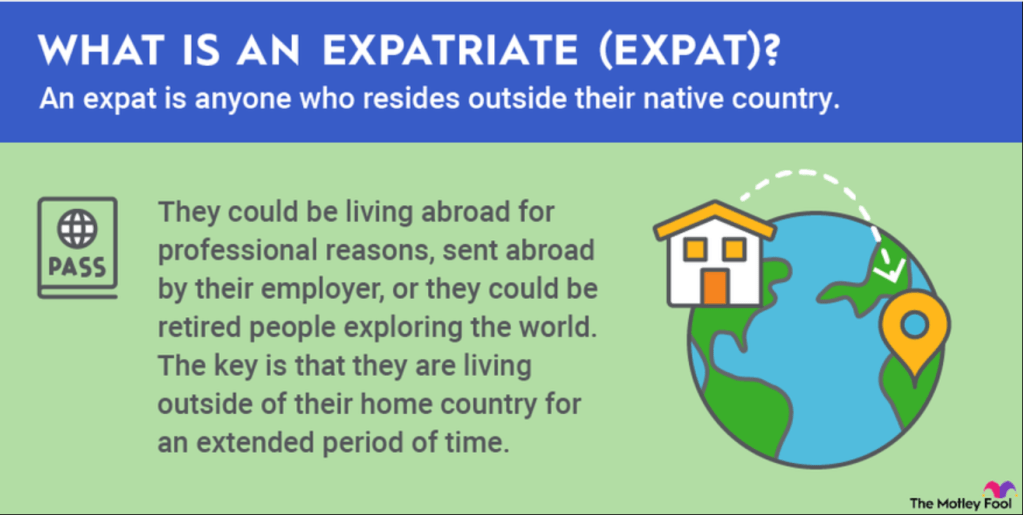
What Does Expat Mean?
The term “expat” gets thrown around frequently, but what does expat mean exactly? An expatriate is a person residing outside of their home country, usually for work, lifestyle, or retirement purposes. Derived from the Latin word “ex,” meaning ‘out of,’ and “patria,” which translates to homeland, it means “out of one’s homeland.”
However, the fascinating part is that the modern definition has evolved significantly over time. Unlike immigrants who usually intend to settle permanently, expats tend to maintain stronger connections to their native country and often plan to return. They differ from migrant workers, who primarily move for economic reasons that are often necessity-driven rather than choice-based.
Key distinctions include:
- Expats: Voluntary relocation with home country connections, often temporary
- Immigrants: Permanent relocation with intent to establish residency and new citizenship
- Migrant workers: Temporary relocation driven primarily by economic necessity
- Digital nomads: Location-independent workers without fixed residence
These social definitions become less concrete with every passing year. I’ve encountered self-proclaimed “temporary” expats who have lived abroad for decades, and immigrants who describe themselves as expats despite holding citizenship in their new country.
Types of Expats in 2025
Remote work has reshaped the expatriate landscape in ways unthinkable just five years ago. Who can become an expat—and how they do it—has changed dramatically. Let me break down the main categories:
Corporate Expats still represent the traditional image of international relocations. These employees receive generous relocation packages with housing allowances and tax equalization, but businesses are becoming more selective about these expensive assignments.
Digital Nomad Expats represent the fastest-growing segment, choosing locations based on cost of living, internet quality, and lifestyle preferences. Portugal’s D7 visa and Estonia’s digital nomad visa are fueling this trend.
Retiree Expats have increasingly opted for relocating to countries like Malaysia and Thailand due to better healthcare, improved weather, and lower living expenses. Both countries actively attract this demographic with retirement-specific visa programs.
Student Expats often transition to work visas while pursuing studies abroad. Germany and Canada have become particularly attractive for their post-study work opportunities.
Entrepreneur Expats establish businesses in countries with favorable tax structures or startup ecosystems. Singapore and the UAE are major hotspots for this category.
Global Expat Statistics and Trends
The numbers tell a compelling story. According to the 2024 Expat Insider Survey, utilizing remote work opportunities, the global expat population grew by 25% from 2019 to 2024. Here’s what the data reveals:
- Primary age demographic: 35-44 years old (43% of all expats)
- Gender distribution: 53% male, 47% female
- Top origin countries: USA, UK, Germany, India, and France
- Primary motivations: Career advancement (67%), lifestyle improvement (54%), better work-life balance (47%)
The pandemic fundamentally shifted relocation strategies. Countries that managed COVID-19 effectively saw expat population growth, while traditional hubs like Hong Kong experienced significant population declines.
Top Expat Destinations and Why People Choose Them
Most Popular Expat Countries in 2025
When considering the best countries for expats, certain destinations consistently top international surveys. Let me share insights from recent data and personal experiences working with expatriates worldwide.
Singapore maintains its position as the gold standard for professional expats. While living costs are steep, the combination of cultural diversity, tax efficiency, and strategic location makes it irresistible. Effective tax rates for high earners can drop to 15-20%, and English proficiency is widespread.
Portugal has gained tremendous popularity among expatriates, especially after launching the D7 visa for remote workers. Lisbon provides a European lifestyle at reasonable costs, and the Non-Habitual Resident (NHR) tax regime can provide substantial tax savings for new residents.
The United Arab Emirates, particularly Dubai and Abu Dhabi, attracts expats with zero personal income tax and modern infrastructure. The Golden Visa program now offers a 10-year residency to select professionals and investors.
Here’s a comprehensive comparison of top destinations:
| Country | Cost of Living Index* | Tax Advantages | Visa Ease | Healthcare Quality | Expat Community |
|---|---|---|---|---|---|
| Singapore | 85 | High | Medium | Excellent | Large |
| Portugal | 52 | High | High | Good | Growing |
| UAE | 68 | Very High | High | Good | Large |
| Switzerland | 122 | Medium | Low | Excellent | Medium |
| Thailand | 41 | Medium | High | Good | Large |
| Germany | 71 | Low | Medium | Excellent | Medium |
Emerging Expat Hotspots
While traditional destinations remain popular, I’m witnessing remarkable growth in unexpected locations. Estonia is attracting tech professionals with its e-Residency program and advanced digital infrastructure. Mexico has welcomed a 70% increase in American expats since 2020, driven by proximity, lower costs, and improved infrastructure.
Barbados launched the Welcome Stamp program, permitting remote workers to live and work on the island for up to 12 months. Small island nations are innovating creatively to attract digital nomads and remote workers.
What drives these decisions? Based on conversations with hundreds of expatriates, the decision typically comes down to five key factors: career opportunities, cost of living, quality of life, tax implications, and ease of integration. The weight of each factor varies dramatically depending on individual circumstances.
Major Expat Challenges in 2025
Cultural Adaptation Struggles
Let me be honest – the challenges of living abroad extend far beyond learning to say “hello” and “thank you” in the local language. Cultural adaptation is like peeling an onion; just when you think you’ve mastered it, another layer of complexity reveals itself.
Language barriers extend well beyond basic communication. Professional jargon, humor, and cultural references can leave even fluent speakers feeling isolated. I’ve witnessed American expats struggle with British business culture despite sharing the same language, and German expats find it challenging to adapt to the indirect communication styles common in Asian countries.
Workplace culture differences can be particularly jarring. In Germany, directness is valued; in Japan, consensus-building is crucial; in America, individual achievement is rewarded. These aren’t just preferences—they’re deeply embedded cultural values that affect everything from meeting structures to performance evaluations.
Social integration presents another significant hurdle. Making authentic friendships as an adult is already challenging; doing it in a foreign culture while managing work and family responsibilities can feel overwhelming. Many expats find themselves trapped in expat bubbles, which limit cultural exposure and can create resentment among locals.
Legal and Administrative Hurdles
The bureaucratic maze of living abroad can test anyone’s patience. Visa renewals become a constant source of stress, especially when regulations change without warning. I’ve seen established expats with settled lives suddenly scrambling because visa requirements shifted unexpectedly.
Healthcare system navigation varies dramatically by country. Singapore’s system is efficient but expensive without proper insurance. Germany’s statutory health insurance system is comprehensive but heavily bureaucratic. The US system confuses even Americans, let alone foreign residents.
Banking relationships often require physical presence, multiple documents, and sometimes minimum deposits that vary by nationality. Some countries make it nearly impossible for certain nationalities to open accounts without significant obstacles.
Professional Challenges for Expats
Career progression can stall when credentials aren’t recognized or properly understood. Professional licenses often don’t transfer, requiring expensive retraining or certification processes. I’ve encountered doctors working as taxi drivers and engineers in completely unrelated fields because their qualifications weren’t accepted locally.
Networking in new markets requires understanding local business cultures and building relationships from scratch. LinkedIn connections don’t replace face-to-face relationship building, and professional associations may operate under different cultural expectations.
Remote work has created new complications. Expat tax obligations for digital nomads can be nightmarish, with some people owing taxes in multiple countries simultaneously. The rules are evolving faster than tax authorities can provide clear guidance.
Personal and Family Struggles
The emotional toll of expat life often gets underestimated. Relationship strain from distance affects everyone differently. Missing important family events, managing time zone challenges, and maintaining long-distance relationships require constant effort and emotional investment.
Children’s education continuity becomes a major concern for family expats. International schools are expensive and may not align with home country curricula. Local schools might provide better integration, but they create challenges if you plan to return home.
Mental health challenges are real and often overlooked. Expat depression is common but rarely discussed openly. The constant adaptation, cultural misunderstandings, and isolation can take a serious toll on psychological well-being.
Essential Financial Planning for Expats
Pre-Move Financial Preparation
Expat financial planning begins months before you board that plane. The biggest mistake I see is people underestimating the upfront costs and cash flow challenges of international relocation.
Your emergency fund needs to be larger as an expat—I recommend 12 months of expenses rather than the traditional 6 months. Why? Because accessing credit in a new country takes time, family support is limited, and unexpected costs (visa renewals, emergency travel home, healthcare) add up quickly.
Research destination costs thoroughly, but add a 20-30% buffer for the first year. Online cost-of-living calculators provide baselines, but they miss cultural spending differences. Dining out might be cheaper in Thailand, but imported goods cost significantly more. Housing deposits could be 3-6 months upfront instead of the 1-2 months you’re accustomed to.
Banking relationship establishment should begin before you move. Some international banks allow account opening for existing customers before relocation. This can save weeks of complications and provide immediate access to funds upon arrival.
Expat Banking Solutions
Finding the right expat banking solutions can make or break your financial management abroad. Traditional local banks often provide the best rates and services, but may have restrictive requirements for foreigners. International banks offer consistency across countries but usually charge premium fees.
Multi-currency accounts have become game-changers for modern expats. Services like Wise (formerly TransferWise) and Revolut offer real exchange rates and low fees for currency conversion. However, they’re not full-service banks and may not provide all the services you need.
Here’s what to consider when choosing banking solutions:
- Local banks: Best rates, full services, but complex requirements
- International banks: Consistency, premium services, higher fees
- Digital banks: Convenience, low fees, limited services
- Multi-currency services: Great for transfers, not comprehensive banking
Credit building in your new country starts from zero, regardless of your home country’s credit history. Some banks offer secured credit cards or products designed for new residents. Maintaining credit in your home country while building new credit abroad requires careful planning.
Currency Risk Management
Currency fluctuations can dramatically impact your finances as an expat. I’ve seen people lose thousands because they ignored exchange rate risks or made poorly timed currency conversions.
Exchange rate impact affects everything from monthly budgets to long-term savings goals. If you earn in euros but have US dollar obligations, a 10% currency swing can devastate your budget. Similarly, retirement savings in one currency might lose significant value when converted for use in another country.
Hedging strategies for individual expats include forward contracts for large transfers, maintaining diversified currency holdings, and timing transfers based on favorable rates. However, avoid trying to time the market perfectly—you’re not a currency trader.
Expat Tax Planning and Compliance Guide
Understanding Double Taxation
Expat tax obligations represent one of the most complex aspects of international living. The good news is that most countries have double taxation treaties to prevent you from paying full taxes in multiple countries. The bad news is that understanding and properly implementing these treaties requires expertise.
Tax residency determination varies by country and can be complex. Some countries use the 183-day rule (spend more than 183 days and you’re a tax resident), while others consider factors like permanent home location, center of vital interests, or habitual residence. You could potentially be a tax resident of multiple countries simultaneously.
US citizens face unique challenges because America taxes based on citizenship, not just residency. The Foreign Earned Income Exclusion (FEIE) allows qualifying US expats to exclude up to $120,000 (2023) of foreign earned income, but strict requirements apply, including physical presence or bona fide residence tests.
Country-Specific Tax Requirements
Different passport holders face different obligations:
US expats must file annual tax returns regardless of where they live or earn income. FATCA (Foreign Account Tax Compliance Act) requires reporting foreign bank accounts, and FBAR (Report of Foreign Bank and Financial Accounts) mandates disclosure of foreign accounts exceeding $10,000 aggregate value.
UK expats can become non-residents for tax purposes but may still owe UK taxes on UK-source income. The statutory residence test determines tax status based on days spent in the UK and connecting factors.
Australian expats can become non-residents but face scrutiny from the ATO (Australian Taxation Office). The residency determination considers domicile, permanent place of abode, and intention to remain abroad.
Professional Tax Help for Expats
When should you hire expat tax specialists? Immediately, in my opinion. The cost of professional help is usually far less than the penalties for getting it wrong, and the complexity continues to increase each year.
International tax preparation costs typically range from $500 to-3,000 annually, depending on complexity. Consider that the wrong filing status or missed election could cost thousands in additional taxes or penalties.
Common mistakes include:
- Filing in the wrong country
- Missing treaty benefits
- Incorrect foreign tax credit calculations
- Unreported foreign accounts
- Wrong residency status elections
Smart Investment Strategies for Expats
Expat-Friendly Investment Platforms
Investment access becomes complicated when living abroad. Many brokers restrict services based on residence rather than citizenship, leaving expats with limited options or forcing them to use less favorable platforms.
Interactive Brokers offers one of the most comprehensive international platforms, available to residents of most countries with reasonable fees and broad investment access. Charles Schwab International serves US expats specifically, but requires higher minimum balances.
Reporting requirements complicate investment decisions. US persons must report foreign investments through various forms (8938, 3520, etc.), making certain investment structures prohibitively complex from a compliance standpoint.
Retirement Planning as an Expat
Expat retirement destinations require careful financial planning that considers tax implications, healthcare costs, and currency risks. Popular retirement spots like Costa Rica and Malaysia offer affordable living but may lack sophisticated healthcare or have currency instability.
Social Security implications vary by destination. US Social Security benefits are payable in most countries, but some restrictions apply. Totalization agreements with certain countries allow combining work credits from different countries for benefit calculations.
Pension portability depends on specific pension schemes and destination countries. Some employer pensions can be transferred or paid abroad, while others cannot. This affects both current expats and those planning retirement abroad.
Technology and Digital Tools for Expat Success
Essential Expat Apps and Platforms
Technology has revolutionized expat life. International money transfer services like Wise, Remitly, and Fairexpay online money transfer offer better rates and faster service than traditional banks. These platforms typically save 1-4% on exchange rates compared to bank transfers.
Currency tracking apps help manage multi-currency finances. XE Currency provides real-time rates and historical charts, while Trail Wallet helps track expenses across multiple currencies.
Language learning has evolved beyond Duolingo. Babbel and Busuu offer more structured learning, while HelloTalk connects you with native speakers for conversation practice.
Digital Banking and Financial Management
Online-only banks like N26 and Revolut offer services across multiple countries, making them ideal for frequent travelers or those maintaining financial presence in multiple countries.
Cryptocurrency considerations for expats include potential tax advantages and disadvantages. Some countries treat crypto more favorably than others, but reporting requirements can be complex.
Building Your Expat Support Network
Finding Expat Communities
Isolation represents one of the biggest challenges for new expats. Online communities provide immediate connection but shouldn’t replace in-person relationships. Facebook groups for expats in specific cities offer practical advice and social connections.
Internations.org hosts events in major cities worldwide, providing structured networking opportunities. Professional associations often have international chapters that can help with both career and social networking.
Local meetup groups combine shared interests with cultural integration. Join hobby groups, sports clubs, or volunteer organizations to meet both expats and locals.
Professional Services Network
Building a reliable professional network takes time, but it proves invaluable. Finding accountants familiar with international tax issues should be your priority. Ask for referrals from other expats and verify credentials carefully.
Legal counsel becomes necessary for complex visa issues, property purchases, or business establishment. Many international law firms have offices in major expat destinations.
Your 2025 Expat Action Plan
90-Day Pre-Move Checklist
How to become an expat requires systematic preparation. Start with visa research and applications, which can take 3-6 months for some countries. Simultaneously begin banking relationship establishment and tax planning consultation.
Document gathering includes:
- Passport renewal, if needed
- Apostille/legalization of education and employment documents
- Medical records and vaccination certificates
- Financial statements and credit reports
- Power of attorney arrangements for home country affairs
First 30 Days in a New Country
Priority tasks include:
- Banking setup – Open a local account and establish international transfer capability
- Insurance activation – Ensure health coverage starts immediately
- Tax registration – Register with local tax authorities if required
- Housing setup – Arrange utilities and internet
- Healthcare registration – Find local doctors and understand the system
Case Study: Sarah’s Singapore Success Story
Sarah, a 32-year-old marketing manager from Chicago, moved to Singapore in 2023. Her strategic approach illustrates successful expat financial planning:
Pre-move preparation: She maintained her US credit cards and bank accounts while opening an HSBC Premier account that offered services in both countries. She researched Singapore’s tax implications and discovered she’d save approximately $15,000 annually compared to US taxes.
Banking strategy: Using Wise for regular money transfers saved her $200 monthly compared to traditional bank transfers. She maintained emergency funds in both USD and SGD to avoid currency conversion pressure.
Investment approach: She kept her US retirement accounts but stopped contributing due to Singapore’s tax complications. Instead, she maximized her SRS (Supplementary Retirement Scheme) contributions for local tax benefits.
Results after 18 months: 40% increase in take-home pay, $25,000 additional savings, expanded professional network, and fluency in Mandarin.
Conclusion:
Living as an expat in 2025 offers incredible opportunities for personal and professional growth, but success requires careful planning and realistic expectations. The financial aspects alone can seem overwhelming, but with proper preparation and professional guidance, you can navigate the complexities successfully.
Remember that every expat journey is unique. What works for a digital nomad in Bali won’t necessarily work for a corporate expat in Singapore or a retiree in Portugal. Take time to understand your specific situation, research thoroughly, and don’t hesitate to invest in professional advice when dealing with taxes and major financial decisions.
The expat life isn’t always easy, but for many, the rewards—both personal and financial—make the challenges worthwhile. Whether you’re just starting to explore the possibility or already packing your bags, proper preparation and realistic expectations will set you up for success in your international adventure.
Frequently Asked Questions
What does expat mean?
An expat (expatriate) is someone who lives outside their native country, typically for work, lifestyle, or retirement. Unlike immigrants, expats often maintain stronger ties to their home country and may plan to return eventually.
What are the common financial challenges faced by expats?
Major challenges include currency exchange costs, complex tax obligations across multiple countries, limited access to credit and banking services, difficulty transferring retirement funds, and managing investments from abroad.
How can expats manage money internationally?
Use multi-currency accounts, international money transfer services like Wise or Fairexpay, maintain banking relationships in both countries, work with expat tax specialists, and consider currency hedging for large transfers.
Do expats need special bank accounts?
While not always required, expat banking solutions often provide benefits like multi-currency capability, international transfer services, relationship management across countries, and a better understanding of expat financial needs.
What are the best tips for expat financial planning?
Start planning 6 months before moving, maintain larger emergency funds (12 months’ expenses), research tax implications thoroughly, establish banking relationships early, get professional tax advice, and understand currency risks.
Which countries offer the best expat retirement destinations?
Popular options include Portugal (NHR tax program), Malaysia (MM2H program), Thailand (retirement visa), Costa Rica (pensionado visa), and Panama (pensionado visa). Consider healthcare quality, cost of living, tax implications, and expat insurance requirements.
How do expat tax obligations work?
Tax obligations depend on citizenship, residency status, and income sources. Many countries have double taxation treaties to prevent paying full taxes in multiple countries. US citizens must file regardless of residence, while other nationalities may qualify for non-resident status.
What expat insurance requirements should I consider?
Essential coverage includes international health insurance (covering multiple countries), emergency evacuation coverage, life insurance with international beneficiaries, and possibly professional liability if working abroad.
 Site Title
Leave a comment