Compare money transfers vs wire transfers. Explore differences in speed, fees, security, and best use cases for personal and business remittances.
Money Transfer vs Wire Transfer: Key Differences Explained (Complete Guide 2025)
Ever stood at a bank counter in Mumbai and felt lost trying to pick between a money transfer and a wire transfer for that overseas payment? Trust me, you’re not the only one. Last year, Indians sent more than 100 billion dollars out of the country, yet most of us still confuse the two options.
Having guided friends and clients through countless cross-border payments, I’ve seen the wrong choice eat into their budgets by thousands of rupees. So, in this simple guide, we’ll break down the ins and outs of money transfers versus wire transfers, helping you save both time and cash the next time you send money abroad.
Understanding Money Transfers and Wire Transfers
What Are Money Transfers?
Money transfers are online services that let you send cash around the globe without stepping inside a bank. Instead of relying on old banking rails, these apps and platforms use their own networks, often boosting speed and keeping fees clear upfront.
So, when I send 50,000 rupees from Bangalore to my cousin in London through Fairexpay online money transfer, they take that money into their safe system. After they swap the rupees for pounds at a good exchange rate, the cash lands in her UK bank account in one or two business days.
What Are Wire Transfers?
Wire transfers are the old-school way friends and families send money overseas, and they run on the SWIFT network. Your bank talks directly to the other bank through a secure private line, so this method feels solid and well tested.
Almost every Indian bank does wires, including:
State Bank of India
HDFC Bank
ICICI Bank
Axis Bank
Say I wire 1,00,000 rupees from my HDFC account to a US bank; the whole flow still rides on SWIFT. First, the bank checks the balance, then changes the cash into dollars, and finally tells the American bank to credit my friend’s account.
Money Transfer vs Wire Transfer: Complete Comparison
Factor
Money Transfer
Wire Transfer
Speed
1-3 business days
Same day to 2 days
Fees
₹200-₹800 per transaction
₹1,500-₹3,000 per transaction
Exchange Rates
Near mid-market rates
Bank rates with 2-4% margins
Convenience
Mobile apps, 24/7 online
Branch visits are often required
Transfer Limits
Up to ₹7,00,000 annually
Higher limits available
Documentation
Minimal for smaller amounts
Extensive paperwork required
Tracking
Real-time app updates
Limited bank notifications
Key Differences Between Money Transfer and Wire Transfer
1. Speed and Processing Times
Money-transfer apps usually finish an international send in 1 to 3 business days. In my own experience, companies like Xchange often get money to Europe in about 24 hours, while transfers to places like the Philippines or Mexico can take 2-3 days.
Wire transfers may edge out money transfers when time is critical. A domestic wire within India wraps up the same day, and an international wire generally clears in 1 to 2 business days. Just keep in mind that weekends and bank holidays can stretch that timeline.
Real Example: Last month, I had to send ₹75,000 right away to my daughter in Toronto. The wire hit her account in just 1 day, but I paid a total of ₹2,400 in fees. A money-transfer service would have taken 2 days and cost only ₹600.
2. Cost Structure Analysis
This is where money-transfer services and traditional wire transfers show their true colors. Most money-transfer apps have clear fees and decent exchange rates. When you send ₹1,00,000 to the U.S., for example:
Fairexpay: ₹550 plus whatever the market rate gives you.
Other popular services usually take between ₹600 and ₹1,200, depending on how fast you want the money to arrive.
Wires, on the other hand, pile on extra charges:
The bank first hits you with an outgoing fee of ₹1,500 to ₹2,500
Then there are correspondent bank fees of about $15 to $25
Once the cash lands, the receiving bank wants another $10 to $20
Finally, the currency mark-up can be 2 to 4 percent above the mid-market rate.
All told, sending the same ₹1,00,000 by wire ends up costing around ₹3,000 to ₹4,500, while a money-transfer route usually takes only ₹800 to ₹1,500, so the gap is clear.
3. Exchange Rate Differences
Because money-transfer companies rely mostly on small up-front fees, their exchange rates stay much closer to the real mid-market number. Fairexpay is one solid example; it shows the rate openly and cuts only a small fee on top. In contrast, banks that do wires typically pull extra profit from the currency spread. If the mid-market USD-INR rate is 83.00, a bank might give you only 81.50 or 82.00 and keep the gap alive as income. And that gap really adds up for larger amounts; if you send ₹5,00,000, a 2 percent drop costs you around ₹10,000, more than enough to cover several smaller transfers.
When to Pick a Money Transfer App Over a Wire Transfer
When to Use Money Transfer Apps
Money-transfer apps shine when you want to send smaller amounts on a regular basis:
Monthly family remittances below ₹2,00,000
Tuition fees or student living expenses
Small business buys from overseas suppliers
Transfers where saving money beats fast delivery
For example, Rajesh, an IT worker in Pune, sends ₹25,000 each month to help his parents in Kerala and support his brother studying in Germany. By using Fairexpay instead of a wire, he saves about ₹18,000 a year because of lower fees and a better exchange rate.
When Wire Transfers Make Sense
Wire transfers still rule in a few key situations:
Big business deals above ₹10,00,000
Same-day payments that can’t wait
Buying property when bankers require paperwork
Deals that play out best inside a bank’s network
Take Priya’s zero-room apartment down payment of ₹25,00,000 in Vancouver. Even with steep fees, she chose a wire because her Canadian bank insisted on official documents and demanded completion within 24 hours.
Money Transfer Apps vs. Banks in India
Top Digital Apps
Fairexpay
Pros: Good exchange rates, clear fees, easy-to-use app
Cons: Limitations in some sending or receiving countries
Best for: Budget-minded people who want safe overseas transfers
Other Digital Apps
Many other services give different rates, speeds, and extra features
Always check and compare what’s best for your own transfer
Classic Wire Transfer Banks
HDFC Bank
Fee: ₹1,500-₹2,000
Time: 1-2 days
Great for: Existing customers with premium accounts
State Bank of India
Fee: ₹1,000-₹1,500
Time: 1-3 days
Great for: Large transfers that come with lots of papers
Safety: Money App Transfers vs Wire Transfers
Both ways are safe if you stick to licensed, regulated firms. Transfers through apps follow RBI rules and keep their licenses current. Banks also obey strict SWIFT rules and global banking checks.
Money Transfer Security Features
End-to-end encryption
Two-factor authentication (2FA)
Alerts and tracking scans for fraud in real time
Transfers follow FEMA rules
Wire Transfer Security Features
Shielded by the SWIFT network
Bank-level security steps lock data
Verification happens at several stages
Every transfer leaves a clear audit trail
Warning Signs to Watch For
Unlicensed transfer agents
Offers that seem too good to be true
Hidden fees and weak customer support
Missing proof of regulatory approval
Legal Rules in India
Under the Liberalized Remittance Scheme, people can send up to $250,000, about 2.07 crore rupees, a year for approved reasons. This cap covers both money transfer apps and bank wires.
What you need to show:
For amounts under ₹50,000: Basic KYC papers
For amounts over ₹50,000: Purpose slip, income proof
For amounts above ₹7 lakh: Extra checks and documents
Tax bite:
TCS, or Tax Collected at Source, hits 5 percent on LRS remittances, rising to 20 percent in some cases.
Technology and Future Trends
The way we move money around the world is changing fast. New digital services are offering:
Near-instant transfers built on blockchain
Wallets that hold multiple currencies
AI tools that guess the best exchange rates
Easy links to UPI and other payments
Big banks are not sitting still; they are:
Building their own quick transfer apps
Teaming up with fintech startups
Cleaning up mobile banking screens
Speeding up back-end processing
Expert Tips for Choosing Between Money Transfer and Wire Transfer
To save money, always:
Look at the full cost, not just the fee
Add in how exchange rates cut or boost value
Think about how often and how much you send
Keep an eye out for promos or loyalty perks
When speed matters, you should:
Know the deadline for same-day service
Remember that weekends and holidays slow things down
Only pick the fast-track option when really needed
Whenever possible, plan your transfer a day ahead
For paperwork and rules, just:
Save a copy of every cross-border transfer
Know your purpose code and any limits
Keep receipts or contracts as backup
Ask a tax expert if the amount is big
Conclusion: How to Pick the Best Option for You
Choosing between the two really boils down to your situation. For sending pocket money to cousins, covering tuition bills, or any everyday move, a service like Fairexpay saves on charges and spice.
But when you must close on a house, fund a new factory, or finalize a merger, only a wire gives you the speed and signed proof, even if it costs more.
My simple tip: lean on money transfer apps for routine stuff and save wires for big, time-sensitive moves. Keep an eye on your yearly totals so you stay below LRS limits, and always add the real exchange rate to the final bill before pulling the trigger.
Whatever option you pick, money transfer or a wire transfer, stick with licensed providers that follow RBI rules and show their fees up front. Choosing the right company protects your cash and can save you money in a world where transfer options keep changing.
Frequently Asked Questions
1. What is the difference between a money transfer and a wire transfer? In simple terms, money transfers run on apps with clear fees, while wire transfers travel through banks and usually cost more. Expect a money transfer to hit you for ₹200 to ₹800, but a wire can take ₹1,500 to ₹3,000 or higher.
2. Which method is faster: money transfer or wire transfer? Wire transfers are usually the speedster for urgent needs, finishing in 1-2 days overseas and often the same day inside the country. Money transfer services take about 1-3 business days, but they usually have better rates and are more convenient if you don’t need the cash to arrive right this second.
3. Which has lower fees: money transfer or wire transfer? Money transfers almost always come with a lighter price tag. If you send 1,00,000 Rupees overseas, a money-transfer service will charge about 800 to 1,500 Rupees in total, while a bank wire can eat up 3,000 to 4,500 Rupees after you count all the fees and the mark-up on the exchange rate.
4. Are money transfers as secure as bank wire transfers? Sure, as long as you stick to licensed providers. Both follow the same big international security rulebooks. Money-transfer apps sit under RBI watch, use encryption, and the classic wire route runs over the secure SWIFT network. Go with regulators in either case, and you should be fine.
5. When should I use a money-transfer service instead of a wire transfer? Pick a money-transfer app when you send less than 2,00,000 Rupees regularly, when saving cash matters more than racing clocks, when you’re cool using a phone instead of a bank counter, and when the person getting the money has a bank account in a major country.
6. How is a wire transfer different from a money transfer when the amount is big? Wire transfers are set up to move large sums quickly, and banks issue the receipts needed for buying a house or closing a big deal. Although many money-transfer apps cap limits, they can still save serious cash even when the total reaches five figures.
7. Should I pick a money transfer or a wire transfer for business payments? If a small order arrives weekly or you pay several suppliers, money transfers cut fees and lend themselves to simple scheduling. On the other hand, a 50,000-dollar contract, an urgent payroll, or any transfer that needs a formal paper trail benefits from the speed and reliability of a wire.
Learn about the Income-Based Repayment (IBR) plan, eligibility, and how it helps manage student loan payments.
What is the IBR Plan? Income-Based Repayment Plan Explained (2025 Guide)
Drowning in student loan debt? Well, you’re not alone. Most students work part-time jobs while in school to help make ends meet; a study finds that the average graduate at a postsecondary level is $37,000 in debt. That’s no laughing matter and can create havoc when trying to manage finances monthly. This is where income-based repayment (IBR) plans come in and help borrowers repay their loans on terms that consider their income.
With my expertise aiding individuals in navigating the muddles of student loan repayments, it is clear that IBR has transformed the lives of millions. By reading this guide, you now have the power to understand everything concerning Income-Based Repayment plans – from the eligibility criteria to the years-long impacts of these plans.
What Is IBR? Income-Based Repayment Plan Basics
The IBR Definition That Makes Sense
Income-Based Repayment (IBR) is a federally approved plan that allocates a student loan to be paid on a monthly basis, provided that the repayment portion does not exceed a certain portion relative to the income earned, along with separately considering the size of the family for every individual. In simpler terms, it assures to guard your finances against disbursement without taking control of your budget.
Unlike standard repayment plans, which are set to a generic repayment schedule, IBR is more accommodating and strives to shift the repayments to a fair, sustainable level based on the individual’s financial capabilities. Due to this uniqueness, IBR has surged in popularity among Americans.
How Income-Based Repayment Works?
And here’s the genius bit. IBR determines your payment based on a percentage of your discretionary income expenses. Your discretionary income is the difference between your adjusted gross income (AGI) and 150% of the federal poverty guideline for your household size.
The payment structure depends on when you first borrowed:
Original IBR: 15% of discretionary income (25-year forgiveness)
New Borrower IBR: 10% of discretionary income (20-year forgiveness)
Who is Eligible for IBR Plans?
There is, however, an eligibility criterion, and not everyone can jump on the IBR bandwagon. You need to show some degree of financial hardship, which means your IBR payment must be less than what you would pay under the standard ten-year repayment plan.
The positive news is that most holders of federal student loans qualify for them, particularly if you are:
A recent graduate with an entry-level job
Civic-minded service workers
Individuals going through a temporary financial hardship
Overspending parents
IBR vs All Other Income-Based Repayment Plans: The Definitive Distinction
Knowing your options is important. This is how IBR compares with other income-driven options:
Plan Type
Payment Rate
Forgiveness Timeline
New Borrower Date
Most Advantageous For
IBR (Original)
15% of discretionary income
25 years
Before July 1, 2014
Older borrowers
IBR (New)
10% of discretionary income
20 years
After July 1, 2014
Recent graduates
PAYE
10% of discretionary income
20 years
Requires partial hardship
Lower-income borrowers
REPAYE
10% of discretionary income
20/25 years
No hardship requirement
Graduate students
ICR
20% of discretionary income
25 years
No restrictions
Parent PLUS borrowers
When IBR Makes Perfect Financial Logic
From what I’ve seen, there are specific scenarios where IBR performs magic. You should strongly think about IBR if:
Your debt is more than 10% of your income
You intend to work in public service
You have a temporarily low income but have good growth potential
You require financial breathing room to stabilize your finances
IBR may seem unappealing to high-income earners who prefer to pay comfortably to standard payments, or those striving to lower total interest over the loan life.
IBR Eligibility Requirements: What Qualifies You?
Federal Student Loans Eligible Under IBR
IBR is limited to federal student loans. These include:
Direct Subsidized and Unsubsidized Loans
Direct PLUS Loans for Graduate Students
Direct Consolidation Loans
FFEL Program loans
Private education loans are not eligible for IBR, nor any other federal income-driven repayment plans. This highlights one of the key differences between federal and private loans.
Financial Hardship Criteria
Proving partial financial hardship is required to be eligible for IBR. In this situation, your IBR payment is less than the ten-year repayment plan amount.
As a simple illustration, if you’re required to make a standard payment of $350/month and your IBR payment is calculated at $200/month, you are eligible. The difference represents your financial hardship.
New vs. Original IBR: Understanding the Split
The two divisions of IBR stem from government changes:
Original IBR (borrowers before July 2014):
15% of discretionary income
Forgiveness in 25 years
Available to all eligible borrowers
New Borrower IBR (after July 2014):
10% of discretionary income
Forgiveness in 20 years
Exclusively for individuals without a federal loan history before July 1, 2014
How IBR Payment Calculations Work (With Real Examples)
Your Discretionary Income Formula
Discretionary income forms the foundation of IBR calculations. Here is the formula:
Discretionary Income = AGI – (150% × Federal Poverty Guideline)
For 2025, the federal poverty guideline for a single individual is $15,060, meaning 150% equals $22,590.
Step-by-Step IBR Payment Calculation
Allow me to illustrate with a case study:
Sarah’s Situation:
Annual income: $45,000
Family size: 1 (single)
Federal loan debt: $35,000
Post-2014 new borrower
Calculation Process:
Discretionary income = $45,000 – $22,590 = $22,410
IBR payment = $22,410 × 10% = $2,241 annually
Monthly payment = $2,241 ÷ 12 = $187/month
The previously mentioned standard monthly payment of around $350, when compared to the adjusted payments, highlights the reduced financial strain placed by IBR.
Payment Cap Protections
Here’s something crucial: IBR payments are capped at what you would pay on the standard 10-year plan. This protective feature ensures that you will not pay more than the capped amount, even if your income rises significantly.
The IBR Application Process: Your Step-by-Step Guide
Documentation Requirements Checklist
Before applying, ensure these documents are ready:
Last annual tax return or tax transcript
Last three months’ pay stubs
Document showing family size (marriage certificate or birth certificates)
Other income supporting documents (unemployment or disability payments)
Where and How to Apply for IBR
Options to apply are:
StudentAid.gov (most accessible and quickest)
The loan servicer’s website
Paper application sent to the appropriate loan servicer
Without a doubt, I prefer advising to go online. It’s the fastest, error-free method with instant confirmation of submission.
Expected Timeframes and What to Anticipate
Average processing duration: 2-4 weeks
During processing: Continue making your normal payments
Upon approval, the reduced payment amount will be implemented the following month
Pro tip: Apply well in advance. Do not wait until you’re already feeling the financial pressure.
Annual IBR Recertification: Stay on Track
An Annual Milestone That Must Not Be Overlooked
Every year, you are required to recertify your income and household size. Your loan servicer begins sending notifications 60 days prior; however, the responsibility still rests on you.
Failure to meet recertification deadlines incurs penalties, including:
Returning to standard payments of the 10-year repayment plan
Adding unpaid interest capitalization to the principal balance
Losing IBR benefits until recertification is achieved
Essential Documents Needed for Recertification
Documents needed include:
Updated tax returns from the previous year
Recent pay stubs (if employment has changed)
Family structure documentation for any changes
Confirmation of employment status
These processes can be streamlined through online portals, resulting in submission windows of 10-15 minutes; however, neglecting to submit can have dire consequences.
IBR Loan Forgiveness: Light at the End of the Tunnel
Understanding the IBR Forgiveness Mechanism
The balance owing is forgiven after the borrower has made qualifying payments for 20-25 years (depending on your version of IBR). All forgiven balances, including unpaid principal and accrued interest, will be discharged.
Qualifying payments include:
Payments made under IBR
Payments made under other income-driven repayment plans
Economic hardship deferment periods (not exceeding three years)
The Tax Bomb You Need to Know About
Here’s the catch: under IBR repayment plans, the forgiven debt is treated as taxable income. So if $30,000 is forgiven, you will pay taxes as if that amount was added to your income.
Example: If $30,000 is forgiven and you’re in the 22% tax bracket, you’d owe approximately $6,600. This “tax bomb” can cause significant financial stress if unprepared.
Planning strategies:
Set aside funds for taxes in a separate account
Consider paying over the minimum to lessen the amount forgiven
Determine eligibility for Public Service Loan Forgiveness (PSLF) and pursue it if applicable
IBR Pros and Cons: Complete Analysis
Major Benefits of Income-Based Repayment
Immediate financial relief: Reduced monthly obligations free up funds for other priorities
Flexible payment adjustments: Payments adjust automatically with income changes
Eventual loan forgiveness: Full discharge available after 20-25 years
Unemployment protection: During difficult circumstances, payments can drop to $0
Interest subsidy: The government pays part of your interest in some cases
Potential Drawbacks to Consider Carefully
Higher total interest costs: Lower payments over extended periods equal increased interest expenses
Extended repayment term: 20-25 years, opposed to a 10-year standard term
Annual recertification burden: Administrative tasks and deadlines every year
Tax implications: Forgiven debts are treated as taxable income
Greater complexity: More complicated compared to straightforward repayment plans
Real-World Case Study: Maria’s IBR Journey
With a bachelor’s degree in hand, Maria had $45,000 in federal student loan debt and worked as a social worker earning $38,000 yearly. She was estimated to pay $460/month on a standard repayment plan, which was not budget-feasible considering her income.
With IBR:
Monthly payment: $127
Extra cash flow: $333/month
Savings were utilized for an emergency fund and professional development
After five years, Maria’s income increased, but her payments remained manageable
“IBR gave me breathing room to build my career without drowning in debt,” Maria shared. “I had the option of taking a lower-paying job within my field instead of abandoning my passion.”
IBR During Major Life Changes
Marriage and IBR: What Changes?
Marital status does change your IBR calculation, but how you file taxes impacts it far more:
Married Filing Jointly: Both spouses’ incomes are used for payment calculation
Married Filing Separately: Only your income qualifies; however, you forgo specific tax advantages
Many couples prefer filing separately even when it increases their overall tax burden, as it keeps IBR payments lower.
Job Loss and IBR Protection
In the event of job loss, IBR offers critical protections:
Notify your servicer of your income change immediately
Payments could scale down to $0 with no earnings
Unemployment compensation is considered income for IBR calculations
An updated payment calculation can be requested at any time
Income Changes: When to Update
With significant improvements or reductions in income, you don’t have to wait for annual recertification. Contact your servicer if:
Your employment status changes (including pay cuts)
Your income increases by more than 10%
Your household size changes due to marriage, divorce, or children
IBR Success Stories and Common Mistakes
Success Story: From Overwhelmed to Empowered
James, a nonprofit worker, was managing a student loan payment of $520/month alongside a $60,000 salary. Upon switching to IBR, his payment decreased to $180/month.
“The additional $340 per month transformed my life,” James explained. “It allowed me to finally save for emergencies, contribute to my 401(k), and even budget for a vacation. IBR didn’t just help with my loans—it improved my entire financial picture.”
Common IBR Mistakes That Cost Money
Mistake 1: Missing recertification deadlines. Solution: Set calendar reminders 90 days before the deadline
Mistake 2: Failing to report changes in family size. Solution: Notify the servicer immediately when you marry, divorce, or have children
Mistake 3: Ignoring payment cap benefits. Solution: Understand that payments won’t exceed the 10-year standard amount
Mistake 4: Overlooking tax consequences. Solution: Start saving to cover potential tax liability on forgiven debt
Getting Started with IBR Today
Your Immediate Action Plan
Step 1: Contact your loan servicer to check IBR eligibility. Step 2: Collect necessary documentation (tax returns, pay stubs, family info.) Step 3: Apply online at StudentAid.gov. Step 4: Set up autopay to receive a 0.25% interest rate reduction. Step 5: Mark your calendar for next year’s recertification
Professional Help Resources
If you require assistance with IBR:
National Student Loan Data System (NSLDS): Track all your federal loans
Non-profit credit counseling agencies: Budget and debt management
Tools and Calculators
Federal Student Aid Repayment Estimator: Compare all payment options
IBR Payment Calculator: Estimate your monthly payment
Loan Simulator: Model different scenarios and strategies
Conclusion: For federal student loan borrowers facing burdensome monthly payment obligations, Income-Based Repayment can provide crucial financial relief. While IBR has its shortcomings—it increases total interest costs and requires ongoing maintenance—it offers flexibility and eventual forgiveness that can make the difference between financial stability and overwhelming debt.
Be strategic and analyze scenarios, evaluate your career path, and consider long-term implications before committing to IBR. When deployed with precision, it becomes a powerful tool that has enabled millions of borrowers to regain control of their student loan debt and build stronger financial futures.
Frequently Asked Questions
Who qualifies for IBR?
You qualify for IBR if you have eligible federal student loans and demonstrate partial financial hardship. This means your IBR payment would be less than your standard 10-year payment. Most borrowers with federal loans qualify, particularly those with entry-level incomes or large debt loads.
How is the monthly payment calculated under IBR?
IBR payments are calculated as either 10% or 15% of your discretionary income (income minus 150% of the federal poverty guideline), divided by 12 months. New borrowers after July 1, 2014, pay 10% with 20-year forgiveness, while earlier borrowers pay 15% with 25-year forgiveness.
Does IBR affect my credit score?
IBR itself doesn’t directly impact your credit score. However, making consistent on-time IBR payments will help build a positive payment history. If you were previously missing payments before switching to IBR, the lower payments can help you get back on track and improve your credit over time.
Can I switch from another repayment plan to IBR?
Yes, you can switch to IBR from any other federal repayment plan, including standard, graduated, or other income-driven plans. Contact your loan servicer to request the change. You’ll need to complete an application and provide income documentation, just like a new IBR applicant.
What happens if I miss my IBR recertification deadline?
Missing your recertification deadline causes your payment to revert to the standard 10-year amount, and any unpaid interest gets capitalized (added to your principal balance). You’ll need to complete the recertification process to restore your IBR benefits. Set calendar reminders to avoid this costly mistake.
Can I make extra payments while on IBR?
Absolutely! Making extra payments while on IBR can significantly reduce your total interest costs and help you pay off loans faster. Specify that extra payments should go toward principal, not future payments, to maximize the benefit.
How does IBR work with loan consolidation?
If you consolidate your loans through a Direct Consolidation Loan, you can apply for IBR on the new consolidated loan. However, consolidation resets your payment count for forgiveness purposes, so consider the timing carefully if you’re close to the 20-25-year forgiveness mark.
Discover what a Guaranteed Investment Certificate (GIC) is, how it works, and why it’s a safe investment option.
What Is a GIC? Guaranteed Investment Certificate explained: Your 2025 Complete Guide on Investment Certificates.
In this scenario, suppose you have $10,000 saved in a savings account earning an astonishing 0.5 percent interest per annum. The rate is so low that it does nothing to outrun inflation, let alone grow your savings. Does this ring a bell? Right, it does for most people. Luckily, there is an effective way to Secure Investment Certificates that utilize money lost in value due to inflation. GICs are one of the safest investment options in Canada, and earn decent rates of return, making them an attractive option.
GIC is very simple and complicated at the same time; here’s a full guide breaking down everything you need to know from comparison of top providers, understanding what Guaranteed Investment Certificates are, GIC withdrawal rules, along other important decisions around GICs.
Knowing the bank acronyms can be quite overwhelming, and so GICs need a thorough explanation because the Bank also considers GTD (Guaranteed Time Deposit) to be synonymous, and thus will treat both interchangeably.
What Is a Guaranteed Investment Certificate (GIC)?
A Guaranteed Investment Certificate (GIC) is essentially a loan you give to a financial institution in exchange for guaranteed interest payments. Consider it a formal IOU where your bank pledges to return your base principal in addition to some specified interest after a set period.
In essence, the process works as follows: you place a deposit with a bank, a credit union, or a trust company for a specific period known as the GIC maturity period. During this time, the deposit continues to earn interest at either a fixed or variable rate. Upon the expiration of the term, the initial capital, along with all earned interest, is paid back.
Key Benefits of GICs
Benefits that make GICs attractive include:
Principal protection: The original investment is guaranteed 100 percent
Predictable returns: Exact profit figures can be derived
CDIC insurance: Protecting funds up to $100,000 per institution
No management fees: Unlike mutual or exchange-traded funds
Flexible terms: Spanning from 30 days to 10 years
Embracing greater simplicity makes GICs more appealing relative to other forms of securities. Their resilience towards market fluctuations is attractive – if a stock market crash occurs or bond defaults, your GIC will remain unaffected, providing the original capital along with interest. This makes them particularly helpful for conservative investors who prefer lower, but guaranteed yields.
Types of GICs
Fixed-Rate GICs
Standard fixed-rate GICs are the most traditional and easiest to understand. They are akin to a simple flavor of ice cream – classic yet dependable. Fixed-rate GICs allow locking in interest for the whole term, ensuring that you will make money regardless of wider economic conditions.
As of now, the fixed-rate GIC interest rates sit between 2.5% and 4.8%, varying by the institution and term length. As a general rule, longer terms provide greater rewards in the form of higher interest rates.
Cashable vs Non-Redeemable GICs
The withdrawal policies for GICs become increasingly important at this juncture. Cashable GICs allow one to withdraw their funds before the agreed-upon time, although doing so will come at a cost of lost interest. Non-redeemable GICs provide higher interest rates, but in exchange, the funds are permanently locked away.
Comparison of Cashable vs Non-Redeemable GICs
Feature
Cashable GIC
Non-Redeemable GIC
Interest Rate
2.0-3.5%
3.0-4.8%
Early Access
Yes (usually after 30-90 days)
No
Rate Guarantee
Lower guaranteed rate
Higher guaranteed rate
Best For
Emergency funds
Long-term savings
Market-Linked GICs
If you’re looking for guaranteed principal protection but expect higher returns, market-linked GICs can be a suitable option as they offer stock-market-linked returns. While your principal is safeguarded, the interest earned is contingent on the performance of certain market indices.
How To Open A GIC Account – Step By Step
The procedure to open a GIC account is simple, but understanding the right way to open a GIC account can help save time while unlocking better rates at the same time.
Step 1: Research and Compare Rates
Look for the best deals from GIC providers in Canada. Big banks like RBC, TD, and Scotiabank have good deals, but better returns are often offered by credit unions and transfer money online.
Step 2: Gather Required Documents
You will need the following:
Government-issued photo identification document
Social Insurance Number
Proof of address
Funds for an initial deposit of $500 to $1,000, depending on the institution
Step 3: Choose Your GIC Features
Consider:
Term length: Match with your financial goals
Minimum deposit: $500 – $1,000, depending on the institution
Renewal options: Automatic renewal vs. manual decision
Step 4: Fund Your Account
Most organizations let you transfer funds from your bank account. Be cautious of the potential charges for transferring between banks.
(Tip: Review the money transfer charges list from your bank or provider to avoid unexpected fees and ensure the full amount reaches your GIC.)
GIC vs Fixed Deposit – Clarifying the Differences
Newcomers to Canada often ask about the differences between GICs and fixed deposits, especially if they are used to fixed deposits in other countries. While both these investments are considered low risk, there are some subtle differences:
GICs in Canada:
Have government and provincial regulations
CDIC insurance protection
Term option flexibility
Higher minimum investment requirements in most cases
Fixed Deposits (International Context):
Same idea, but different regulatory environment
Insurance for deposits may differ by region
Tax regulations may vary
Shorter minimum timeframes in many cases
Top GIC Providers – Where to Get the Best Rates
When choosing from the top GIC providers, you should look beyond the interest rates. Reliability, customer service, and competitive terms are equally important.
Leading GIC Providers in Canada:
Tangerine Bank: Competitive online rates and an easy-to-use platform
Meridian Credit Union: Member-centric, frequently offers the highest rates
Major Banks (RBC, TD, BMO): Convenient GIC options but often lower rates
Pro Tip: Don’t choose based on your current bank. Online and credit union institutions tend to offer 0.5-1% more than traditional banks.
Special Programs
Student GIC Program
Student GIC programs serve as educational funds and act as a requirement when applying for an international study visa. This particular GIC helps international students earn interest on the funds needed.
Key features of student GICs:
Minimum $10,000 investment
Funds are released gradually during studies
Acceptable for visa applications
Competitive interest rates
GIC Benefits for NRIs (Non-Resident Indians)
GICs for NRIs come with perks and benefits such as lower taxation and access to foreign currencies. These investments contain withholding taxation for NRIs that should be structured for maximum tax advantages; therefore, professional tax advice is recommended.
Tax Implications – What You Need to Know
GIC interest generates income and is taxed at your marginal rate. However, strategic placement can help counterbalance the overall tax liability:
Tax-Efficient GIC Strategies:
Hold GICs in TFSAs for tax-free growth
Use RRSPs for tax-deferred growth
Consider income splitting opportunities with your spouse
Time GIC maturities for optimal tax years
Annual tax reporting: A T5 slip showing the amount of interest earned is issued annually, regardless of whether the funds were received (for GICs paying interest at maturity).
Common Errors to Avoid
Having assisted numerous clients with their GIC investments, I have come across these errors time and time again:
Investing all funds into a single long-term GIC. This precludes you from taking advantage of higher rates should they become available. Consider GIC laddering, where you spread the investments over multiple maturity dates.
Ignoring inflation erosion. A GIC paying 3% sounds attractive until one realizes that inflation is at 3.5%. Always look at the inflation-adjusted value of returns.
Not understanding withdrawal terms. Some “cashable” GICs have restrictions or penalties that are not obvious. Always know the fine print.
Choosing convenience over returns. Banking where it’s easy might result in lost of interest of hundreds of dollars every year.
GIC laddering is the purchase of several GICs with staggered maturity dates. This ensures access to funds regularly while also earning good interest rates.
Example of a 5-Year GIC Ladder:
Year
Investment
Term
Interest Rate
Year 1
$10,000
1-year GIC
3.0%
Year 2
$10,000
2-year GIC
3.5%
Year 3
$10,000
3-year GIC
4.0%
Year 4
$10,000
4-year GIC
4.2%
Year 5
$10,000
5-year GIC
4.5%
After the maturity of the first GIC, renew into a fresh 5-year term. This approach maintains liquidity while capturing better long-term rates.
Conclusion – Is a GIC Right for Your Financial Goals?
Guaranteed Investment Certificates may not be the most exhilarating investments, but they fulfill crucial functions in diversified portfolios. They are ideal for your emergency funds, short-term savings objectives, or the conservative parts of your retirement planning.
Always assess your risk appetite, investment timeframe, and overall financial strategy before investing. GICs are most effective when you know what you will receive in return: absolute safety and reliable returns, albeit lower than stocks or other growth-oriented investments.
Remember, good investing practice is not about trying to identify the one perfect investment – it’s about creating a strategy that allows you to work towards your financial goals with minimal stress, providing peace of mind. Many Canadians find that GICs offer a balanced combination of safety and reasonable returns.
Would you like to explore other GICs? You may wish to start by assessing rates from various providers. It may also be helpful to consult a specialist to analyze the role of GICs in your overall investment strategy.
Frequently Asked Questions About GICs
What is a GIC?
You make a GIC through a deposit with a financial institution for a predetermined length of time. During this term, the financial institution pays you guaranteed interest for the use of your money. At the end, you get the money you deposited and the agreed interest on top.
Who should invest in a GIC?
A GIC would be suitable for conservative investors, elderly investors, people who are in the process of starting an emergency fund, or anyone who values the preservation of their funds over growth. It is also ideal for those investors who wish to avoid the stress of market fluctuations.
What is the risk profile of GICs?
The primary risks are:
Inflation risk: Gaining a return that doesn’t match rising economic costs
Interest rate risk: Missing out on higher rates if they rise post-investment
Liquidity risk: Funds are unable to be accessed for the entire term duration
Opportunity cost: Potential earnings lost due to funds not being available for other investments
Can I withdraw funds from a GIC before the term expires?
This depends on the type of GIC. For cashable GICs, early withdrawal is permitted but comes with penalties. For non-redeemable GICs, no early withdrawal is allowed except in extreme cases, like terminal illness, and even then, heavy penalties apply.
What happens in the event of a bank failure?
CDIC (Canada Deposit Insurance Corporation) protects your GIC up to $100,000 per institution. This means if your bank fails, you’re guaranteed a refund on the amount within the insured limit.
Are GIC earnings taxable?
Yes, GIC interest is considered taxable income. You will incur taxes at your marginal tax rate on interest income, regardless of whether it is paid out yearly or at maturity. However, GICs within a Tax-Free Savings Account (TFSA) grow tax-free, and those held in a Registered Retirement Savings Plan (RRSP) grow tax-deferred.
What’s the minimum amount needed to buy a GIC?
Most financial institutions have a minimum initial investment requirement between $500 to $1,000. Some may accept as low as $100. Increased funding often comes with better investment rates.
Should I choose fixed or variable rate GICs?
If interest rates are likely to fall or remain stable, fixed-rate GICs provide certainty and are more advantageous. Variable-rate GICs are beneficial in rising-rate environments, but add uncertainty about the total returns at maturity.
Step-by-step guide to sending money from India to other countries, covering methods, charges, and required documentation.
How to Send Money Abroad from India: Your Complete Step-by-Step Guide for International Money Transfers
Last month, I remember Priya, my friend from college, was trying to figure out a way to pay her son’s university fees in Canada. Priya used to go to a bank and wire transfer the money out there for years. She was losing out on thousands of rupees because of the bank’s exchange rates. Does this sound familiar?
In this guide, I aim to cover everything from Reserve Bank of India policies to the regulations that need to be complied with. This one-stop guide is perfect for anyone looking to transfer money internationally from India for education, support of family, business transactions, etc.
Understanding International Money Transfers: All You Need to Know
With everything under the Reserve Bank of India’s eye, India doesn’t make it easy when it comes to money transfers to foreign companies. Understanding these rules could mean a big difference between an unnecessary regulatory headache and a smooth transfer.
International money transfers from India include payments to overseas accounts, foreign companies, or individuals residing abroad. This covers:
Payment of the family
Business-related payments
Insurance premiums of overseas countries
Travel expenses
Tuition fees (within USD 10K)
Under the Liberalized Remittance Scheme (LRS), the Indian government permits its residents to transfer a specific amount of money abroad. Consider LRS as your yearly limit set for overseas transactions – currently pegged at $250,000 per financial year on a per capita basis. This cap is inclusive of everything, including education and purchasing of foreign properties, thus making it critical to map out your transfers strategically.
Primary Factors for International Remittances
As per the data from the RBI, Indians remit through legal means more than $18 billion every year. Notably, the main reasons are:
Education expenditure (40% of total remittance)
Family maintenance and support (25%)
Medical treatment overseas (15%)
Travel and tourism (12%)
Business-related activities (8%)
Having a clear rationale for the transfer helps in choosing the most suitable method and form of documentation needed.
Legal Framework: RBI’s Guidelines on Outward Remittance
The RBI guidelines for outward remittance form the foundation of the country’s foreign exchange regulatory framework in the country. These are not regulations for the sake of bureaucracy. They serve the purpose of providing certain equilibrium for the economy of the country while facilitating genuine cross-border interactions.
In the existing structure, any resident Indian can remit up to $250,000 in a single calendar year without requiring additional approvals. Nonetheless, this flexibility comes with certain limitations:
Transactions Permitted Include:
Visiting friends and relatives abroad
Remittance, either as a gift or a donation
Emigration
Seeking medical treatment
Pursuing education abroad
Maintenance of close relatives
Transactions Not Permitted Include:
Sponsoring contests or raffles
Gambling or any form of wagering
Foreign exchange dealings outside the country
Investment in companies engaged in the real estate business
The beauty of understanding these guidelines is how simple they are. Familiarity with the existing framework allows for seamless remittance. Too many have underestimated the rules and, as a consequence, have overthought legitimate remittances.
Required Documents According to RBI Guidelines
Documentation is essential for every international money transfer. Documents for outward remittance differ according to the amount of money transferred and the purpose behind it:
For Payments Less Than ₹25,000:
Purpose self-declaration
Current PAN card
Bank account information
For Amounts Exceeding ₹25,000:
Form A2 (declaration cum application)
CA certificate for amounts exceeding $50,000
Additional documents supporting the claimed purpose
Passport with Visa (if applicable)
Step-by-Step Guide: How to Send Money Abroad from India
I will present the entire process in simple steps. Based on my experience helping friends and family with international transfers, I can attest that being prepared alleviates the burden significantly.
Step 1: Determine Your Transfer Amount and Purpose
Before opting for any service, make sure to assess the amount of funds you will be transferring. This goes beyond choosing a principal amount; also, figure out the following:
Exchange rate volatility (can increase or decrease by 2-5% daily)
Service charges (₹500 to ₹2,000 for most providers)
Charges from intermediary banks (between ₹1,000 and ₹3,000 for telegraphic transfers)
Goods and service tax on transfer fees (18% on service fees)
As an illustration, when you send $10,000 for education, your total expenses will be somewhere between ₹8,50,000 to ₹8,80,000 based on your selection.
Step 2: Choose Your Transfer Method
Each option impacts an individual’s costs, speed, and convenience. Allow me to elaborate on what I’ve found for each option:
Traditional Bank Wire Transfers
While banks provide safety and an established method, they are costly. My bank charges ₹1,500 as a flat fee plus 0.25% of the amount being transferred. Exchange rates are 2-3% above the mid-market rate at best.
Online Money Transfer Services
Wise, BookMyForex, and Fairexpay are examples of online money transfer services that have changed how we send money from India abroad. These services have:
Better exchange rates
Lower fees
Transparent pricing
With a switch from traditional services to online services, I’ve personally saved over ₹15,000 each year.
Forex Cards vs Wire Transfers
The forex card vs wire transfer debate usually leaves people perplexed. While forex cards are optimal for travel-related purchases, wire transfers are suited for large, one-off payments like tuition fees or property purchases.
Step 3: Compare Costs and Services
Do not make a choice solely based on the advertised exchange rates. For an accurate assessment, utilize the following calculation:
Total Cost = (Amount × Exchange Rate) + Transfer Fees + GST + Intermediary Charges
Below is a simplified approach that I devised:
Get the mid-market rate from Google or XE.com
Identify the markup from each service offered
The sum total of all costs and charges
Evaluate the overall final amount disbursed
Money Transfer Methods: Detailed Comparison
Transfer Method
Processing Time
Typical Fees
Exchange Rate Markup
Best For
Bank Wire Transfer
2-5 business days
₹1,500-3,000
2-4% above mid-market
Large amounts, long-standing relationships
Online Services
1-3 business days
₹300-1,200
0.5-2% above mid-market
Regular transfers, cost-conscious customers
Forex Companies
1-4 business days
₹500-2,000
1-3% above mid-market
High value transactions, tailored service
Digital Platforms
Minutes to 24 hours
₹100-800
1-2.5% above mid-market
Fast access, smaller sums
NRI Money Transfer Options: Special Considerations
There is a stark contrast between NRI money transfer options and those for residents. For NRIs, they can:
Transfer any amount without restriction from NRE accounts
Utilize NRO accounts for restricted transfers (up to $1 million per year)
Benefit from a simplified documentation process
Access specialized NRI banking services
It’s a common misconception that NRIs have less flexibility than residents, when in fact, they are granted more flexibility for international transfers. This benefit may prove useful for decreasing spending during large-scale transactions.
Cost Optimization: Securing Low-Cost International Transfers
Achieving low-cost international transfers in India is not a simple process; rather, it is a clever strategy. Here’s what I have learned over the years while optimizing my international transfers:
Transfer Timing Strategy
The currency exchange rates are highly volatile and fluctuate at all times. I conveniently track the rates for USD-INR on tools like XE Currency and CurrencyFair. During the strengthening phase for the rupee, I execute planned transfers. During the weakening phase for the rupee, I delay non-urgent payments.
Pro tip: Do not attempt to transfer funds on Fridays or before long weekends, as these periods can attract weekend premiums, which add roughly 0.5-1% to your costs
Understanding Tax Implications
The tax on international transfers has undergone significant evolution over the years. Under the current framework, we operate with the following taxes:
TCS (Tax Collected at Source): 5% on the amount surpassing ₹7 lakh in a financial year under LRS
GST: 18% on the service fee for transferring money
Income tax: Based on the purpose of the transfer
For education, you can claim TCS as an advance tax, which is thus refundable. For other purposes, proper documentation aids tax optimization.
Choosing Speed vs Economy
While sending medical aid to my uncle in the US, I didn’t care much about the cost. However, I was willing to optimize my cost when it came to my daughter’s semester fees.
Fastest Ways to Send Money from India:
Digital wallets for certain corridors (2-4 hours)
Online transfer systems such as Wise (major currencies transfer within a day)
Express wire transfer (24-48 hours)
Most Economical Options:
Scheduled transfers booked in advance (saves 1-2%)
Bulk transfers for multiple payments
Forward contracts (rate locks on future transfers)
Specific Transfer Scenarios and Best Practices
Sending Money for Education
Tuition fees account for the majority of remittances sent from India. In helping many families with this, I learned several important methods.
Paying directly to the university is sometimes better than sending money to student accounts. A good number of universities will accept wires in INR and convert at more favorable institutional rates.
Documents Required for Educational Fund Transfers:
University offer letter
Document detailing fee categories and payment timelines
Student visa (where applicable)
Form A2 with CA authorization for amounts beyond $50,000
Family Maintenance and Support
Long-term automated support arranged via relationship banking frameworks streamlines regular family support payments. I automated monthly transfers for my parents’ maintenance expenditures in Canada, optimizing:
Standing transfer instructions, which provide enhanced value for repetitive transactions
Documented family member identification simplifies future transfers
Loyalty program benefits are granted after certain thresholds are met
Business and Investment Transfers
Corporate financial transactions require strict compliance protocols; however, they present particular beneficial aspects:
Increased transfer limits for authentic corporate purposes
Dedicated corporate banking facilities with lower fees
Multi-currency capabilities for international business activities
International remittance systems have been revolutionized by the ability to send money directly to bank accounts online. Convenience and lower costs are the main drivers behind the trend where more than 60% of outward remittances from India are processed electronically.
Mobile Applications and Online Platforms
Traditional banks are unable to compete with modern transfer apps because they offer:
Real-time rate alerts (get notified when rates hit your target)
Transfer tracking (know exactly where your money is)
Choosing solely based on advertised rates disregards total costs. Always calculate the final amount your recipient receives to avoid expensive surprises.
Conclusion
Transferring money from India doesn’t have to be costly or complicated. Strategic timing of your payments, selection of the appropriate service provider, and compliance with RBI guidelines can make this process significantly more cost-effective. You might save thousands of rupees annually with the right approach.
While a specific transfer method may work perfectly for your friend, it may not be optimal for your situation. Consider your specific circumstances, transfer frequency, acceptable risk levels, and various other factors when making decisions. Don’t hesitate to experiment with different service providers, as most offer first-time user discounts to test their services.
Frequently Asked Questions
What is the best way to send money abroad from India?
The best possible way varies between individuals. If you need regular transfers below $5,000, online money transfer services like Wise or BookMyForex would be efficient. For bigger amounts, specialized forex companies usually provide the best rates and personalized service. Traditional bank wire transfers work best when you have established relationships, despite expensive fees.
What documents are necessary for international transfers?
Document requirements differ based on the amount being transferred:
Less than ₹25,000: Self-declaration form along with PAN card
₹25,000 to ₹50,000: Form A2 along with purpose documentation, PAN card
Greater than ₹50,000: All documents mentioned previously plus CA certificate
Exceeding $250,000: Requires RBI approval
Always have your passport for identity verification and purpose documents (like university admission letters for education transfers).
Are there limits on how much I can send abroad?
Yes, under LRS for sending money abroad, residents are limited to $250,000 per financial year without special approval. This is a per-person limit, so married couples effectively have a cap of $500,000 annually. NRIs have more flexibility: unlimited from NRE accounts and up to $1 million per year from NRO accounts.
How long does it take to send money internationally from India?
Transfer times vary by method:
Digital platforms: 1-24 hours for major currencies
Bank wire transfers: 2-5 business days
Forex companies: 1-4 business days
Express services: Same day to 48 hours (with premium fees)
Transfers to developed countries (US, UK, Canada) process faster than developing countries due to superior banking infrastructure.
What is the tax on sending money abroad from India?
The existing taxation framework consists of:
TCS: 5% on LRS transfers above ₹7 lakhs annually (20% if PAN not provided)
GST: 18% on service charges
Income tax: Applicable depending on transfer purpose and income bracket
TCS on education and medical expenses qualifies as advance tax, hence it is refundable during tax filing.
Can I cancel an international transfer once initiated?
Cancellation policies differ by provider and transfer stage. Most services allow cancellation within 30 minutes to 2 hours after initiation. After processing begins, cancellation incurs fees (usually ₹500-2,000). Always check cancellation policies before confirming transfers.
Is it better to use a forex card or a wire transfer for international payments?
Forex cards are best suited for:
Travel expenses and daily expenditures
Multiple, smaller transactions
Countries with good card acceptance
Wire transfers are best suited for:
Large one-time payments (tuition fees, property purchases)
Direct bank-to-bank transfers
Countries with limited card infrastructure
How can I track my international money transfer?
Modern transfer services offer multiple tracking options:
SMS notifications at each transfer stage
Email updates with reference numbers
Mobile app tracking with real-time status updates
Customer service hotlines for instant updates
Preserving your transfer reference number is essential for tracking and customer service inquiries.
A complete guide to India’s Liberalised Remittance Scheme, including limits, eligibility, and uses for sending money abroad.
Liberalised Remittance Scheme (LRS): Your Comprehensive Guide to Sending Money from India in 2025
Imagine this: your son is applying for a college in Australia, and you need to send over ₹1.5 million for tuition fees. Or perhaps you’re taking a long-awaited vacation to Europe and plan to send money for hotel bookings. Whatever the reason, it’s common practice to know about LRS, but do you understand how it works?
Having helped a multitude of clients with forex services throughout India, I have come to understand that LRS is actually a well-kept secret and underutilized when used for transferring money internationally. Yet approximately 95% of the population barely scratches the surface of what it offers. From regulation changes to obsolete or expensive alternatives, this guide aims to streamline the process.
In this article, I will walk you through everything you need to know about LRS and how to implement it into your tax return. By the end, you will be fully empowered to utilize LRS and not suffer through unnecessary time delays.
What is the Liberalised Remittance Scheme (LRS)?
The Liberalised Remittance Scheme is relatively new in India’s economic landscape. It grants the resident population the privilege of sending money abroad with minimal regulatory hurdles. This scheme was introduced by the Reserve Bank of India (RBI) back in 2004 and revolutionized foreign exchange accessibility for Indians, as they could now obtain foreign currency without the traditional hassles.
Before the LRS scheme was introduced, remittances had to be sent after waiting for weeks of endless paperwork and RBI approvals. The scheme worked by allowing a streamlined process where Indian residents became eligible for a certain annual sum without the need for prior RBI approval.
Here’s what makes LRS unique: it covers nearly everything any user would expect, from using foreign currency to paying for university tuition, purchasing stocks, or even buying a second home in Dubai. The power lies in how uncomplicated this scheme is.
The LRS principles rest on simple assumptions of providing freedom to Indian residents for managing their foreign exchange transactions, with reasonable restrictions in place to reduce the chances of misuse.
Who is Eligible Under the Liberalised Remittance Scheme?
Understanding the eligibility criteria for LRS is important because getting it wrong could mean transaction rejections and delays.
Eligible Users:
Residents of India who are 18 years and older
PAN cardholders
Anyone who is a resident of India for tax purposes
Hindu Undivided Families (HUFs) with proper documentation
Important Note: Not all Indians are automatically eligible. The most crucial detail is residential status under the Foreign Exchange Management Act (FEMA); citizenship does not matter.
Who Does NOT Qualify:
Non-Resident Indians (NRIs)
Persons of Indian Origin (PIOs)
Registered firms, companies, and partnership firms
Trusts and societies
Minors (with some exceptions)
Many NRIs tend to get this mixed up. Residential status is what determines eligibility, regardless of holding an Indian passport. If you are an NRI, you will have to use different channels for remittances – LRS is not available to you.
The Evolution of LRS Limits
The most common inquiry I receive is, “What’s the annual limit under LRS?” Currently, for 2025, it remains $250,000 per financial year per individual. At today’s exchange rates, this amounts to approximately ₹2.1 crores, a considerable sum that fulfils most offshore financial requirements.
Current LRS Limits (2025-26):
Category
Per Person Limit
Family of Four Combined Limit
2025-26
$250,000
$1,000,000
Previous Years
$250,000
$1,000,000
Historical Evolution of LRS Limits:
2004: $25,000 (scheme launch)
2007: $50,000 (doubled)
2008: $100,000 (pre-financial crisis increase)
2013: $75,000 (temporary reduction due to economic slowdown)
2014: $125,000 (gradual recovery)
2015-2025: $250,000 (current stable limit)
The RBI has maintained the limit at a steady $250,000 for over seven years now. This stability shows the central bank believes this is the right balance between personal freedom and regulatory control.
What Transactions Are Permitted Under LRS?
The scope of transactions under LRS is vast, covering most reasonable needs for foreign exchange. Here are the key categories:
1. Education-Related Remittances
LRS for education is perhaps the most popular use case. Parents commonly use LRS to:
Pay university fees for children studying overseas
Support living expenses
GIC & Blocked account transfers
Rental payments
Real Example: Recently, we assisted a family from Mumbai whose son was pursuing a computer science degree in the US. The family was able to send approximately $45,000 throughout the year for education and living expenses, with funds accessible within one working day.
2. Healthcare Services Overseas
LRS accommodates medical emergencies and planned treatments:
Emergency medical treatment abroad
Specialized treatment procedures
Purchase of medical equipment
Medical travel expenses
3. Travel and Tourism
LRS for travel covers holiday and work-related expenses:
Hotel bookings and holiday packages
International flight tickets
Travel insurance policies
4. Investment Opportunities
Real estate investments outside India
International stock markets and exchanges
Foreign mutual funds and ETFs
Investments in gold and precious metals (where permitted)
5. Gifting and Family Maintenance
Support for relatives residing abroad
Wedding and celebration funding
Charitable contributions to registered foreign non-profits
6. Emigration & Employment
Work visa application fees and processing costs
Immigration lawyer and legal consultation fees
Skills assessment and professional qualification verification fees
Employment verification and background check costs
LRS Documentation Requirements
Incomplete submissions lead to delays, wasting both time and money. Proper preparation is key to avoiding these issues.
Primary Documents (Always Required):
Form A2 – the core LRS application form
PAN Card – mandatory for all transactions
Aadhaar Card – for identity verification
Purpose-specific supporting documents
Education-Specific Documents:
University Admission Letter
Visa (If available)
Passport
I-20/CAS (For US/UK)
Medical Treatment Documents:
Medical Invoice
Passport
Flight tickets
Visa
Travel Documents:
Invoice
Flight Tickets
Visa
Passport
Common Documentation Mistakes to Avoid:
Incomplete Form A2 – all fields must be filled correctly
Outdated documents – Expired Visa/Admission letter
Understanding Tax on LRS Remittances
Tax regulations on LRS remittances have evolved considerably, particularly regarding TCS (Tax Collected at Source) policies.
TCS can be claimed as a refund since it’s treated as an advance tax payment:
Report the TCS amount in your ITR
Offset against total tax liability
If TCS exceeds liability, initiate the refund process
Processing typically takes 4-6 months
Recent Changes and Updates
Key Updates 2024-25:
Enhanced Digital Processing – More remittance partners offer complete online LRS processing
Stricter Documentation Requirements – Enhanced reporting for certain transaction types
Clarified TCS Rules – Clearer guidelines on TCS exemptions
Budget 2025 Impact:
The latest budget has significantly revised LRS TCS provisions, easing the compliance burden on taxpayers. The TCS threshold for remittances under the Liberalised Remittance Scheme increased from ₹7 lakh to ₹10 lakh per financial year, effective April 1, 2025. TCS no longer applies to educational remittances funded through recognized financial institution loans. Despite this relief for overseas remittances, the government maintains strong enforcement measures in other areas to ensure tax compliance.
LRS Violations and How to Avoid Them
LRS violations can result in monetary penalties or legal action. Here are common mistakes and prevention strategies:
Common Violations:
Exceeding Annual Limits – Results in automatic rejection and RBI reporting
Multiple Bank Usage – Using different banks to circumvent limits
Maximizing LRS Benefits
Optimal Timing for Transactions:
Best Months: April-May (post-tax season stability) and October-November (pre-festive season)
Avoid: March (year-end volatility)
Strategic Planning:
Spread large transactions across the financial year
Monitor exchange rate trends
Plan documentation well in advance
Conclusion
The Liberalised Remittance Scheme represents financial freedom for Indian residents, the ability to engage globally while staying within regulatory frameworks. Whether funding your child’s overseas education, exploring international investments, or taking that long-awaited vacation, LRS provides the structure to achieve your goals.
Remember, effective LRS usage isn’t just about knowing the rules; it’s about optimizing them for your needs. Take transactions step by step, build relationships with your bank’s forex team, stay updated on policy changes, and most importantly, document everything meticulously for compliance and peace of mind.
With LRS as your tool and this guide as your roadmap, navigating international finance becomes significantly simpler. Your global financial journey starts with that first LRS transaction. Make it count.
Ready to begin your LRS journey? Start by organizing your documentation and contacting your bank’s forex department. A world of international opportunities awaits you.
Frequently Asked Questions
Who is eligible for LRS?
Indian residents aged 18 and above with valid PAN cards are eligible. This includes individuals and Hindu Undivided Families (HUFs). NRIs, companies, and minors are not eligible.
What is the annual limit under LRS?
The current limit for 2025 is $250,000 per individual per financial year. This limit resets every April 1st and cannot be carried forward.
What transactions are allowed under LRS?
Permitted transactions include educational expenses, healthcare costs, travel, overseas investments, family maintenance, gifts, and certain business consultancy services. Direct business investments and illegal activities are prohibited.
Do I need RBI approval for LRS transactions?
No prior RBI approval is required for LRS remittances within prescribed limits and for permissible purposes. However, proper documentation and reporting requirements must be followed.
Can I use multiple banks for LRS
While not legally prohibited, using multiple banks for LRS transactions within the same financial year is not recommended as it increases regulatory scrutiny and complicates record-keeping.
What happens if I exceed the LRS limit?
Transactions exceeding the $250,000 annual limit will be rejected. No further LRS transactions will be possible in that financial year, and amounts above the limit require special RBI approval.
How long does LRS processing take?
Complete online applications are typically processed within 1-3 working days. Branch submissions take longer, and incomplete documentation can cause additional delays.
Can I cancel an LRS transaction?
Yes, transactions can be cancelled before processing. However, once funds reach overseas accounts, cancellation becomes complex and may incur additional charges.
Understand cryptocurrency basics, how it works, and explore popular coins making headlines in the 2025 digital economy.
What is Cryptocurrency? Your Complete 2025 Guide to Digital Money Basics
Do you still remember the times when your grandparents would keep their cash savings under the mattress? The modern generation also saves their money, but not in the physical world. Their savings are found in virtual wallets only accessible in the digital realm. This is what cryptocurrency is all about. If you’ve been living under a rock and wondering about the reason behind the immense hype, rest assured that many others are like you.
Allow me to help you understand cryptocurrency at this stage. Of course, this guide will be helpful for people who are scared of jargon and technical terms too, so whether you are someone born yesterday just looking for some additional income through digital assets or someone with experience, there will be something for everybody.
Understanding Cryptocurrency -Basics of cryptocurrency Simplified
The Definition People Still Cannot Get Over
Cryptocurrency is something that can be understood as a new form of money. Consider it an internet phenomenon or manifestation of development. Like traditional currency, there is also a digital equivalent of it, which we talk about as “cryptocurrency.” It cannot be controlled or manipulated, unlike monetary funds.
This is the highlight of cryptocurrency:
Lacks a tangible aspect – Bitcoin cannot be grasped like a dollar bill would be languidly held
Loss of central oversight – no single authoritative body overseeing the cryptocurrency makes it more secure
Advanced mathematics can offer custody to your funds – cryptocurrency adopts an advanced systematic approach to secure funds.
Universal acceptance – limited only to regions that have the internet
Losing or having it confiscated isn’t a possibility, just like the digital dollar, bound by complex mathematical codes, it requires zero means of government backing.
How It Differs from Conventional Fiat Currency
When talking about cryptocurrency, a tweet comes to mind – the same way emails replaced letters, with more advantages, convenience, and quicker. Email dominates correspondence, and crypto is dominating the monetary terrain.
In the olden days, physical cash used to depend on governance. Crypto for beginners requires:
Approval of currency exchange and payments
Ensuring anti-money laundering
Secure the protection of funds
Credit card debt maintenance
Every single minute of the processes detailed above is done automatically through:
Systems placed miles away
Computer systems
Calculation of complex algorithms
Visible databases
Automated systems of approval
Now, sending money to a friend located in Tokyo is as simple as sending a text – no maintenance fees while transferring value.
Breaking Down Cryptocurrency By Using Blockchain Technology
Blockchain technology is central to the operation of any cryptocurrency. I prefer to think of blockchain technology as a ledger that stores information permanently and is duplicated millions of times around the globe on different computers.
Picture a scenario where a group of people (you and your friends) keep a note of debts in a physical notebook. Each time someone’s debt is settled (money owed is paid), a note is made in the notebook. Now say that this notebook:
Is replicated in all group members’ cellphones
Gets updated in real time as transactions occur
Cannot have transactions and their corresponding records removed or forged
Is transparent to all group members
This is precisely how cryptocurrency works – instead of friends having phones, we have thousands of computers maintaining all records.
How Does Cryptocurrency Work? The Complete Process Explained
Mining And Validation – The Network’s Security Guards
You could perhaps be thinking that such a system cannot be maintained with integrity. How do you ensure that this entire system is kept honest? With cryptocurrency mining, which, by the way, isn’t anything like gold digging.
Essentially, miners are digital accountants who:
Gather awaiting transactions from the network
Ensure each transaction is validated
Capture the block after resolving intricate mathematical puzzles
Add the confirmed block to the blockchain
Earning cryptocurrency as a reward for their efforts
In Bitcoin, new blocks are added roughly every ten minutes. This process is akin to having thousands of independent auditors verifying the same transaction – if there is a unanimous agreement, it is deemed valid.
Cryptocurrency Wallets: Your Money Storage Digitally
Consider a crypto wallet as a digital bank account. However, it differs in several key ways. Your wallet does not hold cryptocurrency directly (it’s data on the blockchain), rather it contains:
Your public address serves as an account number that can be viewed by others
Your private key is akin to a password and should remain confidential
Types of cryptocurrency wallets:
Wallet Type
Security Level
Convenience
Best For
Hardware Wallets
Highest
Low
Long-term storage
Software Wallets
Medium
High
Everyday transactions
Mobile Wallets
Medium
Highest
Quick-access payments while on the go
Web Wallets
Lowest
Highest
Beginners, small amounts
As an instructor, I advise students: do not ever share your private key. That would be like providing the PIN to your debit card, allowing unrestricted access to everything.
Transaction Process – From Click to Confirmation
Let’s take a closer look at the transactions involving sending cryptocurrency to someone:
The transference begins through the individual’s wallet application
The wallet generates the transaction specifying the sitting data, address, and requisite amount
The transaction is propagated to the network
Your transaction is picked up by the miners, who make sure it is legitimate
The new block now contains your transaction
The blockchain now has your block
The cryptocurrency appears in the recipient’s wallet
The cryptocurrency’s entire working in this manner will complete in roughly 10 minutes to about one hour, while international bank transfers can take anywhere from three to five business days!
Types of Cryptocurrency – The Digital Money Ecosystem
Payment Cryptocurrencies – Digital Cash Alternatives
Bitcoin (BTC) remains the king of payment cryptocurrencies. Designed in the year of 2009, it aims to be the gold of the digital world, possessing value and facilitating trade. Even so, the market is not empty on the payment side.
Additional relevant cryptocurrencies for payments include:
Litecoin (LTC) – Transactions are quicker compared to Bitcoin
Bitcoin Cash (BCH) – Less expensive for everyday transactions
Dash – More privacy-oriented
Monero (XMR) – Total anonymity with transactions
These cryptocurrencies are especially effective as a money transfer tool, as they sidestep the slow and costly traditional banking systems.
Smart Contract Platforms – Money That Can Be Programmed
Ethereum (ETH) made a groundbreaking innovation with smart contracts. They can be defined as self-executing agreements that, when certain criteria are fulfilled, will automatically be executed. Think about them as:
Vending machines that release goods on payment
Insurance policies that pay out claims on triggering events
Rental contracts that unlock access upon receiving payment with automatic payment confirmation
This cryptocurrency explained concept expands beyond mere transfers, facilitating sophisticated financial operations without requiring any intermediaries.
Stablecoins – The Reliable Ones
Stablecoins address the most volatile issue of cryptocurrency: price fluctuation. These cryptocurrencies are linked to stable assets like the US Dollar, and thus they keep their value.
Some of the most popular ones are:
USDC – Pegged to US Dollar reserves
USDT (Tether) – The most popular stablecoin
DAI – A decentralized stablecoin guaranteed by crypto collateral
To me, stablecoins are the best fit for crypto for beginners who wish to try out digital currencies without the hassle of worrying about volatility.
Leading Cryptocurrency Coins Forecast For 2025 – Industry Comparison
Complete Review of Leading Cryptocurrencies
Cryptocurrency
Symbol
Primary Use Case
Launch Year
Key Advantage
Bitcoin
BTC
Digital Gold/Payments
2009
First mover, most secure
Ethereum
ETH
Smart Contracts/DeFi
2015
Programmable blockchain
Binance Coin
BNB
Exchange Ecosystem
2017
World’s largest exchange
Solana
SOL
High-Speed DApps
2020
Ultra-fast transactions
Cardano
ADA
Sustainable Blockchain
2017
Research-driven approach
XRP
XRP
Cross-Border Payments
2012
Bank partnerships
Polygon
MATIC
Ethereum Scaling
2017
Lower fees, faster speed
Bitcoin (BTC) – The First and Foremost Cryptocurrency
They say that the first is always the best, and in Bitcoin’s case, the adage holds. Bitcoin accounted for over 40% of the crypto market capitalization, as the foremost cryptocurrency in circulation. Created alongside the first block of the cryptocurrency network in 2009, the digital currency system has flourished ever since, adapting successfully to new upgrades and overcoming challenges along the way.
Some key features of the Bitcoin network are:
Limited supply of 21 million coins (scarcity creates value)
Decentralized network of over 15,000 nodes worldwide
Proof-of-Work security makes it extremely difficult to hack
Global recognition as “digital gold”
Embracing BTC value adds advantages far exceeding speculation returns. Already accepted by over 200 partners globally, along with nations like El Salvador recognizing it as a national currency, BTC provides unmatched utility.
Ethereum (ETH) – The Forerunner in Smart Contracts
Ethereum is to ‘oil’ what Bitcoin is to ‘gold’, as it ‘powers’ an expansive array of applications. Ethereum didn’t just create another currency; it created a world computer where anyone can build applications.
Ethereum features are:
Smart contracts that execute agreements autonomously
Decentralized applications (DApps) run without central servers
DeFi protocols are recreating traditional finance without banks
NFT marketplace enabling digital ownership
With over one million transactions processed every single day, this demonstrates cryptocurrency in real-life applications beyond simple payments.
Real-World Cryptocurrency Applications in 2025
Decentralized Finance (DeFi) – Banking Without Banks
For now, DeFi offers the world’s cryptocurrency users the greatest convenience. Why travel to a physical bank branch when one can access services like getting loans, opening savings accounts, or even making insurance online through smart contracts?
Some known applications for DeFi:
Lending Platforms – Get paid to lend your crypto or borrow against it
Decentralized Exchanges – Trade any cryptocurrency without a broker
Yield Farming – Provide liquidity and be rewarded
Insurance Protocols – Insure your crypto investments from losing value
Through personal experience, I have never been able to locate a savings account that offers a better interest rate than what an average DeFi platform does, providing easier 24/7 accessibility.
Cross-Border Payments – Speeding Up International Money Transfers
The process of sending money to different countries using traditional methods is cumbersome. Banks and other financial institutions demand exorbitant fees, take an unlimited number of days to process payments, and often require multiple third parties. These problems are effortlessly solved using cryptocurrency.
Here is a real-world example of sending $1,000 from New York to Mumbai:
Method
Period
Cost/Service Charge
Requirements
Bank Wire
3-5 days
$25-50
Bank accounts, paperwork
Remittance Service
1-2 days
$15-30
Physical locations
Cryptocurrency
10-60 minutes
$1-5
Internet connection
Cryptocurrency’s capability of performing money transfer online Fairexpayhas increased its popularity in countries with unstable currencies or regions with poor banking infrastructure.
Supply Chain Transparency
The immutable records on the blockchain make it perfect for keeping track of everything from the genesis of the product to the consumer. Businesses adopt crypto-based systems to:
Validate counterfeits (combating fake products)
Monitor the food supply chain compliance and safety
Ensure CSR compliance related to the sourcing of materials
Automated regulatory compliance reporting
Retailers like Walmart have embraced blockchain technology, and instead of weeks, they can now identify food contamination sources in mere seconds.
Beginning Your Journey into Cryptocurrency – An Actionable Framework
Step 1: Setting Up Your First Account
Cryptocurrency exchanges are digital platforms that allow you to buy and sell cryptocurrencies. As a beginner, I advise starting with more intuitive interfaces:
Best recommended exchanges for beginners:
Coinbase – Best interface and most user-friendly
Binance – Lowest trading fees
Kraken – Strong reputation for security
Gemini – Focus on compliance with regulations
Step 2: Take Your Time to Gain Experience
Never invest more than you can afford to lose. The market can be highly unpredictable, and with that comes opportunity for huge losses. For maximum value in this step, I recommend:
Investing $50-100 to understand the framework
Purchasing larger coins, such as Bitcoin or Ethereum, first
Practicing dollar-cost averaging by investing smaller amounts over time
Maintaining detailed records to claim relevant tax benefits
Step 3: Protect Your Investment
Following this guide can help you defend your money:
Utilize two-factor authentication on all accounts
Set and store unique passwords for each platform
Consider a hardware wallet if you’re holding large sums
Private keys ought not to be shared
Backup codes should be stored offline in a safe place
Understanding Cryptocurrency Risks and Challenges
Market Volatility – The Wild Price Swings
Price volatility is a characteristic of the cryptocurrency industry. For example, Bitcoin can fluctuate between 10 to 20 percent daily. This would not be sustainable for traditional currencies.
This volatility arises from:
The near infancy and stage of development for this market
Speculation and hype cycles
Confidence of market participants in the market framework
Low liquidity in smaller cryptocurrencies
Security Threats – Protecting Your Digital Assets
The inability to reverse transactions in cryptocurrencies increases the importance of security. Some of the common security threats are:
Phishing attacks steal login credentials
Fake exchanges and wallet applications
SIM card swapping for two-factor authentication bypass
Social engineering tricks aimed at obtaining private keys
Real-world case study: In 2022, hackers stole over $3 billion worth of cryptocurrency through various attacks. However, users who followed proper security practices remained largely unaffected.
Conclusion:
Cryptocurrency represents a fundamental shift in our conception of currency. Despite the seemingly intricate nature of the technology, its primary promise is straightforward: empowering people with unconditional sovereignty over their financial activities without the need for traditional gatekeepers.
Whether you’re interested in cryptocurrency as an investment, a money transfer tool, or simply want to understand this technological revolution, remember that education is your best investment. Start small, prioritize security, and never stop learning about this rapidly evolving space.
The future of money is already here – it’s simply a matter of time before the conversation comes to your doorstep waiting for you to join it.
Frequently Asked Questions About Cryptocurrency
How does cryptocurrency work?
Cryptocurrency utilizes blockchain technology – a distributed ledger system that registers all transactions within a network of computers. When sending cryptocurrency, participants (or miners) validate the transaction, it gets recorded in the blockchain, and subsequently, it becomes immutable. All of this is protected by extensive cryptographic algorithms that prevent any fraudulent activity.
What are the top cryptocurrencies in 2025?
The most impactful cryptocurrencies by market value are:
Bitcoin (BTC) – The first and foremost cryptocurrency that remains exceptionally valuable
Ethereum (ETH) – The leading smart contracts provider
Binance Coin (BNB) – The native token of the world’s largest exchange
Solana (SOL) – A blockchain offering high performance for applications
Cardano (ADA) – A blockchain with a focus on research
Is crypto legal in all countries?
Each country has its own rules regarding cryptocurrency. Most developed countries allow for the possession and trading of cryptocurrency; however, some countries place restrictions or outright bans. The United States, European Union, Japan, and Canada are generally favorable; on the other hand, China and India impose numerous restrictions. As always, check your local laws before investing.
How do I start investing in cryptocurrency?
Initiating your journey into cryptocurrency requires taking the following five essential steps:
Creating an account on a trusted exchange such as Coinbase, Binance, or Kraken
Completing the KYC identity verification steps
Making initial purchases with small amounts of top cryptocurrencies
Storing large amounts in hardware wallets for better security
Keeping abreast of market developments and learning about technology
Can I lose all my money in cryptocurrency?
Yes, cryptocurrency investments are laden with tremendous risk. There can be price slumps, exchange hacks, and inaccessible wallets. On the brighter side, risk can be somewhat mitigated via diversified investments, trustworthy platforms, following security protocols, and always using the mantra to never invest more than what one is willing to lose.
What happens if I lose my wallet password?
Losing the password to your cryptocurrency wallet can result in permanent loss of funds. Unlike banks that can reset passwords, cryptocurrency wallets are protected with private keys that only the owner holds. Hence, storing backup phrases (seed words) that can restore your wallet is critical. Write them down physically and store them in multiple secure locations.
Learn what it means to be an expat, common challenges faced abroad, and smart financial tips for 2025 and beyond.
What is an Expat? Your Complete Challenges & Financial Tips Guide for 2025
Imagine you’re enjoying a cup of coffee in a cafe in Bangkok, while you simultaneously video call your family and handle your finances remotely from three different countries. As of now, that’s what being an expatriate looks like in 2025! If you’ve ever pondered what an expat is or thought about becoming one, you’re not the only one. According to the World Bank, over 66.2 million people are living as expatriates worldwide, and this number is steadily growing every year.
Unfortunately, living overseas isn’t all about stunning beaches and breathtaking sunsets. Instead, it’s much more complicated and comes with multiple opportunities and challenges that most people never anticipate. Relocating involves dealing with foreign banking systems, figuring out daunting tax brackets, as well as sufficient financial preparation in addition to culture shock.
There are plenty of myths and misconceptions that surround expat life, making it challenging to plan properly. For that reason, I became dedicated to providing accurate information on this topic. Whether you’re heading to Singapore for a new career opportunity, exploring retirement destinations in Portugal, or already dreaming about your next adventure, this guide covers everything you need to know about becoming a successful expatriate in 2025.
What Does Expat Mean?
The term “expat” gets thrown around frequently, but what does expat mean exactly? An expatriate is a person residing outside of their home country, usually for work, lifestyle, or retirement purposes. Derived from the Latin word “ex,” meaning ‘out of,’ and “patria,” which translates to homeland, it means “out of one’s homeland.”
However, the fascinating part is that the modern definition has evolved significantly over time. Unlike immigrants who usually intend to settle permanently, expats tend to maintain stronger connections to their native country and often plan to return. They differ from migrant workers, who primarily move for economic reasons that are often necessity-driven rather than choice-based.
Key distinctions include:
Expats: Voluntary relocation with home country connections, often temporary
Immigrants: Permanent relocation with intent to establish residency and new citizenship
Migrant workers: Temporary relocation driven primarily by economic necessity
Digital nomads: Location-independent workers without fixed residence
These social definitions become less concrete with every passing year. I’ve encountered self-proclaimed “temporary” expats who have lived abroad for decades, and immigrants who describe themselves as expats despite holding citizenship in their new country.
Types of Expats in 2025
Remote work has reshaped the expatriate landscape in ways unthinkable just five years ago. Who can become an expat—and how they do it—has changed dramatically. Let me break down the main categories:
Corporate Expats still represent the traditional image of international relocations. These employees receive generous relocation packages with housing allowances and tax equalization, but businesses are becoming more selective about these expensive assignments.
Digital Nomad Expats represent the fastest-growing segment, choosing locations based on cost of living, internet quality, and lifestyle preferences. Portugal’s D7 visa and Estonia’s digital nomad visa are fueling this trend.
Retiree Expats have increasingly opted for relocating to countries like Malaysia and Thailand due to better healthcare, improved weather, and lower living expenses. Both countries actively attract this demographic with retirement-specific visa programs.
Student Expats often transition to work visas while pursuing studies abroad. Germany and Canada have become particularly attractive for their post-study work opportunities.
Entrepreneur Expats establish businesses in countries with favorable tax structures or startup ecosystems. Singapore and the UAE are major hotspots for this category.
Global Expat Statistics and Trends
The numbers tell a compelling story. According to the 2024 Expat Insider Survey, utilizing remote work opportunities, the global expat population grew by 25% from 2019 to 2024. Here’s what the data reveals:
Primary age demographic: 35-44 years old (43% of all expats)
Gender distribution: 53% male, 47% female
Top origin countries: USA, UK, Germany, India, and France
The pandemic fundamentally shifted relocation strategies. Countries that managed COVID-19 effectively saw expat population growth, while traditional hubs like Hong Kong experienced significant population declines.
Top Expat Destinations and Why People Choose Them
Most Popular Expat Countries in 2025
When considering the best countries for expats, certain destinations consistently top international surveys. Let me share insights from recent data and personal experiences working with expatriates worldwide.
Singapore maintains its position as the gold standard for professional expats. While living costs are steep, the combination of cultural diversity, tax efficiency, and strategic location makes it irresistible. Effective tax rates for high earners can drop to 15-20%, and English proficiency is widespread.
Portugal has gained tremendous popularity among expatriates, especially after launching the D7 visa for remote workers. Lisbon provides a European lifestyle at reasonable costs, and the Non-Habitual Resident (NHR) tax regime can provide substantial tax savings for new residents.
The United Arab Emirates, particularly Dubai and Abu Dhabi, attracts expats with zero personal income tax and modern infrastructure. The Golden Visa program now offers a 10-year residency to select professionals and investors.
Here’s a comprehensive comparison of top destinations:
Country
Cost of Living Index*
Tax Advantages
Visa Ease
Healthcare Quality
Expat Community
Singapore
85
High
Medium
Excellent
Large
Portugal
52
High
High
Good
Growing
UAE
68
Very High
High
Good
Large
Switzerland
122
Medium
Low
Excellent
Medium
Thailand
41
Medium
High
Good
Large
Germany
71
Low
Medium
Excellent
Medium
Emerging Expat Hotspots
While traditional destinations remain popular, I’m witnessing remarkable growth in unexpected locations. Estonia is attracting tech professionals with its e-Residency program and advanced digital infrastructure. Mexico has welcomed a 70% increase in American expats since 2020, driven by proximity, lower costs, and improved infrastructure.
Barbados launched the Welcome Stamp program, permitting remote workers to live and work on the island for up to 12 months. Small island nations are innovating creatively to attract digital nomads and remote workers.
What drives these decisions? Based on conversations with hundreds of expatriates, the decision typically comes down to five key factors: career opportunities, cost of living, quality of life, tax implications, and ease of integration. The weight of each factor varies dramatically depending on individual circumstances.
Major Expat Challenges in 2025
Cultural Adaptation Struggles
Let me be honest – the challenges of living abroad extend far beyond learning to say “hello” and “thank you” in the local language. Cultural adaptation is like peeling an onion; just when you think you’ve mastered it, another layer of complexity reveals itself.
Language barriers extend well beyond basic communication. Professional jargon, humor, and cultural references can leave even fluent speakers feeling isolated. I’ve witnessed American expats struggle with British business culture despite sharing the same language, and German expats find it challenging to adapt to the indirect communication styles common in Asian countries.
Workplace culture differences can be particularly jarring. In Germany, directness is valued; in Japan, consensus-building is crucial; in America, individual achievement is rewarded. These aren’t just preferences—they’re deeply embedded cultural values that affect everything from meeting structures to performance evaluations.
Social integration presents another significant hurdle. Making authentic friendships as an adult is already challenging; doing it in a foreign culture while managing work and family responsibilities can feel overwhelming. Many expats find themselves trapped in expat bubbles, which limit cultural exposure and can create resentment among locals.
Legal and Administrative Hurdles
The bureaucratic maze of living abroad can test anyone’s patience. Visa renewals become a constant source of stress, especially when regulations change without warning. I’ve seen established expats with settled lives suddenly scrambling because visa requirements shifted unexpectedly.
Healthcare system navigation varies dramatically by country. Singapore’s system is efficient but expensive without proper insurance. Germany’s statutory health insurance system is comprehensive but heavily bureaucratic. The US system confuses even Americans, let alone foreign residents.
Banking relationships often require physical presence, multiple documents, and sometimes minimum deposits that vary by nationality. Some countries make it nearly impossible for certain nationalities to open accounts without significant obstacles.
Professional Challenges for Expats
Career progression can stall when credentials aren’t recognized or properly understood. Professional licenses often don’t transfer, requiring expensive retraining or certification processes. I’ve encountered doctors working as taxi drivers and engineers in completely unrelated fields because their qualifications weren’t accepted locally.
Networking in new markets requires understanding local business cultures and building relationships from scratch. LinkedIn connections don’t replace face-to-face relationship building, and professional associations may operate under different cultural expectations.
Remote work has created new complications. Expat tax obligations for digital nomads can be nightmarish, with some people owing taxes in multiple countries simultaneously. The rules are evolving faster than tax authorities can provide clear guidance.
Personal and Family Struggles
The emotional toll of expat life often gets underestimated. Relationship strain from distance affects everyone differently. Missing important family events, managing time zone challenges, and maintaining long-distance relationships require constant effort and emotional investment.
Children’s education continuity becomes a major concern for family expats. International schools are expensive and may not align with home country curricula. Local schools might provide better integration, but they create challenges if you plan to return home.
Mental health challenges are real and often overlooked. Expat depression is common but rarely discussed openly. The constant adaptation, cultural misunderstandings, and isolation can take a serious toll on psychological well-being.
Essential Financial Planning for Expats
Pre-Move Financial Preparation
Expat financial planning begins months before you board that plane. The biggest mistake I see is people underestimating the upfront costs and cash flow challenges of international relocation.
Your emergency fund needs to be larger as an expat—I recommend 12 months of expenses rather than the traditional 6 months. Why? Because accessing credit in a new country takes time, family support is limited, and unexpected costs (visa renewals, emergency travel home, healthcare) add up quickly.
Research destination costs thoroughly, but add a 20-30% buffer for the first year. Online cost-of-living calculators provide baselines, but they miss cultural spending differences. Dining out might be cheaper in Thailand, but imported goods cost significantly more. Housing deposits could be 3-6 months upfront instead of the 1-2 months you’re accustomed to.
Banking relationship establishment should begin before you move. Some international banks allow account opening for existing customers before relocation. This can save weeks of complications and provide immediate access to funds upon arrival.
Expat Banking Solutions
Finding the right expat banking solutions can make or break your financial management abroad. Traditional local banks often provide the best rates and services, but may have restrictive requirements for foreigners. International banks offer consistency across countries but usually charge premium fees.
Multi-currency accounts have become game-changers for modern expats. Services like Wise (formerly TransferWise) and Revolut offer real exchange rates and low fees for currency conversion. However, they’re not full-service banks and may not provide all the services you need.
Here’s what to consider when choosing banking solutions:
Local banks: Best rates, full services, but complex requirements
International banks: Consistency, premium services, higher fees
Digital banks: Convenience, low fees, limited services
Multi-currency services: Great for transfers, not comprehensive banking
Credit building in your new country starts from zero, regardless of your home country’s credit history. Some banks offer secured credit cards or products designed for new residents. Maintaining credit in your home country while building new credit abroad requires careful planning.
Currency Risk Management
Currency fluctuations can dramatically impact your finances as an expat. I’ve seen people lose thousands because they ignored exchange rate risks or made poorly timed currency conversions.
Exchange rate impact affects everything from monthly budgets to long-term savings goals. If you earn in euros but have US dollar obligations, a 10% currency swing can devastate your budget. Similarly, retirement savings in one currency might lose significant value when converted for use in another country.
Hedging strategies for individual expats include forward contracts for large transfers, maintaining diversified currency holdings, and timing transfers based on favorable rates. However, avoid trying to time the market perfectly—you’re not a currency trader.
Expat Tax Planning and Compliance Guide
Understanding Double Taxation
Expat tax obligations represent one of the most complex aspects of international living. The good news is that most countries have double taxation treaties to prevent you from paying full taxes in multiple countries. The bad news is that understanding and properly implementing these treaties requires expertise.
Tax residency determination varies by country and can be complex. Some countries use the 183-day rule (spend more than 183 days and you’re a tax resident), while others consider factors like permanent home location, center of vital interests, or habitual residence. You could potentially be a tax resident of multiple countries simultaneously.
US citizens face unique challenges because America taxes based on citizenship, not just residency. The Foreign Earned Income Exclusion (FEIE) allows qualifying US expats to exclude up to $120,000 (2023) of foreign earned income, but strict requirements apply, including physical presence or bona fide residence tests.
Country-Specific Tax Requirements
Different passport holders face different obligations:
US expats must file annual tax returns regardless of where they live or earn income. FATCA (Foreign Account Tax Compliance Act) requires reporting foreign bank accounts, and FBAR (Report of Foreign Bank and Financial Accounts) mandates disclosure of foreign accounts exceeding $10,000 aggregate value.
UK expats can become non-residents for tax purposes but may still owe UK taxes on UK-source income. The statutory residence test determines tax status based on days spent in the UK and connecting factors.
Australian expats can become non-residents but face scrutiny from the ATO (Australian Taxation Office). The residency determination considers domicile, permanent place of abode, and intention to remain abroad.
Professional Tax Help for Expats
When should you hire expat tax specialists? Immediately, in my opinion. The cost of professional help is usually far less than the penalties for getting it wrong, and the complexity continues to increase each year.
International tax preparation costs typically range from $500 to-3,000 annually, depending on complexity. Consider that the wrong filing status or missed election could cost thousands in additional taxes or penalties.
Common mistakes include:
Filing in the wrong country
Missing treaty benefits
Incorrect foreign tax credit calculations
Unreported foreign accounts
Wrong residency status elections
Smart Investment Strategies for Expats
Expat-Friendly Investment Platforms
Investment access becomes complicated when living abroad. Many brokers restrict services based on residence rather than citizenship, leaving expats with limited options or forcing them to use less favorable platforms.
Interactive Brokers offers one of the most comprehensive international platforms, available to residents of most countries with reasonable fees and broad investment access. Charles Schwab International serves US expats specifically, but requires higher minimum balances.
Reporting requirements complicate investment decisions. US persons must report foreign investments through various forms (8938, 3520, etc.), making certain investment structures prohibitively complex from a compliance standpoint.
Retirement Planning as an Expat
Expat retirement destinations require careful financial planning that considers tax implications, healthcare costs, and currency risks. Popular retirement spots like Costa Rica and Malaysia offer affordable living but may lack sophisticated healthcare or have currency instability.
Social Security implications vary by destination. US Social Security benefits are payable in most countries, but some restrictions apply. Totalization agreements with certain countries allow combining work credits from different countries for benefit calculations.
Pension portability depends on specific pension schemes and destination countries. Some employer pensions can be transferred or paid abroad, while others cannot. This affects both current expats and those planning retirement abroad.
Technology and Digital Tools for Expat Success
Essential Expat Apps and Platforms
Technology has revolutionized expat life.International money transfer services like Wise, Remitly, and Fairexpay online money transfer offer better rates and faster service than traditional banks. These platforms typically save 1-4% on exchange rates compared to bank transfers.
Currency tracking apps help manage multi-currency finances. XE Currency provides real-time rates and historical charts, while Trail Wallet helps track expenses across multiple currencies.
Language learning has evolved beyond Duolingo. Babbel and Busuu offer more structured learning, while HelloTalk connects you with native speakers for conversation practice.
Digital Banking and Financial Management
Online-only banks like N26 and Revolut offer services across multiple countries, making them ideal for frequent travelers or those maintaining financial presence in multiple countries.
Cryptocurrency considerations for expats include potential tax advantages and disadvantages. Some countries treat crypto more favorably than others, but reporting requirements can be complex.
Building Your Expat Support Network
Finding Expat Communities
Isolation represents one of the biggest challenges for new expats. Online communities provide immediate connection but shouldn’t replace in-person relationships. Facebook groups for expats in specific cities offer practical advice and social connections.
Internations.org hosts events in major cities worldwide, providing structured networking opportunities. Professional associations often have international chapters that can help with both career and social networking.
Local meetup groups combine shared interests with cultural integration. Join hobby groups, sports clubs, or volunteer organizations to meet both expats and locals.
Professional Services Network
Building a reliable professional network takes time, but it proves invaluable. Finding accountants familiar with international tax issues should be your priority. Ask for referrals from other expats and verify credentials carefully.
Legal counsel becomes necessary for complex visa issues, property purchases, or business establishment. Many international law firms have offices in major expat destinations.
Your 2025 Expat Action Plan
90-Day Pre-Move Checklist
How to become an expat requires systematic preparation. Start with visa research and applications, which can take 3-6 months for some countries. Simultaneously begin banking relationship establishment and tax planning consultation.
Document gathering includes:
Passport renewal, if needed
Apostille/legalization of education and employment documents
Medical records and vaccination certificates
Financial statements and credit reports
Power of attorney arrangements for home country affairs
First 30 Days in a New Country
Priority tasks include:
Banking setup – Open a local account and establish international transfer capability
Insurance activation – Ensure health coverage starts immediately
Tax registration – Register with local tax authorities if required
Housing setup – Arrange utilities and internet
Healthcare registration – Find local doctors and understand the system
Case Study: Sarah’s Singapore Success Story
Sarah, a 32-year-old marketing manager from Chicago, moved to Singapore in 2023. Her strategic approach illustrates successful expat financial planning:
Pre-move preparation: She maintained her US credit cards and bank accounts while opening an HSBC Premier account that offered services in both countries. She researched Singapore’s tax implications and discovered she’d save approximately $15,000 annually compared to US taxes.
Banking strategy: Using Wise for regular money transfers saved her $200 monthly compared to traditional bank transfers. She maintained emergency funds in both USD and SGD to avoid currency conversion pressure.
Investment approach: She kept her US retirement accounts but stopped contributing due to Singapore’s tax complications. Instead, she maximized her SRS (Supplementary Retirement Scheme) contributions for local tax benefits.
Results after 18 months: 40% increase in take-home pay, $25,000 additional savings, expanded professional network, and fluency in Mandarin.
Conclusion:
Living as an expat in 2025 offers incredible opportunities for personal and professional growth, but success requires careful planning and realistic expectations. The financial aspects alone can seem overwhelming, but with proper preparation and professional guidance, you can navigate the complexities successfully.
Remember that every expat journey is unique. What works for a digital nomad in Bali won’t necessarily work for a corporate expat in Singapore or a retiree in Portugal. Take time to understand your specific situation, research thoroughly, and don’t hesitate to invest in professional advice when dealing with taxes and major financial decisions.
The expat life isn’t always easy, but for many, the rewards—both personal and financial—make the challenges worthwhile. Whether you’re just starting to explore the possibility or already packing your bags, proper preparation and realistic expectations will set you up for success in your international adventure.
Frequently Asked Questions
What does expat mean?
An expat (expatriate) is someone who lives outside their native country, typically for work, lifestyle, or retirement. Unlike immigrants, expats often maintain stronger ties to their home country and may plan to return eventually.
What are the common financial challenges faced by expats?
Major challenges include currency exchange costs, complex tax obligations across multiple countries, limited access to credit and banking services, difficulty transferring retirement funds, and managing investments from abroad.
How can expats manage money internationally?
Use multi-currency accounts, international money transfer services like Wise or Fairexpay, maintain banking relationships in both countries, work with expat tax specialists, and consider currency hedging for large transfers.
Do expats need special bank accounts?
While not always required, expat banking solutions often provide benefits like multi-currency capability, international transfer services, relationship management across countries, and a better understanding of expat financial needs.
What are the best tips for expat financial planning?
Start planning 6 months before moving, maintain larger emergency funds (12 months’ expenses), research tax implications thoroughly, establish banking relationships early, get professional tax advice, and understand currency risks.
Which countries offer the best expat retirement destinations?
Popular options include Portugal (NHR tax program), Malaysia (MM2H program), Thailand (retirement visa), Costa Rica (pensionado visa), and Panama (pensionado visa). Consider healthcare quality, cost of living, tax implications, and expat insurance requirements.
How do expat tax obligations work?
Tax obligations depend on citizenship, residency status, and income sources. Many countries have double taxation treaties to prevent paying full taxes in multiple countries. US citizens must file regardless of residence, while other nationalities may qualify for non-resident status.
What expat insurance requirements should I consider?
Essential coverage includes international health insurance (covering multiple countries), emergency evacuation coverage, life insurance with international beneficiaries, and possibly professional liability if working abroad.
Lowest Currency in the World: Shocking Top 10 Weakest Currencies Of 2025
Imagine this scenario: You have USD 100 in cash, but when you switch it to Lebanese Pounds, you now have more than one and a half million notes. This is the everyday reality of millions of people who deal with the world’s weakest currencies in the modern world. As a finance expert, some figures feel shocking, and I’m sure the numbers we’re about to discuss will mystify us all.
During my travels, when I first came across hyperinflation currencies, I was taken aback. To purchase even the most essentials, people used to require wheelbarrows full of cash. This serves as a stark reminder that every exchange rate comes with a story filled with real people and narratives of steadfast determination and tenacity.
The study of the lowest currency rankings reveals how entire economies can collapse, and while this might seem abstract for the average person, it really makes one think about how people manage during times when currency notes drastically decline in value. This analysis is ideal whether you’re planning a trip abroad, thinking about an investment, or simply want to understand global economic dynamics. I’m sure this deep dive into the world’s most depreciated currencies will alter your perspective forever.
What Causes a Currency to Be Considered the Weakest in the World?
Understanding How Currency Strength vs. Weakness Works
Let me clarify something that many individuals struggle with: why currencies lose value is often disconnected from the numbers you see on screen. Vietnam’s dong may trade at 24,000 to 1 USD, while Vietnam’s economy remains stable. Meanwhile, Lebanon’s pound trades at over 1.5 million to 1 USD because of genuine economic devastation.
What’s most critical is purchasing power—what you can buy with your money locally. Here’s what matters most:
Exchange rate stability over time
Inflation rates within the country
Economic fundamentals like GDP growth
Political stability and governance quality
International trade balance
To explain this simply, I always use the Big Mac Index. A Big Mac costs around $5.50 in the US, and if it’s priced at 50,000 units of local currency in another nation, that helps us understand real value versus exchange rates.
Primary Factors Behind Currency Weakness
Through my research, I’ve identified key currency devaluation causes that consistently destroy monetary value:
Political Instability and Poor Governance. When politics becomes unpredictable, investors flee. I’ve witnessed policy changes that used to take years now implemented overnight, causing economic chaos.
Hyperinflation Spirals. This is indeed the most devastating factor. When governments print money to solve budget problems, it creates a vicious cycle—more money chasing the same goods equals higher prices. Venezuela serves as a vivid example of this nightmare scenario.
Economic Sanctions International sanctions can completely isolate a currency from global markets. Iran’s rial demonstrates how political conflicts translate directly into monetary weakness.
Over-Dependence on Single Industries. Countries reliant on oil, agriculture, or minerals face enormous vulnerability. When commodity prices crash, their entire economy—and currency—crash with them.
Top 10 Weakest Currencies in The World: Complete Rankings
Based on current 2025 data, here’s the definitive ranking of the top 10 weakest currencies worldwide:
Rank
Currency
Country
Exchange Rate (vs USD)
Primary Weakness
Inflation Impact
1
Lebanese Pound (LBP)
Lebanon
1,507,500 LBP
Banking crisis + political collapse
Extreme
2
Iranian Rial (IRR)
Iran
42,000 IRR
International sanctions
Severe
3
Vietnamese Dong (VND)
Vietnam
24,000 VND
Historical legacy (stable economy)
Moderate
4
Indonesian Rupiah (IDR)
Indonesia
15,400 IDR
Large denomination system
Low
5
Uzbekistani Som (UZS)
Uzbekistan
12,800 UZS
Economic transition
Moderate
6
Guinean Franc (GNF)
Guinea
8,600 GNF
Political instability + resource curse
High
7
Laotian Kip (LAK)
Laos
21,700 LAK
Underdeveloped economy
Moderate
8
Sierra Leonean Leone (SLL)
Sierra Leone
20,500 SLL
Post-conflict recovery
High
9
Cambodian Riel (KHR)
Cambodia
4,086 KHR
USD competition domestically
Low
10
Paraguayan Guaraní (PYG)
Paraguay
7,400 PYG
Economic challenges
Moderate
The Lebanese Pound: The World’s Weakest Currency
Lebanon’s economic collapse represents the gravest banking crisis in modern global history, worsened by rampant inflation. This contributes to the LBP’s sustained hyperinflation, making it internationally recognized as the lowest currency in the world.
The Lebanese pound’s weakness stems primarily from political instability, extreme inflation, and a severely depressed economy. Let me explain Lebanon’s tragic story because it perfectly illustrates how quickly a nation’s currency can become worthless.
The Perfect Storm That Destroyed Lebanon’s Currency
Just five years ago, the Lebanese pound traded at 1,500 to the dollar. Today, it trades at over 1.5 million to one dollar, representing a staggering 99.9% devaluation! Lebanon’s collapse wasn’t instantaneous; it’s been a slow-motion disaster unfolding over the years:
The Banking Ponzi Scheme Lebanese banks offered impossibly high interest rates (15-20%) to attract deposits. They used new deposits to pay existing depositors—classic Ponzi scheme mechanics. The entire system imploded once confidence cracked in 2019.
Government Debt Crisis Lebanon’s debt-to-GDP ratio hit 170%, among the world’s highest. The government couldn’t service its debt without printing money, which dramatically accelerated inflation.
Political Paralysis With no functioning government, Lebanon couldn’t implement reforms. International aid remained frozen, and the economic freefall continued unchecked.
Real-Life Impact on Lebanese Citizens
Lebanese friends have described surreal daily experiences to me. A loaf of bread that cost 1,000 pounds in 2019 now costs over 100,000 pounds. People’s life savings, stored in Lebanese pounds, became worthless paper overnight.
Most Lebanese now operate entirely in US dollars when possible. Gas stations, restaurants, and even small shops quote prices in dollars. The Lebanese pound exists mainly for government salaries and small transactions—a shadow of its former role.
Iranian Rial: Sanctions and Economic Warfare
The Iranian rial (IRR) holds a prominent position among the world’s weakest currencies. Years of sanctions, economic struggles, and misguided financial policies have caused its value to plummet dramatically.
Iran’s currency tells a story of geopolitical conflict translating into economic pain for ordinary citizens. The rial has lost over 80% of its value since 2010, making it one of the most catastrophic currency collapses in contemporary history.
How International Sanctions Crushed the Rial
The impact of weak currencies becomes crystal clear when examining Iran’s situation:
Banking System Isolation: International sanctions cut Iranian banks off from the global financial system. This made conducting international trade or accessing foreign currency legally nearly impossible.
Oil Export Restrictions Oil exports dropped from 2.5 million barrels per day to under 500,000 during peak sanctions. Since oil sales provided Iran’s primary foreign currency income, this devastated the rial’s value.
Black Market Domination. With official channels blocked, a thriving black market emerged. The “real” exchange rate often differs dramatically from the official government rate, creating economic chaos.
Survival Strategies in a Collapsing Currency Environment
Iranians have become incredibly innovative at protecting their wealth:
Gold hoarding as a store of value
Cryptocurrency adoption despite government restrictions
Barter systems for major purchases
Real estate investment as an inflation hedge
Foreign currency savings when accessible
Vietnamese Dong: Large Numbers, Strong Economy
Here’s where things get interesting. While Vietnam’s dong may appear as one of the weakest currencies in 2025, it’s remarkably stable. This perfectly illustrates why currency strength can’t be judged solely by exchange rates.
Why 24,000 Dong Doesn’t Signal Economic Weakness
Vietnam’s large denomination system stems from historical hyperinflation in the 1980s, but today’s economy tells a completely different story:
Robust Economic Growth Vietnam consistently achieves 6-7% GDP growth annually, making it one of Asia’s star performers. Manufacturing exports drive this success, with companies like Samsung and Intel operating major facilities there.
Currency Stability. While the numbers look intimidating, the dong has remained relatively stable against the dollar for years. The Vietnamese government actively manages exchange rates to support exporters while controlling inflation.
Growing Middle Class Rising incomes and consumption patterns show the dong’s real purchasing power is actually increasing over time—the opposite of truly weak currencies.
Living with Million-Dong Bills
Vietnamese people have adapted brilliantly to their large denomination system. Digital payments are ubiquitous, from street food vendors to luxury shopping. Cash transactions often involve bundled notes, but nobody thinks twice about it.
While tourists initially feel overwhelmed counting zeros, locals navigate effortlessly. A typical lunch might cost 50,000 dong (about USD 2), while a motorbike costs 30 million dong (about USD 1,200). The numbers are large, but the system works seamlessly.
The Hidden Costs of Currency Weakness
Impact of Weak Currencies on Daily Life
Living with a rapidly depreciating currency affects every aspect of life:
Import Price Inflation When your currency weakens, imported goods become exponentially more expensive. Fuel, medicine, electronics, and food ingredients all spike in price.
Savings Destruction: People’s life savings evaporate. A retirement fund that could support someone for years suddenly can’t cover a month’s expenses.
Social Inequality The wealthy, who can access foreign currency and assets, are protected. The poor, stuck with local currency, bear the full impact of devaluation.
Brain Drain Educated professionals emigrate to countries with stable currencies, further weakening the domestic economy.
Investment Opportunities and Risks
Cheapest currencies to buy might seem like bargains, but they’re usually cheap for good reasons. However, some opportunities exist:
Real Estate Arbitrage Property in weak currency countries can offer genuine value, especially in locations with tourism potential or natural resources.
Export Business Advantages: Weak currencies make domestic production incredibly competitive internationally. Labor costs and materials become bargain-priced for foreign buyers.
Manufacturing Relocation: Many companies relocate production to weak currencies to dramatically reduce costs.
High-Risk Speculation Some currencies do recover, offering massive returns to patient investors. Unfortunately, most continue declining, wiping out speculative investments.
Travel Tips for Weak-Currency Countries
Smart Money Exchange Strategies
Based on my travel experiences in hyperinflation-currency regions:
Research Exchange Rates. Daily Rates can change dramatically between morning and evening. Check multiple sources and understand official versus black market rates.
Carry Multiple Currency Options
US dollars (widely accepted)
Credit cards (check foreign transaction fees)
Local currency for small purchases
Emergency cash reserves
Avoid Airport Exchanges Airport rates are typically 10-20% worse than city center exchanges, which matters more when dealing with volatile currencies.
Budgeting in Economic Crisis Zones
Plan for Price Volatility. Your budget might become obsolete within days. Build in significant buffers and track daily expenses carefully.
Focus on Essential Services Prioritize accommodation, transportation, and food over shopping or entertainment when currencies are unstable.
Support Local Economies Responsibly. Your foreign currency has enormous purchasing power, but avoid flaunting wealth in struggling communities.
Future Outlook: Can These Currencies Recover?
Cryptocurrency Adoption Trends
Countries with weak currencies are leading global cryptocurrency adoption:
Bitcoin as a Store of Value. In nations like Venezuela and Lebanon, Bitcoin provides an alternative to worthless local currency.
Stablecoin Alternatives: USD-pegged cryptocurrencies offer digital dollar access without traditional banking requirements.
Central Bank Digital Currencies. Some governments are exploring digital versions of their currencies to regain monetary control.
Success Stories and Recovery Paths
Turkey’s Stabilization (1990s-2000s) Turkey conquered hyperinflation through strict monetary policy and structural reforms, though recent years have brought new challenges.
Israel’s Shekel Recovery Israel transformed from hyperinflation to currency stability through comprehensive economic reforms and high-tech sector development.
Required Recovery Elements:
Political stability and governance reform
Monetary policy discipline
Economic diversification
International cooperation and investment
Structural reforms addressing root causes
Conclusion:
Understanding the lowest currency in the world reveals how political, economic, and social factors intertwine to create monetary chaos or stability. While these numbers might seem abstract, they represent real human experiences of economic hardship, adaptation, and remarkable resilience.
Whether you’re planning travel, considering investments, or simply trying to understand our interconnected global economy, remember that behind every exchange rate lies millions of people navigating daily life with whatever monetary tools they have available. The weakest currencies 2025 rankings will certainly shift, but the inspiring human stories of survival and adaptation will continue motivating us all.
Frequently Asked Questions
What is the weakest currency in the world?
The Lebanese pound (LBP) currently holds the position as the world’s weakest currency, trading at over 1.5 million pounds per US dollar as of 2025. This represents a catastrophic 99.9% devaluation from its pre-crisis levels just five years ago.
Why do some currencies have low value?
Currencies lose value due to several interconnected factors: hyperinflation caused by excessive money printing, political instability that destroys investor confidence, economic sanctions that isolate countries from global markets, and over-dependence on single industries like oil or agriculture that make economies vulnerable to external shocks.
Are weak currencies always bad for a country?
Not necessarily. While extremely weak currencies like Lebanon’s pound indicate serious economic problems, moderately weak currencies can boost export competitiveness and tourism revenue. Countries like Vietnam have leveraged their large-denomination currencies to become manufacturing powerhouses with strong economic growth.
What leads to currency devaluation?
The primary currency devaluation includes: government budget deficits leading to money printing, loss of international investor confidence, trade imbalances, political instability, economic sanctions, and depletion of foreign currency reserves. These factors often compound each other, creating accelerating devaluation spirals.
Can a weak currency recover in value?
Yes, but recovery requires fundamental changes. Historical examples like Turkey’s lira stabilization in the 2000s show that currencies can recover through strict monetary policy discipline, political stability, economic diversification, structural reforms, and restored international confidence. However, recovery typically takes years or decades, not months.
International fund transfer solutions face significant operational challenges with weak currencies, including: volatile exchange rates that fluctuate hourly, limited correspondent banking relationships, regulatory restrictions, and higher compliance costs. Most providers offer rate alerts and hedge against volatility, but customers should expect higher fees and limited service options for the world’s weakest currencies.
Sometimes it’s useful to speculate why one currency is more powerful than another. Often, we consider the US dollar to be the strongest currency. However, it’s worth remembering that one Kuwaiti Dinar is more valuable than three US dollars.
In this article, I’d like to focus on the exchange rate perspective. Understanding the economy of foreign countries and making business travel or investment decisions to save money overseas is not only a matter of human curiosity. Being able to guess which currency would work best and offer the worst exchange rates can save you big bucks.
In this guide, I will dissect the most current information on the world’s strongest currencies in 2025, the rationale behind the value differences between currencies, and the potential implications for your finances. Let’s begin!
What Makes a Currency the Highest Valued in the World?
Before getting to the rankings, I need to explain one important issue. A common misconception appears when people hear about the highest currency in the world. The value of a currency that I refer to is the currency exchange rate – how one unit of a currency compares to other currencies around the world. This is very different from the economic power or global influence of a country.
As an example, consider the case of precious stones. A rare diamond may have a higher monetary value per unit of weight compared to gold, but that doesn’t mean diamonds are more important to the global economy than gold. Similarly, many economic factors dictate the valuation of a currency.
Below are some key factors that tend to elevate a currency’s position on the high-value currency list:
Wealth from Natural Resources
Oil and natural gas reserves (the most significant factor)
Precious metals and minerals
Strategically significant geographic position
Economic Fundamentals
Low inflation levels
Stable government initiatives and policies
Good fiscal discipline
Regulated monetary base
Political Stability
Consistent governance
Minimal corruption
Stable constitutional order
Trust from investors
Monetary Policy
Efficiency of the central bank
Control of the exchange rate
Strategies for setting interest rates
Foreign currency reserves
What’s most striking? The most expensive currency doesn’t mean the most powerful economy. For instance, Kuwait’s Dinar tops our list, but the United States economy still ranks as the world’s largest. It’s all about smart economic management and, of course, supply and demand.
The Undisputed Champion: Kuwaiti Dinar (KWD)
In this currency competition, the undisputed champion is the Kuwaiti Dinar (KWD). As of June 2025, the exchange rate for KWD is roughly $3.25, making it the highest valued currency in existence.
So why is Kuwait’s currency so strong? The answer lies in black gold – oil.
Kuwait’s Status as a Regional Economic Powerhouse
Kuwait holds the sixth-largest oil reserve in the world, with 101.5 billion barrels of oil. The advantages leading to such a strong currency include:
Oil Dominance: Over 90% of Kuwait’s government revenue comes from oil exports
Production Capacity: 2.9 million barrels per day
Sovereign Wealth: Over $700 billion professionally managed by the Kuwait Investment Authority
Strategic Location: Kuwait sits in the Persian Gulf, perfect for global trade
Fixed Exchange Rate Policy: Pegged to a basket of currencies with the US Dollar as the primary component, providing predictability and stability
The Kuwaiti government has implemented a diversification policy to reduce oil dependency through its Vision 2035 plan. This aims to enhance the finance, tourism, and technology sectors, creating long-term stability that helps weather ups and downs in global oil prices.
Real-World Impact for You
For those considering a trip to Kuwait or planning to work there, here’s what the strong Dinar means:
Your dollars won’t stretch as far for international shopping and travel
However, salaries in Kuwait are typically adjusted to account for currency strength
International fund transfers to Kuwait require careful timing to avoid losses
Complete Rankings: Top 10 Strongest Currencies in 2025
Here’s what you’ve been waiting for – the complete top 10 strongest currencies dominating global markets in 2025:
Rank
Currency
Country
Code
USD Exchange Rate
Key Strength Factor
1
Kuwaiti Dinar
Kuwait
KWD
$3.25
Massive oil reserves
2
Bahraini Dinar
Bahrain
BHD
$2.65
Financial hub status
3
Omani Rial
Oman
OMR
$2.60
Oil & gas wealth
4
Jordanian Dinar
Jordan
JOD
$1.41
Pegged stability
5
British Pound
United Kingdom
GBP
$1.28
Economic resilience
6
Gibraltar Pound
Gibraltar
GIP
$1.28
UK currency peg
7
Cayman Islands Dollar
Cayman Islands
KYD
$1.20
Offshore finance
8
Swiss Franc
Switzerland
CHF
$1.10
Haven status
9
Euro
European Union
EUR
$1.08
Economic union power
10
US Dollar
United States
USD
$1.00
Global reserve currency
Middle Eastern Dominance
What’s fascinating to note? Six of the top 10 currencies come from Middle Eastern countries. This isn’t a coincidence – this is oil economics in action.
Bahraini Dinar (BHD) – The Silver Medalist. Bahrain has positioned itself as the financial capital of the Gulf. With prominent banks, insurance companies, and investment firms based in Manama, the Bahraini Dinar benefits from both oil wealth and financial services diversification.
Omani Rial (OMR) – The Bronze Winner. Oman’s currency strength stems from oil and natural gas exports, plus a well-managed economy. The government maintains fiscal discipline, which keeps the Rial strong and stable.
Jordanian Dinar (JOD) – The Stable Performer Here’s where it gets interesting. Jordan doesn’t have notable oil reserves, yet their Dinar remains strong because it’s pegged to the US dollar and backed by prudent monetary policy. This shows that strong governance can compete with natural resource wealth.
European Powerhouses
British Pound (GBP) – The Resilient Fighter Despite Brexit challenges, the British Pound remains one of the world’s strongest currencies. The UK maintains a competitive position through London’s extensive financial services and a diversified economy, including technology sectors.
Swiss Franc (CHF) – The Safe Haven Switzerland’s currency benefits from the country’s political neutrality, banking confidentiality, and economic stability. During turbulent global markets, investors flock to Swiss Francs like a financial safety net.
Why Some Currencies Are Stronger: The Economic Science
Understanding why some currencies are stronger requires examining multiple interconnected factors. It’s not a single element – rather, a complex mix of economics, politics, and global market dynamics.
The Resource Advantage
Countries rich in natural resources, particularly oil, possess a built-in competitive edge. When you export something the world desperately needs, you can demand payment in your currency, boosting demand and value. This explains why Middle Eastern currencies dominate our strongest currencies 2025 list.
Economic Diversification Benefits
However, relying too heavily on natural resources can be risky. Countries that successfully maintain currency value over time are those with diversified economies, like Switzerland with banking and precision manufacturing, or the UK with financial services and technology.
The Confidence Factor
Currency strength is also about confidence. When investors and governments trust a country’s economic policies, legal system, and political stability, they’re more willing to hold that currency. This confidence translates directly into higher exchange rates.
Supply and Demand Dynamics
Currency value follows fundamental supply and demand principles:
Limited Supply: Countries that carefully manage their money supply prevent inflation
High Demand: Currencies needed for international trade or investment see increased demand
Government Intervention: Central banks can influence currency strength through monetary policy
Currency Strength vs. Economic Power: A Crucial Distinction
This is where many people get confused. The highest currency in the world doesn’t necessarily come from the most powerful economy. Let me clarify this paradox.
The US Dollar Paradox
The US has the world’s largest economy, but the dollar ranks 10th in our currency exchange rate rankings. Why? Because the dollar serves as the world’s primary reserve currency.
What does a reserve currency status mean?
Global Trade: Most international transactions use US dollars
Central Bank Reserves: Countries hold dollars as foreign currency reserves
Commodity Pricing: Oil, gold, and other commodities are priced in dollars
This massive demand keeps the dollar stable, but it also means the US can print more dollars without immediate inflation. Other countries don’t have this luxury.
Trading Volume vs. Value
The US dollar accounts for 88% of all foreign exchange transactions globally, compared to the Kuwaiti Dinar, which handles a tiny fraction of global trade. The dollar’s widespread use makes it more important for international commerce, even though it’s not the highest valued.
Reserve Currency Benefits
Having a reserve currency is like having a limitless global credit card. Countries need dollars for international trade, so there’s always demand. This privilege allows the US to:
Run larger budget deficits
Borrow money at lower interest rates
Influence global monetary policy
Practical Applications: How This Knowledge Benefits You
Understanding currency rankings isn’t just academic – it has real-world applications that can save you money and improve your financial decisions.
For International Travel
When planning trips to countries with strong currencies, budget accordingly:
Money-Saving Tips:
Monitor exchange rates: Track currencies and exchange rates when they are favorable
Avoid airport exchanges: They typically offer the worst rates
Use credit cards: Generally provide better exchange rates than cash
Local ATMs: Usually offer competitive rates, but watch for fees
Destination Planning:
Countries with weaker currencies provide better value for travelers
Technical analysis: Use charts and patterns for timing
Risk management: Never risk more than you can afford to lose
Conclusion
Understanding the most valuable currency in 2025 provides valuable insights into global economics and practical tools for your financial decisions. Whether you’re traveling, investing, or simply satisfying curiosity, knowing which currencies pack the most punch helps you make smarter money moves.
Remember, while the Kuwaiti Dinar reigns supreme in value, the best currency for your needs depends on your specific situation. Stay informed about global economic trends, and don’t hesitate to seek professional advice for significant financial decisions involving foreign currencies.
Frequently Asked Questions
What is the strongest currency in the world?
The Kuwaiti Dinar (KWD) is the strongest currency in the world in 2025, valued at approximately $3.25 USD. This strength comes primarily from Kuwait’s massive oil reserves and sound fiscal management.
Why are some currencies stronger than others?
Several factors determine currency strength:
Natural resources (especially oil and gas)
Economic stability and low inflation
Political stability and good governance
Central bank policies and monetary management
International demand for the currency
Government debt levels and fiscal discipline
Is a stronger currency always better?
Not necessarily. While a strong currency increases international purchasing power, it can also:
Make exports more expensive and less competitive
Reduce tourism (since the country becomes more expensive for visitors)
Impact economic growth if the economy relies heavily on exports
Create challenges for debt repayment when borrowed in foreign currencies
Does a high currency value mean a strong economy?
No, high currency value doesn’t always indicate a strong economy. For example:
Kuwait has the highest-valued currency but a smaller economy than many countries
The United States has the world’s largest economy, but its currency ranks 10th in value
Economic size, diversity, and global influence differ from currency exchange rates
Can the strongest currencies change over time?
Absolutely. Currency strength can change due to:
Economic policy changes by governments or central banks
Natural resource discoveries or depletion
Political instability or changes in government
Global economic shifts and trade relationship changes
Inflation rates and monetary policy effectiveness
Market speculation and investor confidence
How often do currency rankings change?
Currency rankings can shift over months or years, but the strongest currencies tend to remain relatively stable because they’re backed by fundamental economic advantages like oil wealth or strong institutions. However, exchange rates fluctuate daily based on market conditions.
Should I invest in the highest-value currencies?
Investment decisions should be based on your financial goals and risk tolerance, not just currency strength. Consider:
Diversification across multiple currencies
Economic fundamentals of the issuing country
Your investment timeline and objectives
Professional financial advice for significant investments
How do I get the best exchange rates for international transfers?
To get the best rates for international money transfers:
Compare services like Wise, Western Union, and bank transfers
Avoid airport exchanges and hotel exchange counters
Time your transfers when rates are favorable
Use online platforms that typically offer better rates than banks
Consider forward contracts for large amounts or future transfers
Picture this: You’re excited about opening a new bank account after finding better interest rates online. Instead of a quick signature, you’re handed a stack of forms and asked for multiple documents. Sound familiar? Welcome to the world of KYC – a process that’s become as common as your morning coffee for anyone dealing with financial services today.
Whether you’re sending money abroad, opening a cryptocurrency account, or simply switching banks, understanding KYC can save you time, frustration, and potentially money. I’ve navigated countless KYC processes myself, and I’m here to break down everything you need to know in simple terms.
Understanding KYC: What Does Know Your Customer Really Mean?
KYC’s meaning goes far beyond just collecting your documents. Know Your Customer is a regulatory framework that requires financial institutions to verify your identity, understand your financial behavior, and assess potential risks before providing services. Think of it as a digital handshake that builds trust between you and your bank.
The concept isn’t new – banks have always needed to know their customers. However, modern KYC evolved dramatically after the 9/11 attacks when governments worldwide realized how easily criminals could exploit financial systems. Today’s KYC process combines traditional verification with cutting-edge technology to create a comprehensive security net.
Here’s what makes KYC different from simple identity verification:
Ongoing monitoring: Unlike a one-time check, KYC continues throughout your relationship with the institution
Risk assessment: Your profile gets categorized based on various factors like income, transaction patterns, and geographical location
Regulatory compliance: Banks must follow specific rules or face hefty penalties
The KYC vs AML Connection
You’ll often hear KYC vs AML (Anti-Money Laundering) mentioned together, but they serve different purposes. While KYC focuses on knowing who you are, AML monitors what you do with your money. They work hand-in-hand – KYC provides the foundation, and AML builds the monitoring system on top.
Why KYC Matters: The Critical Importance You Should Know
Understanding why KYC exists helps you appreciate its necessity rather than viewing it as a bureaucratic hassle. The numbers tell a compelling story:
Money laundering: Criminals wash approximately $2-5 trillion annually through the global financial system
Penalties: Banks paid over $10 billion in AML-related fines in 2023 alone
Fraud prevention: Proper KYC reduces financial fraud by up to 70%
Personal Benefits of KYC
While KYC might seem like it only benefits banks, you actually gain several advantages:
Enhanced Security: Your accounts become significantly harder for criminals to access or impersonate. I’ve seen cases where robust KYC prevented unauthorized account openings using stolen identities.
Better Service: Banks can offer personalized products when they understand your financial profile. This means better loan rates, investment options, and customer service.
Global Access: Proper KYC documentation enables you to access international money transfer services and banking facilities worldwide without repeated verification.
The Complete KYC Process: Step-by-Step Guide
Let me walk you through the typical KYC process steps you’ll encounter:
Step 1: Customer Identification Program (CIP)
This initial phase involves collecting basic information about you. Banks need to verify four key elements:
Name: Full legal name as it appears on government documents
Date of birth: For age verification and identity confirmation
Address: Current residential address for correspondence
Identification number: Social Security Number, passport number, or similar
Step 2: Document Verification
Here’s where you’ll provide the actual KYC documents needed:
Document Type
Examples
Purpose
Identity Proof
Passport, Driver’s License, National ID
Confirms who you are
Address Proof
Utility bills, Bank statements, Rental agreements
Verifies where you live
Income Proof
Salary slips, Tax returns, Bank statements
Assesses financial capacity
Step 3: Customer Due Diligence (CDD)
Banks dig deeper into your background during this phase. They’ll check:
Credit history: Your borrowing and repayment track record
Employment status: Current job and income stability
Transaction patterns: Expected account activity based on your profile
Step 4: Risk Assessment and Categorization
You’ll be placed into one of these risk categories:
Low Risk: Regular salary earners with simple banking needs
Medium Risk: Business owners or high-income individuals
High Risk: Politically exposed persons or complex financial structures
KYC Documentation: What You Actually Need to Provide
The KYC documents needed vary based on your situation, but here’s a comprehensive breakdown:
Individual Customer Requirements
Primary Documents (any one):
Passport with photograph
Driver’s license with photograph
National identity card
Voter ID card
Secondary Documents (supporting):
Bank account statements (last 3 months)
Utility bills (electricity, gas, water)
Rental agreement or property documents
Employment letter or salary certificate
Special Considerations for Different Scenarios
For Students: Many banks offer simplified KYC processes requiring just a college ID and parents’ documentation.
For NRIs (Non-Resident Indians): KYC challenges for NRIs include additional documentation like overseas address proof, visa copies, and sometimes consular verification.
For Senior Citizens: Banks often provide home visits or relaxed documentation requirements for elderly customers.
KYC in Banking: Your Everyday Financial Life
KYC in banking affects almost every financial service you use. Let me break down how different banking activities involve KYC:
Account Opening
Opening any new bank account triggers a complete KYC process. The KYC verification time typically ranges from 24 hours to 7 days, depending on:
Complexity of your profile: Simple salary accounts process faster
Document quality: Clear, readable documents speed up verification
Bank’s technology: Digital banks often complete KYC within hours
Loan Applications
When applying for loans, banks conduct enhanced KYC that includes:
Income verification: Detailed salary slips and tax returns
Asset evaluation: Property documents if you’re pledging collateral
Guarantor verification: KYC of co-signers or guarantors
International Transactions
If you’re planning to send money abroad, banks require additional KYC documentation:
Purpose of transfer: Invoice, education fees receipt, or medical bills
Beneficiary details: Complete information about the recipient
Source of funds: Proof of how you earned the money you’re sending
KYC for Cryptocurrency: The Digital Revolution
KYC for cryptocurrency has become increasingly important as digital assets enter mainstream finance. Crypto exchanges now implement KYC processes that often exceed traditional banking requirements.
Why Crypto KYC is Stricter
Cryptocurrency’s anonymous nature makes it attractive for money laundering, so regulators demand comprehensive verification:
Enhanced documentation: Multiple forms of ID and address proof
Source of funds: Detailed explanation of how you acquired crypto investments
Transaction monitoring: Continuous surveillance of your trading patterns
The Crypto KYC Process
Here’s what you’ll encounter when signing up for a cryptocurrency exchange:
Basic verification: Name, email, and phone number
Identity verification: Photo ID and selfie verification
Address verification: Utility bills or bank statements
Enhanced verification: Income proof and source of funds documentation
Global KYC Regulations: What You Need to Know
KYC compliance regulations vary significantly across countries, but several international standards guide implementation:
Major Regulatory Frameworks
United States: The Bank Secrecy Act and USA PATRIOT Act form the foundation of US KYC requirements. Banks must implement Customer Identification Programs and maintain detailed records.
European Union: The Fifth Anti-Money Laundering Directive requires banks to identify beneficial owners and implement risk-based approaches to customer verification.
India: The Reserve Bank of India mandates different KYC levels – from basic accounts with simplified requirements to full KYC for comprehensive banking services.
Simplified KYC: Making the Process Easier
Recognizing that traditional KYC can be burdensome, many countries now offer simplified KYC processes for specific situations:
When You Can Use Simplified KYC
Small account balances: Accounts with limited transaction amounts
Government benefit recipients: Social security or pension beneficiaries
Students: Educational institution verification
Rural populations: Alternative documentation acceptance
Digital KYC Innovations
Modern technology has revolutionized KYC through:
Video KYC: Face-to-face verification through video calls, eliminating branch visits
Biometric Authentication: Fingerprint and facial recognition for instant verification
AI-Powered Verification: Machine learning algorithms that detect fake documents and fraud attempts
Common KYC Challenges and How to Overcome Them
Based on my experience helping people navigate KYC processes, here are the most common challenges and solutions:
Documentation Issues
Problem: Rejected documents due to quality or authenticity concerns
Solution: Ensure documents are:
High-resolution scans or photos
Clearly readable without shadows or glare
Recent (typically within 3 months for address proof)
Properly signed and stamped where required
Address Verification Problems
Problem: Difficulty proving an address for people who frequently move
Solution:
Use bank statements from your previous address
Obtain a letter from your employer confirming your current address
Consider using a family member’s address with proper authorization
International Complications
Problem: Foreign documents are not accepted or require translation
Solution:
Get documents translated by certified translators
Use an apostille certification for international document authentication
Provide additional supporting documentation
The Cost of KYC: What It Means for You
While you don’t directly pay for KYC, the costs ultimately affect the services you receive:
Hidden Costs You Bear
Higher service fees: Banks pass KYC costs through increased charges
Slower processing: Manual verification takes longer than automated systems
Limited access: Some services become unavailable due to compliance complexity
The Value Proposition
Despite the costs, KYC provides significant value:
Fraud protection: Reduces your risk of identity theft
Better rates: Verified customers often receive preferential pricing
Global access: Enables participation in the international financial system
Future of KYC: What’s Coming Next
The KYC landscape continues evolving rapidly, with several trends shaping its future:
Technological Advances
Blockchain-based Identity: Self-sovereign identity solutions that give you control over your personal data while maintaining privacy.
Artificial Intelligence: AI systems that can verify documents instantly and detect sophisticated fraud attempts.
Biometric Integration: Advanced biometric systems using voice patterns, gait analysis, and even DNA verification.
Regulatory Evolution
Global Standardization: International efforts to harmonize KYC requirements across borders.
Privacy Protection: Balancing verification needs with data protection requirements like GDPR.
Digital-First Approach: Regulations adapting to support fully digital verification processes.
Practical Tips for Smooth KYC Completion
Here’s my advice for making your next KYC process as painless as possible:
Before You Start
Gather all documents: Collect everything you might need before beginning
Check requirements: Verify specific requirements with your bank or service provider
Plan timing: Allow extra time for verification, especially during busy periods
Keep copies: Maintain digital copies of all submitted documents
During the Process
Be honest: Provide accurate information – inconsistencies cause delays
Ask questions: Don’t hesitate to clarify requirements with customer service
Follow up: Check on your application status if you don’t hear back within the expected timeframes
Stay organized: Keep track of submission dates and reference numbers
After Completion
Update regularly: Inform your bank about address changes or other significant life events
Monitor communications: Banks may request updated documentation periodically.
Understand limitations: Know what services require additional verification
Conclusion: Mastering KYC for Your Financial Journey
Understanding KYC isn’t just about compliance – it’s about taking control of your financial life. Whether you’re opening your first bank account, planning to send money abroad, or exploring international money transfer services, knowing what to expect from the KYC process empowers you to navigate it confidently.
The key takeaways for your KYC journey:
Prepare thoroughly: Gather all necessary documents before starting
Stay informed: Understand the requirements for your specific situation
Embrace technology: Use digital KYC options when available
Plan ahead: Allow sufficient time for verification processes
Keep records: Maintain copies of all submitted documents
As financial services continue evolving, KYC will become more sophisticated but also more user-friendly. The goal remains the same: creating a secure, trustworthy financial ecosystem that protects everyone involved.
Remember, KYC isn’t just a regulatory hurdle – it’s your gateway to secure, comprehensive financial services that can help you achieve your goals, whether that’s buying a home, starting a business, or simply managing your money more effectively. With the right preparation and understanding, you can turn what seems like a complex process into a straightforward step toward your financial future.
Frequently Asked Questions About KYC
What does KYC stand for?
KYC stands for “Know Your Customer.” It’s a regulatory requirement that mandates financial institutions to verify the identity of their customers and assess their risk profiles before providing services.
Why is KYC important in banking?
KYC is crucial in banking because it:
Prevents money laundering and terrorist financing
Protects banks from regulatory penalties
Reduces fraud and identity theft
Enables banks to offer appropriate services based on customer risk profiles
Maintains the integrity of the financial system
What documents are required for KYC?
The basic KYC documents needed include:
Identity proof: Passport, driver’s license, or national ID card
Address proof: Utility bills, bank statements, or rental agreements (within 3 months)
Income proof: Salary slips, tax returns, or employment letters
Photographs: Recent passport-size photos
Additional documents may be required based on your specific situation or the type of account you’re opening.
How often is KYC updated?
KYC updates are required:
Periodically: Every 2-10 years, depending on your risk category
When circumstances change: New address, job change, or significant life events
For specific transactions: Large transfers or new service requests
At the bank’s request, when suspicious activity is detected or regulatory requirements change
Is KYC mandatory for all bank customers?
Yes, KYC is mandatory for all bank customers. However, the level of verification may vary:
Basic KYC: For small accounts with limited transaction amounts
Full KYC: For regular banking services and higher transaction limits
Enhanced KYC: For high-value accounts or politically exposed persons
How long does KYC verification take?
KYC verification time varies based on several factors:
Digital banks: 1-24 hours for automated verification
Traditional banks: 2-7 business days for manual processing
Complex cases: Up to 15 days for enhanced due diligence
International customers: 7-21 days due to additional verification requirements
Can I complete KYC online?
Yes, many banks now offer digital KYC processes that include:
Online document upload
Video verification calls
Biometric authentication
Digital signature acceptance
However, some banks may still require in-person verification for certain account types or high-risk customers.
What happens if I don’t complete KYC?
If you don’t complete KYC:
Your account may be frozen or restricted
You won’t be able to access certain banking services
Large transactions may be blocked
The bank may close your account after giving proper notice
You may face difficulties opening accounts with other banks
Are there different KYC requirements for NRIs?
Yes, KYC challenges for NRIs include additional requirements such as:
Overseas address proof
Visa or immigration status documents
Income proof from foreign employment
Sometimes consular verification
Additional documentation for certain investment products
How can I speed up my KYC process?
To accelerate your KYC verification:
Submit high-quality, clear document scans
Provide all required documents in one go
Ensure all information is consistent across documents
Respond quickly to any requests for additional information
Use digital channels when available
Choose banks with advanced digital KYC capabilities
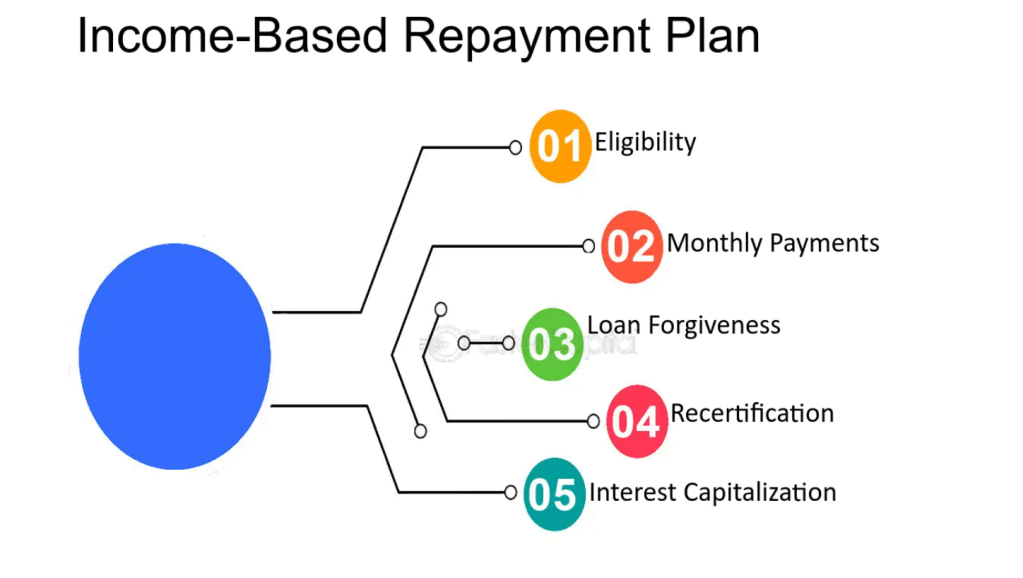
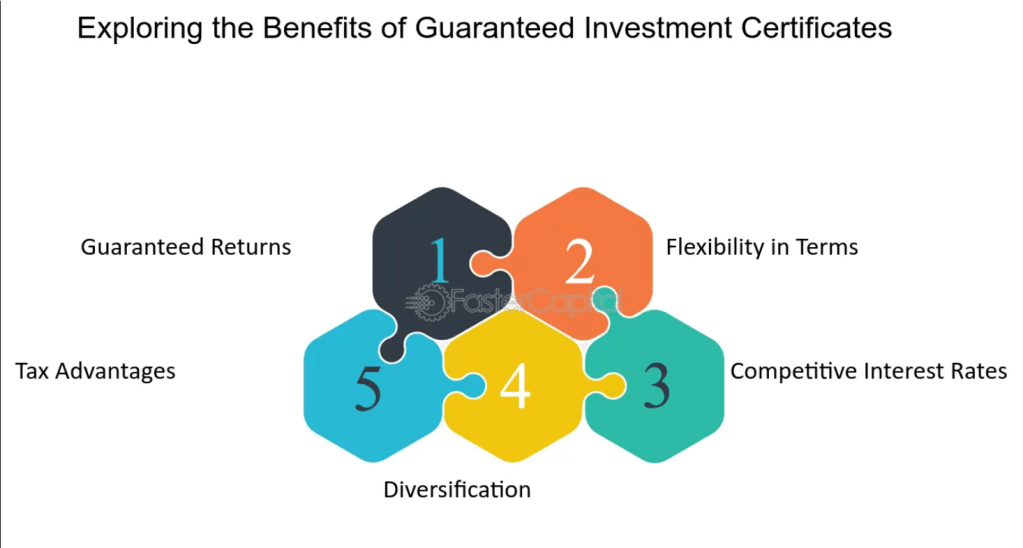
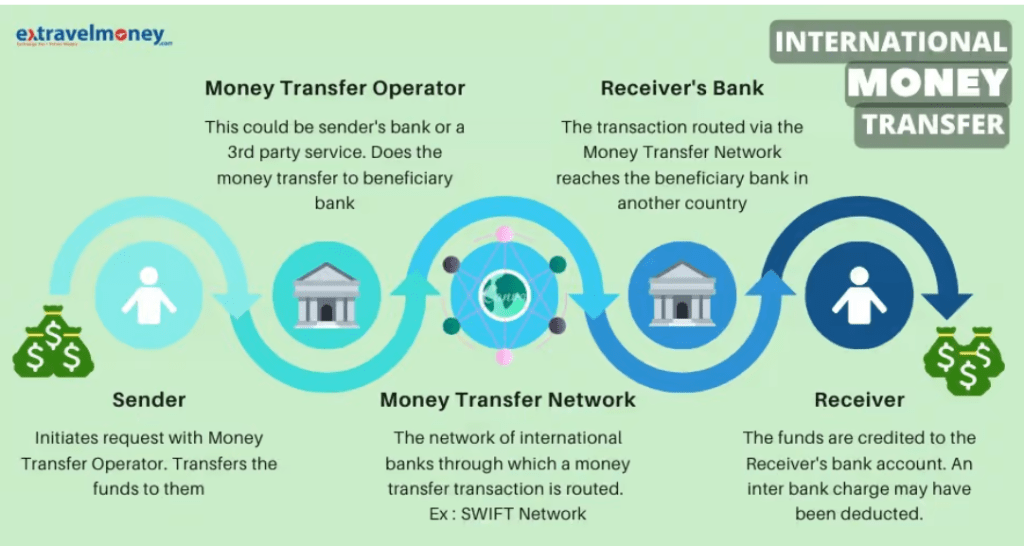
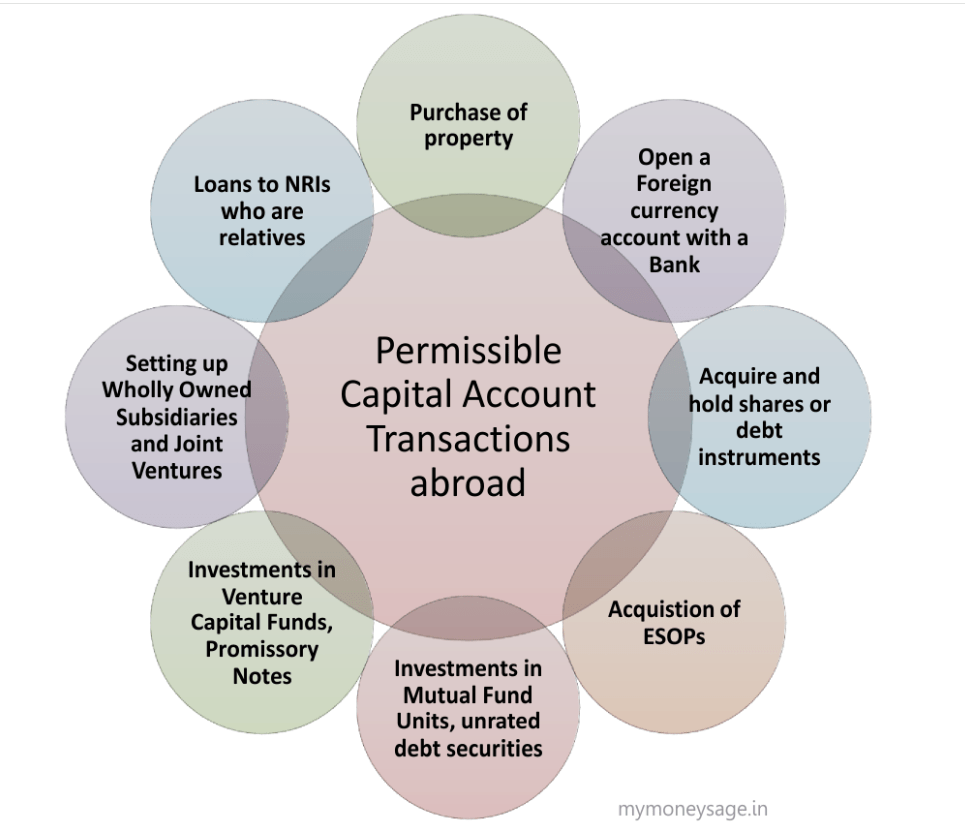
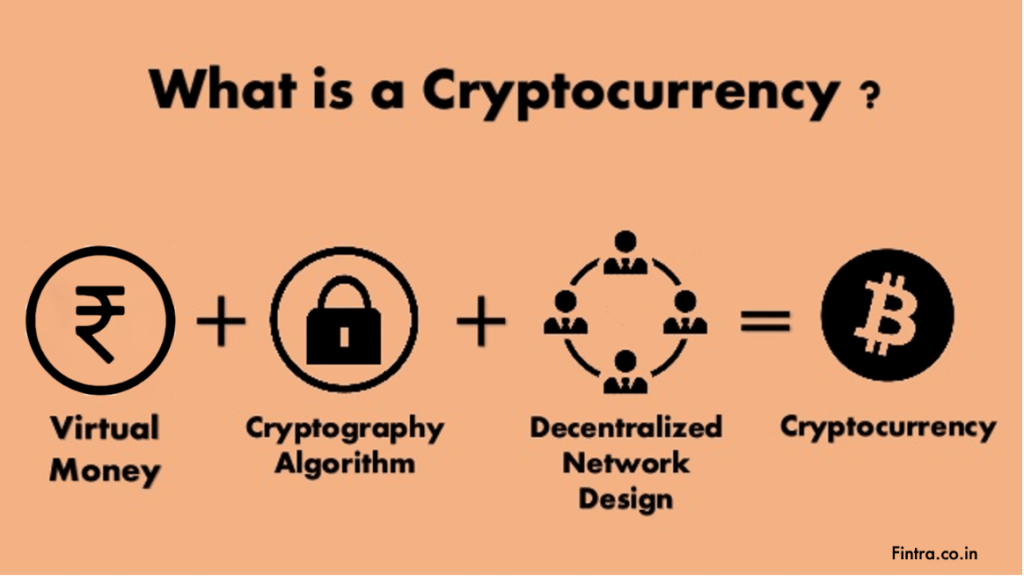


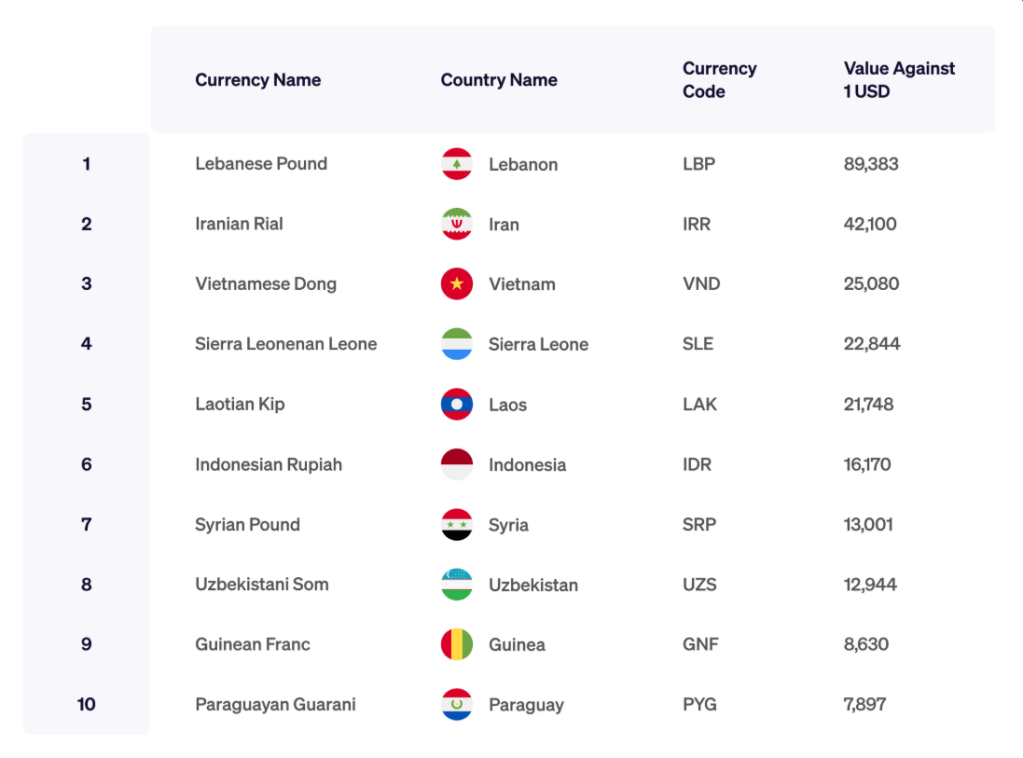

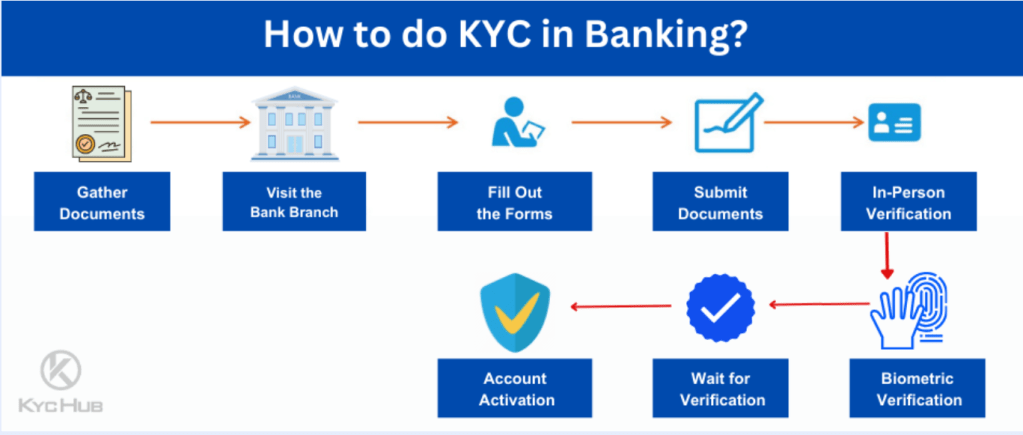
 Site Title