Have you ever wondered why the exchange rate you checked this morning is different from the one you are looking at now? You aren’t alone. Exchange rates change as frequently as every several seconds, though most people don’t realize this.
Understanding how often exchange rates change and what causes these fluctuations can save you a lot of money and help you make smarter financial decisions. Let’s start by defining currency exchange rates and then delve into what drives rate fluctuations.
What are Exchange Rates and Their Importance?
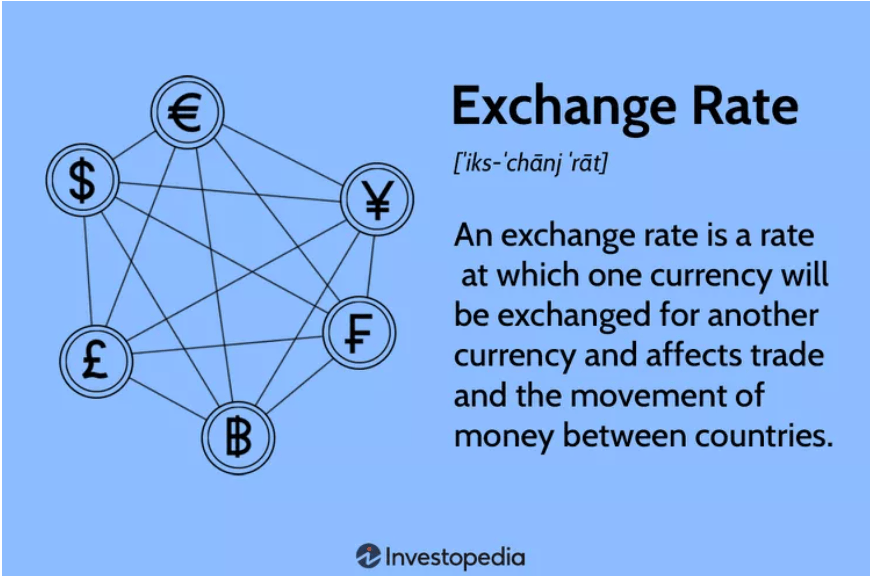
In its simplest terms, a currency exchange rate is the price of one currency against another currency. When you see EUR/USD at 1.0850, it means one Euro is equivalent to $1.0850.
These rates are way more than arbitrary digits – they directly impact your finances. Whether you’re sending money overseas to friends and family or using your credit card to transfer money abroad, these rates will dictate how much you’ll send or receive.
Types of Exchange Rate Systems
Today, most major currencies operate under a floating exchange rate system, where rates are determined by market supply and demand. However, some countries still maintain fixed or pegged rates for stability.
| Currency System | Examples | Rate Change Frequency |
|---|---|---|
| Floating | USD, EUR, GBP, JPY | Every couple of seconds |
| Fixed/Pegged | Chinese Yuan (managed), UAE Dirham | Seldom (only during scheduled revisions) |
| Currency Board | Hong Kong Dollar | Restricted movement within a tight range |
How Frequently Do Exchange Rates Change: The Truth
What many people don’t realize is that major currency exchange rates change every couple of seconds during active trading hours. I’m not being dramatic – exchange rates are constantly updated due to millions of transactions in today’s digital world.
However, the frequency depends on several factors:
During Active Market Hours
- Every 1-5 seconds for major pairs like EUR/USD, GBP/USD
- Every 5-15 seconds for less liquid pairs
- Microsecond-level changes on institutional trading platforms
During Quiet Periods
- Every few minutes during low-volume Asian sessions
- Hourly or less on weekends (limited to Middle East markets)
- Minimal activity during major holidays
Real-time exchange rate tracking becomes most essential during periods of extreme turbulence. For example, during the 2020 pandemic onset, EUR/USD would change its third decimal point every couple of seconds for weeks on end.
Understanding Exchange Rate Fluctuation Factors
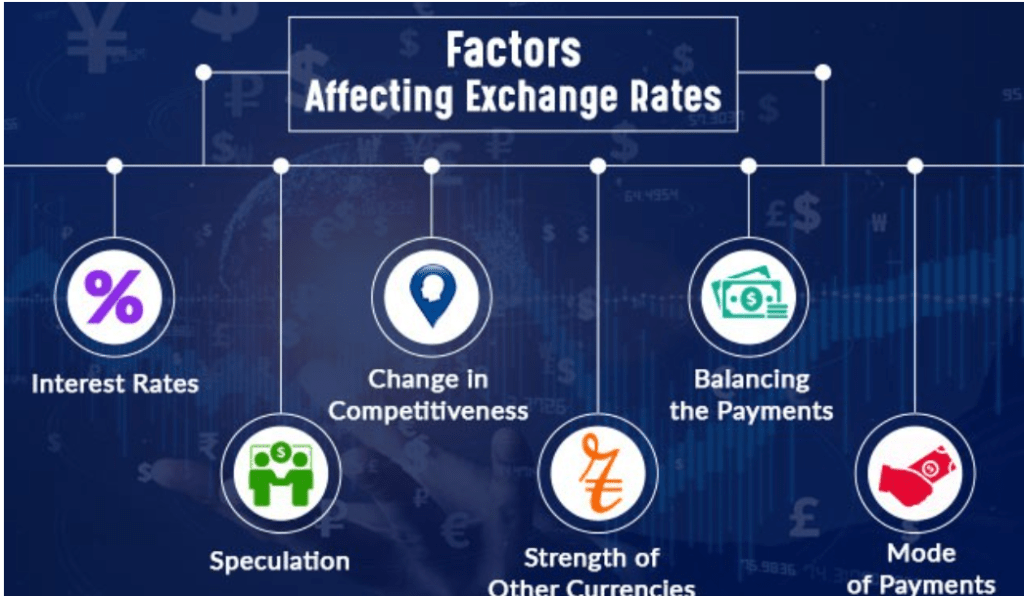
Why exchange rates change daily comes down to supply and demand, but the factors influencing demand are complex and multifaceted. Here are the major drivers:
Economic Indicators That Move Markets
Interest rate decisions create some of the most significant market movements. When major central banks announce rate changes, I’ve observed USD pairs move 100+ pips within minutes. Key triggers include:
- Employment data releases (especially US Non-Farm Payrolls)
- Inflation reports (Consumer Price Index, Producer Price Index)
- GDP forecasts and revisions
- Trade balance figures
- Central bank meeting minutes
Political and Geopolitical Events
Political uncertainty creates market volatility like nothing else. During Brexit negotiations, GBP/USD became extremely volatile, changing 200-300 pips daily. Economic events affecting rates include:
- National elections and government policy changes
- Trade war announcements
- International sanctions
- Natural disasters in major economies
- Military tensions or conflicts
Market Sentiment and Speculation
Sometimes currencies move simply because traders think they should move. This psychological aspect makes predicting exchange rate trends challenging, even for seasoned professionals.
The 24/7 Nature of Currency Markets
Unlike stock markets, forex markets never truly close. They operate 24 hours a day, with one financial center winding down as another opens. Here’s how the global day unfolds:
Market Session Overlap Times
- Asian Session: 11 PM – 8 AM EST (moderate volatility)
- European Session: 2 AM – 11 AM EST (high volatility)
- North American Session: 8 AM – 5 PM EST (highest volatility)
- Overlap Periods: Maximum volatility when sessions overlap
I’ve observed the highest concentration of rate changes during the London-New York overlap (8 AM – 12 PM EST). Major pairs frequently show live exchange rate updates every few seconds during this 4-hour window.
Technology’s Impact on Exchange Rate Change Frequency
Modern technology has dramatically increased how often exchange rates change. High-frequency trading (HFT) algorithms can execute thousands of trades per second, creating constant micro-fluctuations.
Algorithmic Trading Effects
- Microsecond decision-making by computer programs
- News-based automated trading reacting to headlines instantly
- Arbitrage opportunities are eliminated within seconds
- Flash crashes and rapid recoveries
I recall the January 2015 “Swiss Franc Shock,” where EUR/CHF fell 30% in minutes due to algorithmic selling. This perfectly showcases how dramatically rates can change in our digital age.
Comparing Exchange Rate Changes Across Currency Pairs
Not all currency pairs exhibit the same volatility patterns. Based on my observations, here’s a detailed comparison:
Major Currency Pairs Daily Volatility
| Currency Pair | Average Daily Range (Pips) | Peak Activity Hours | Typical Changes/Hour |
|---|---|---|---|
| EUR/USD | 60-80 | London-NY Overlap | 20-30 |
| GBP/USD | 100-140 | UK Data Releases | 25-40 |
| USD/JPY | 70-90 | Asian-European Transition | 15-25 |
| AUD/USD | 80-120 | Australian Data/China News | 20-35 |
| USD/CAD | 65-95 | Oil Price Movements | 18-28 |
Exotic Currency Characteristics
Exotic currencies (from emerging markets) change less frequently but often more dramatically:
- Higher bid-ask spreads
- Lower liquidity results in larger price jumps
- More sensitive to local political events
Weekend gaps are more common due to thin trading
When Is the Best Time to Exchange Currency?
After tracking patterns for years, I’ve identified several optimal timing strategies:
For Travelers and Personal Use
Avoid these times:
- Friday afternoons (weekend premium kicks in)
- Major holiday periods (reduced liquidity)
- During major economic announcements (increased volatility)
Consider these windows:
- Mid-week (Tuesday-Thursday) often shows more stable rates
- Early mornings in your time zone (before major news)
- Outside overlap periods for less volatility
The 30-Day Rule
Based on statistical analysis, I recommend the 30-day averaging approach. Rather than trying to time the perfect moment, monitor rates for 30 days and exchange when rates fall within the favorable 25% of that range.
Tools and Strategies for Tracking Rate Changes
Essential Apps and Platforms
- XE Currency for basic rate monitoring
- OANDA for professional-grade charts
- Bank mobile apps for real-time notifications
- Google Finance for quick verifications
Setting Up Effective Alerts
I always recommend setting rate alerts at multiple levels:
- Target rate (your ideal exchange level)
- Warning level (when rates move against you significantly)
- Stop-loss equivalent (maximum acceptable loss threshold)
Real-World Impact of Frequent Rate Changes
For International Money Transfers
When you transfer money abroad, timing can save significant amounts. I’ve calculated that a 1% rate difference on a $10,000 transfer equals $100 – enough to cover transfer fees entirely.
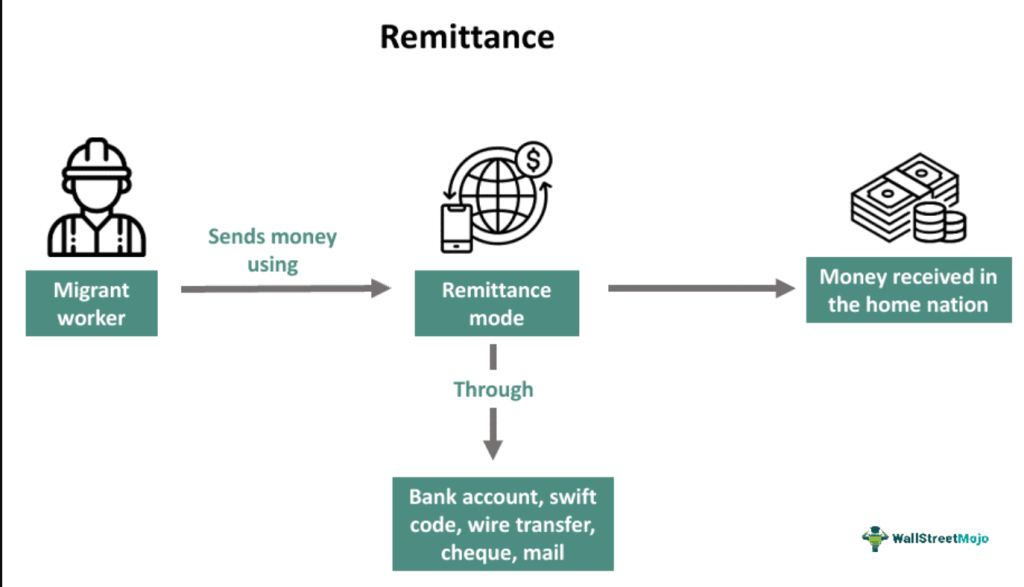
Case Study: Sarah’s Remittance Strategy Sarah sends $500 monthly to her family in the Philippines. By monitoring USD/PHP rates and timing her transfers during favorable periods, she saves approximately $200 annually compared to random timing.
For Credit Card Users Abroad
Your credit card to money transfer rates typically update daily, but they’re based on wholesale rates from 1-2 days prior. Understanding this lag can help you:
- Time large purchases during favorable rate periods
- Avoid unnecessary foreign transaction fees
- Choose between cash and card based on current spreads
Common Myths About Exchange Rate Changes
Myth 1: “Rates only change during business hours.” Reality: Currency markets operate 24/7, with rates changing constantly.
Myth 2: “Banks control exchange rates.” Reality: Banks are price-takers in the global forex market, not price-setters.
Myth 3: “Weekend rates never move.” Reality: While less frequent, rates can change due to Middle Eastern markets and news events.
Managing Currency Risk in a Fast-Changing World
For Regular International Transfers
If you regularly send money overseas, consider these strategies:
- Dollar-cost averaging: Spread transfers across multiple dates
- Forward contracts: Lock in rates for future transfers (available through some services)
- Rate alerts: Never miss favorable exchange windows
For Travelers
- Multi-currency cards can help you load money at favorable rates
- Local ATM strategy: Sometimes better than pre-exchanging cash
- Small, frequent exchanges: Better than one large exchange in volatile periods
The Future of Exchange Rate Frequency
Looking ahead, several trends will likely increase the rate of change frequency:
Central Bank Digital Currencies (CBDCs)
As countries develop digital versions of their currencies, we might see:
- Instant settlement reduces lag times
- More transparent rate determination
- Reduced intermediary markups
Artificial Intelligence Integration
AI-driven trading will likely:
- Increase micro-volatility as algorithms react faster
- Reduce major price gaps through better arbitrage
- Create new patterns in rate behavior
Conclusion
Understanding how often exchange rates change empowers you to make better financial decisions. Whether you’re sending money home, planning a trip abroad, or just staying informed, remember that currency markets move constantly – but with the right knowledge and tools, you can navigate these changes to your advantage.
The key isn’t trying to predict every movement, but rather understanding the patterns and having strategies ready when opportunities arise. Keep monitoring, stay informed, and most importantly, don’t let the complexity intimidate you from making smart currency decisions.
Frequently Asked Questions
How frequently do exchange rates change?
Exchange rates for major currency pairs change every few seconds during active trading hours. During peak periods like the London-New York overlap (8 AM – 12 PM EST), rates can update multiple times per minute. However, during quiet periods or weekends, changes might occur only every few minutes or hours.
What factors influence daily exchange rate shifts?
Daily exchange rate movements are primarily driven by economic data releases, central bank announcements, political events, market sentiment, and trading volume. Interest rate decisions, employment reports, inflation data, and geopolitical developments often cause the most significant daily shifts.
Can I lock in an exchange rate?
Yes, you can lock in exchange rates through several methods. Many money transfer services offer rate locks for 24-72 hours. For larger amounts or regular transfers, forward contracts allow you to secure rates for weeks or months ahead. Some travel cards also let you pre-load currencies at current rates.
Who sets the official exchange rates?
No single entity “sets” exchange rates for major currencies. Rates are determined by supply and demand in the global forex market, where banks, corporations, governments, and individual traders participate. Central banks can influence rates through monetary policy, but they don’t directly set them.
Are exchange rate changes predictable?
While certain patterns exist (like increased volatility during economic announcements), precise exchange rate movements are largely unpredictable. Professional traders use technical and fundamental analysis to identify trends, but even experts cannot consistently predict short-term rate changes with high accuracy.
Why do currency exchange rates fluctuate so much during certain hours?
Exchange rates fluctuate most during market session overlaps, particularly the London-New York overlap (8 AM – 12 PM EST). This happens because more traders are active simultaneously, creating higher trading volume and more frequent price updates. Economic news releases during these hours amplify the volatility.
How can I get the best exchange rate for my international transfer?
To get better exchange rates, compare multiple providers, avoid currency exchange at airports or hotels, use specialized money transfer services instead of traditional banks, time your transfers during favorable rate periods, and consider using rate alert services to notify you of optimal exchange windows.






 Site Title